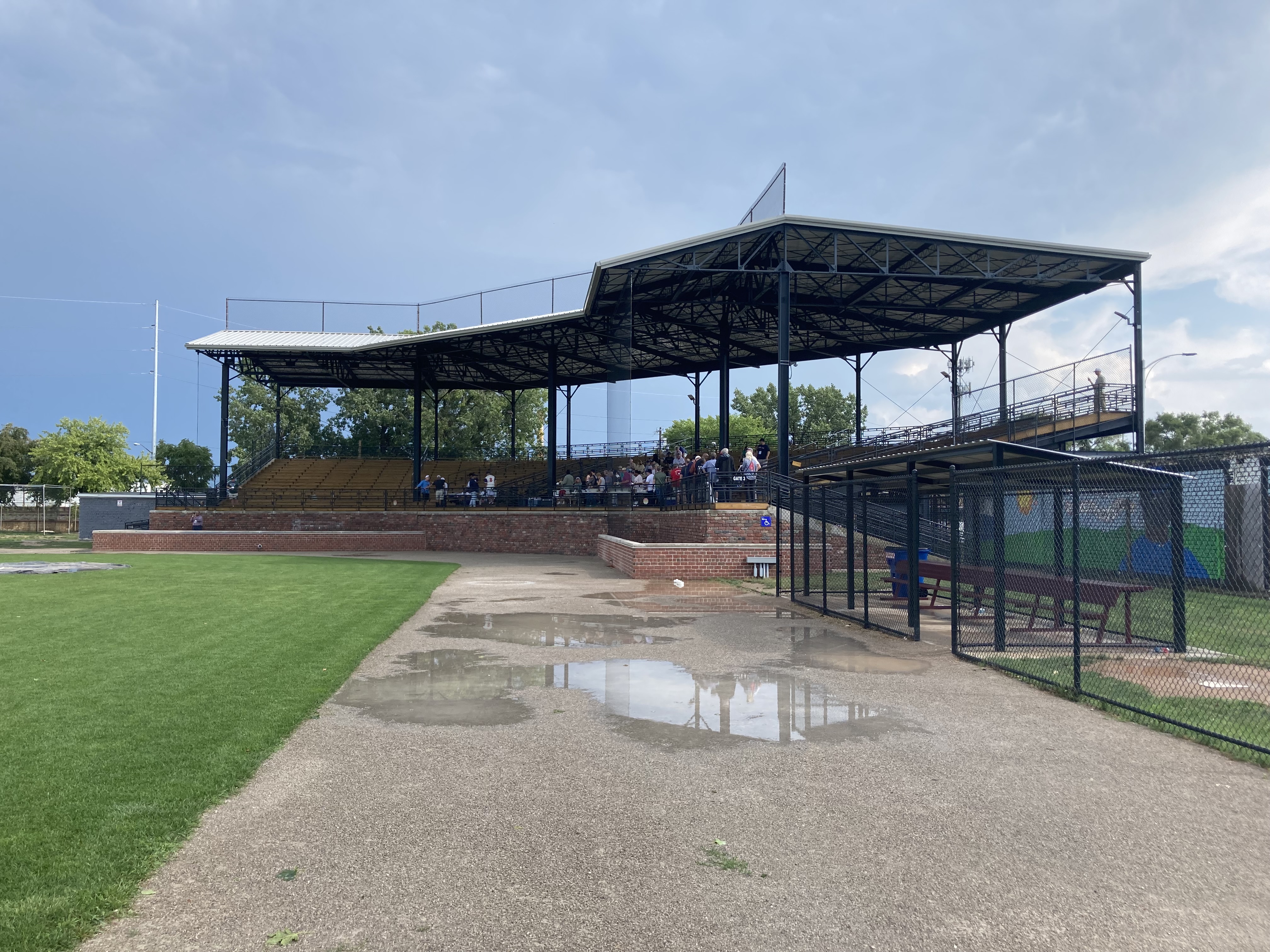
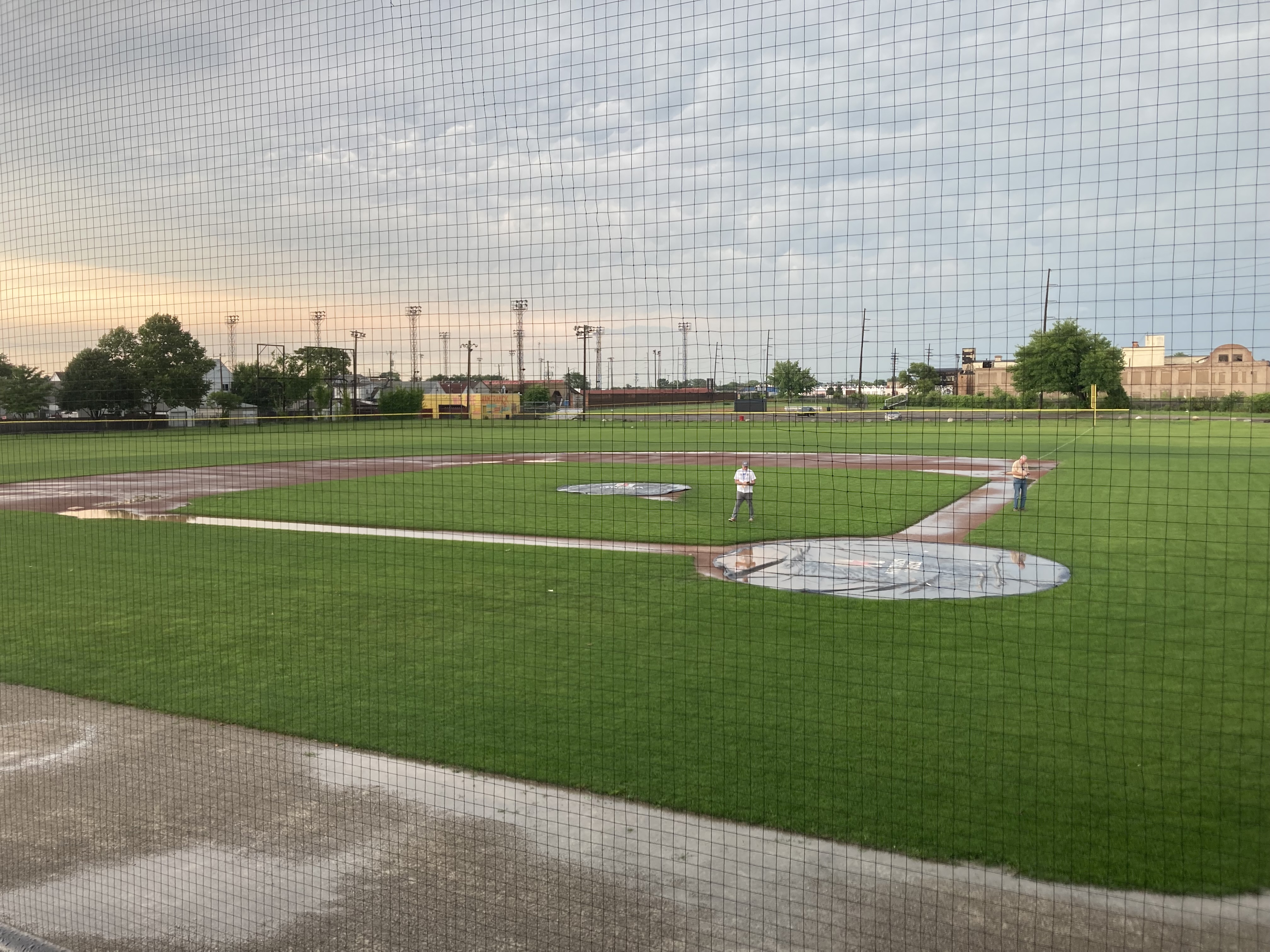
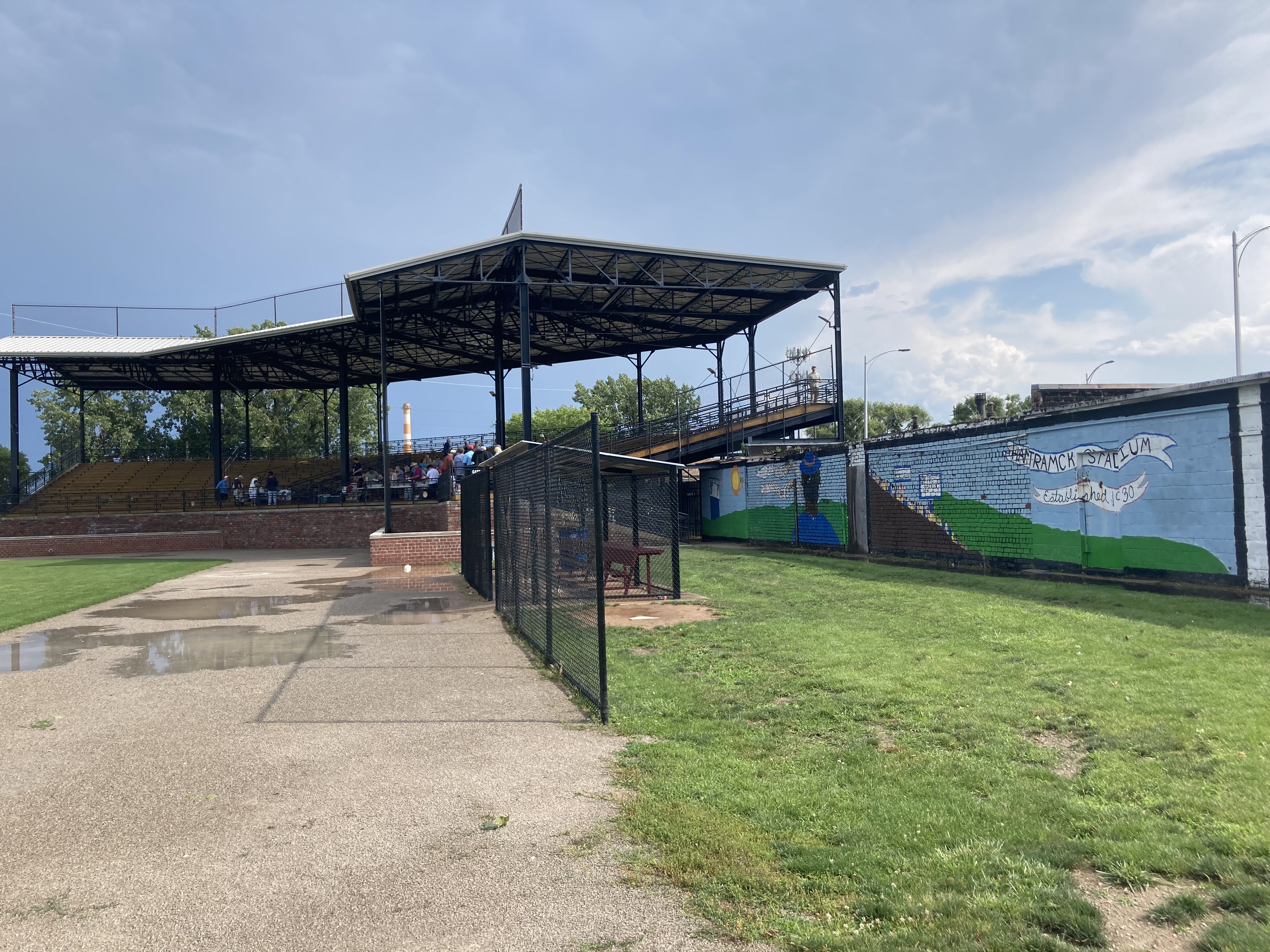
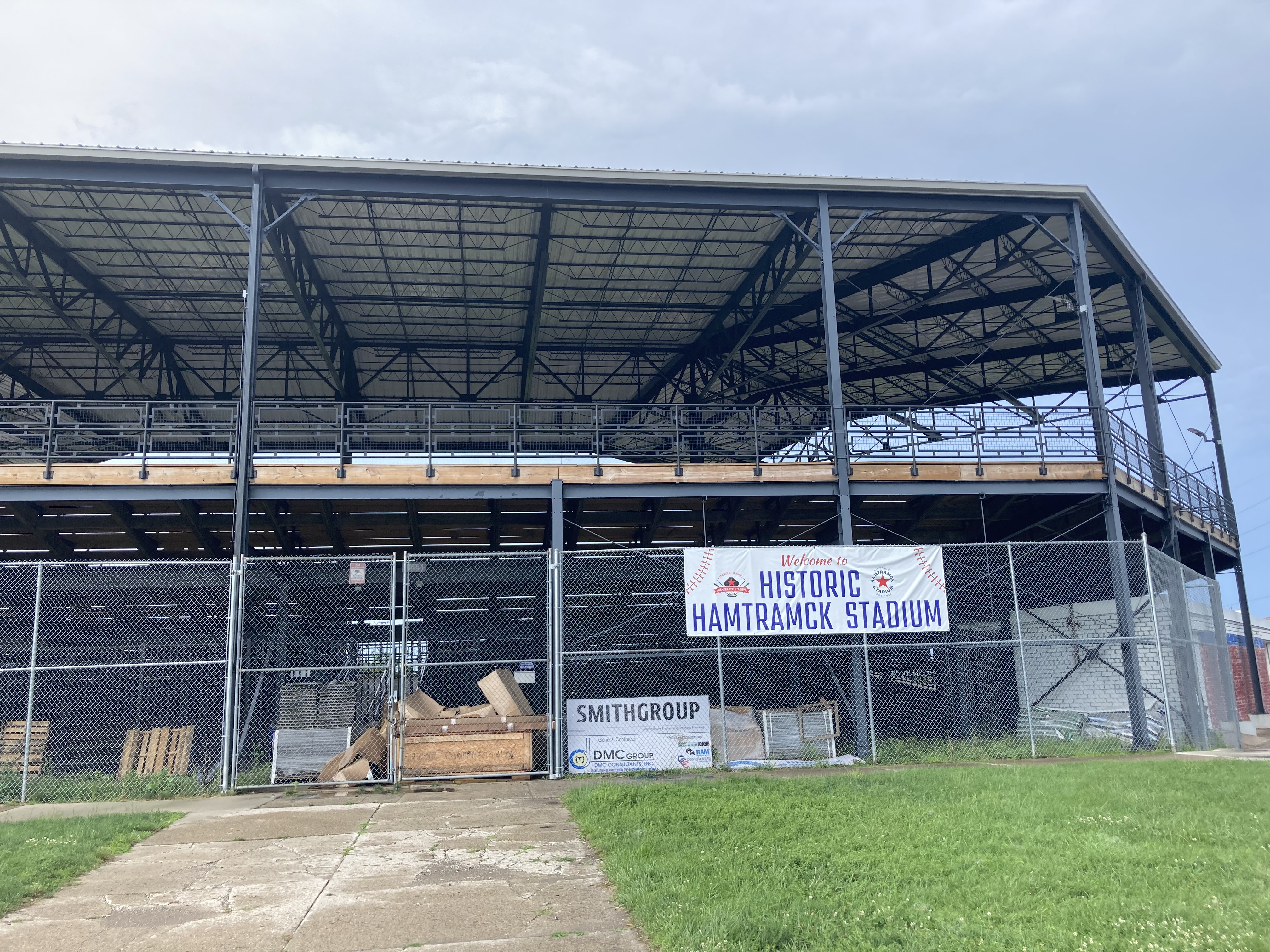
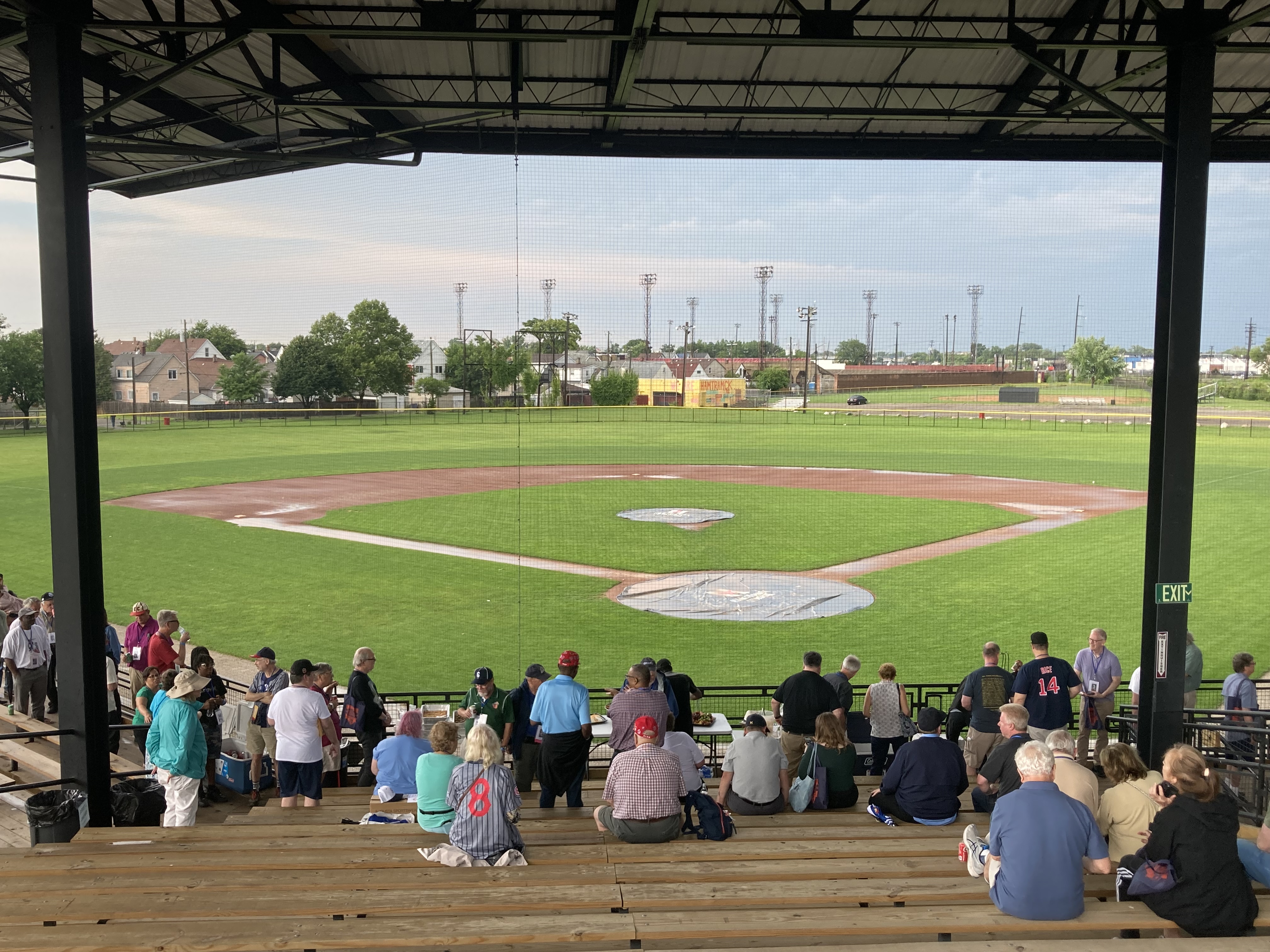
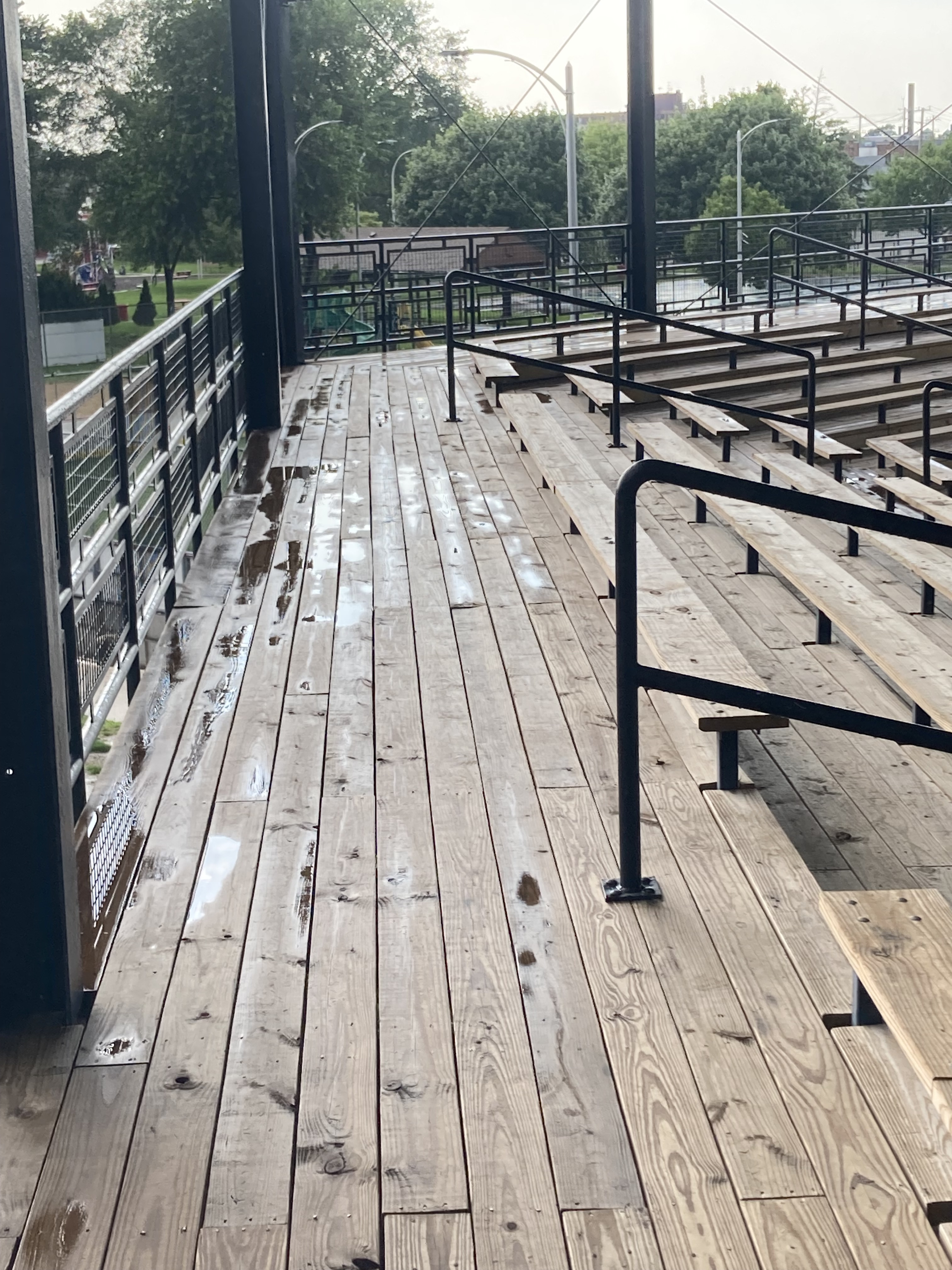
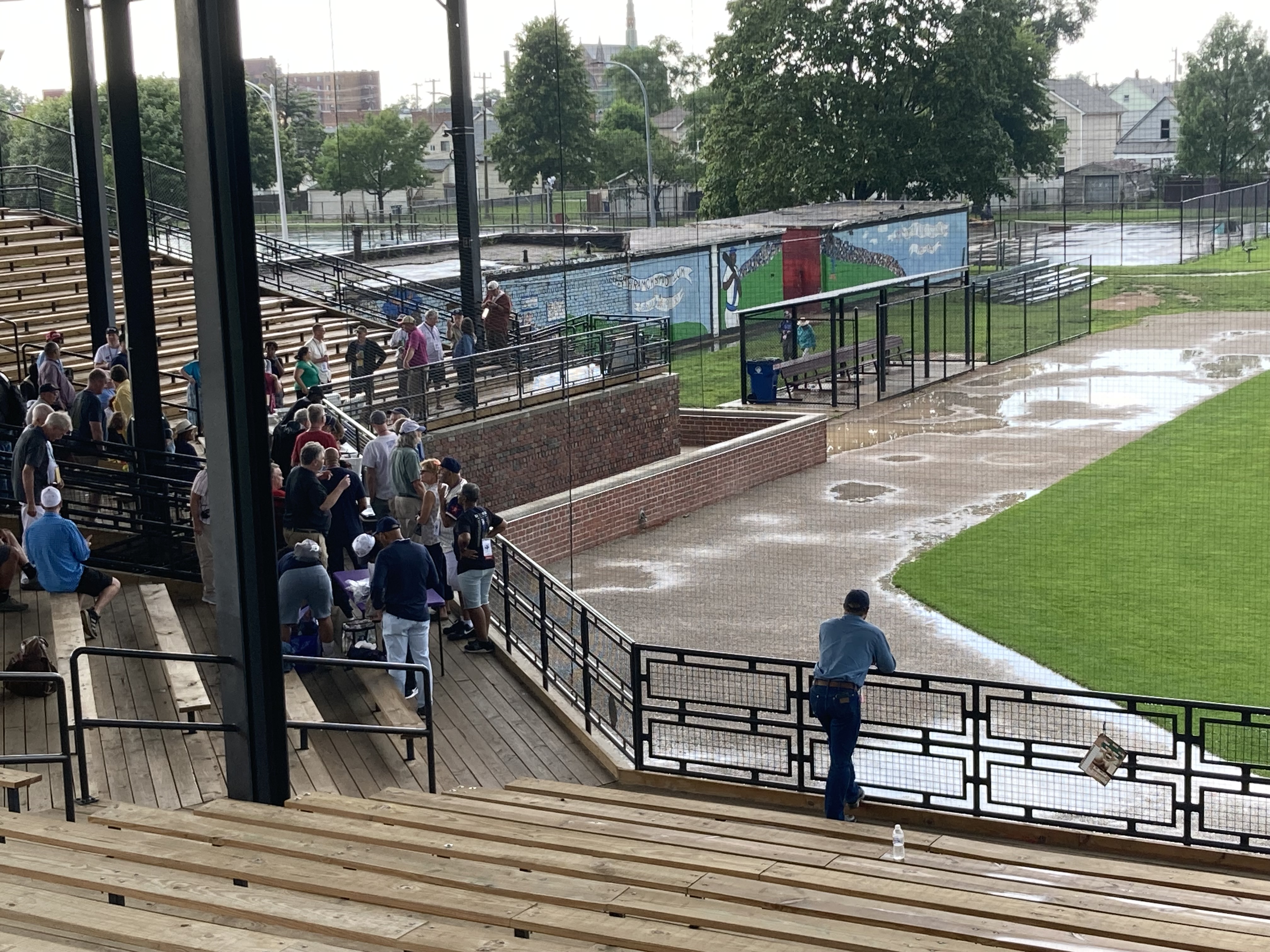
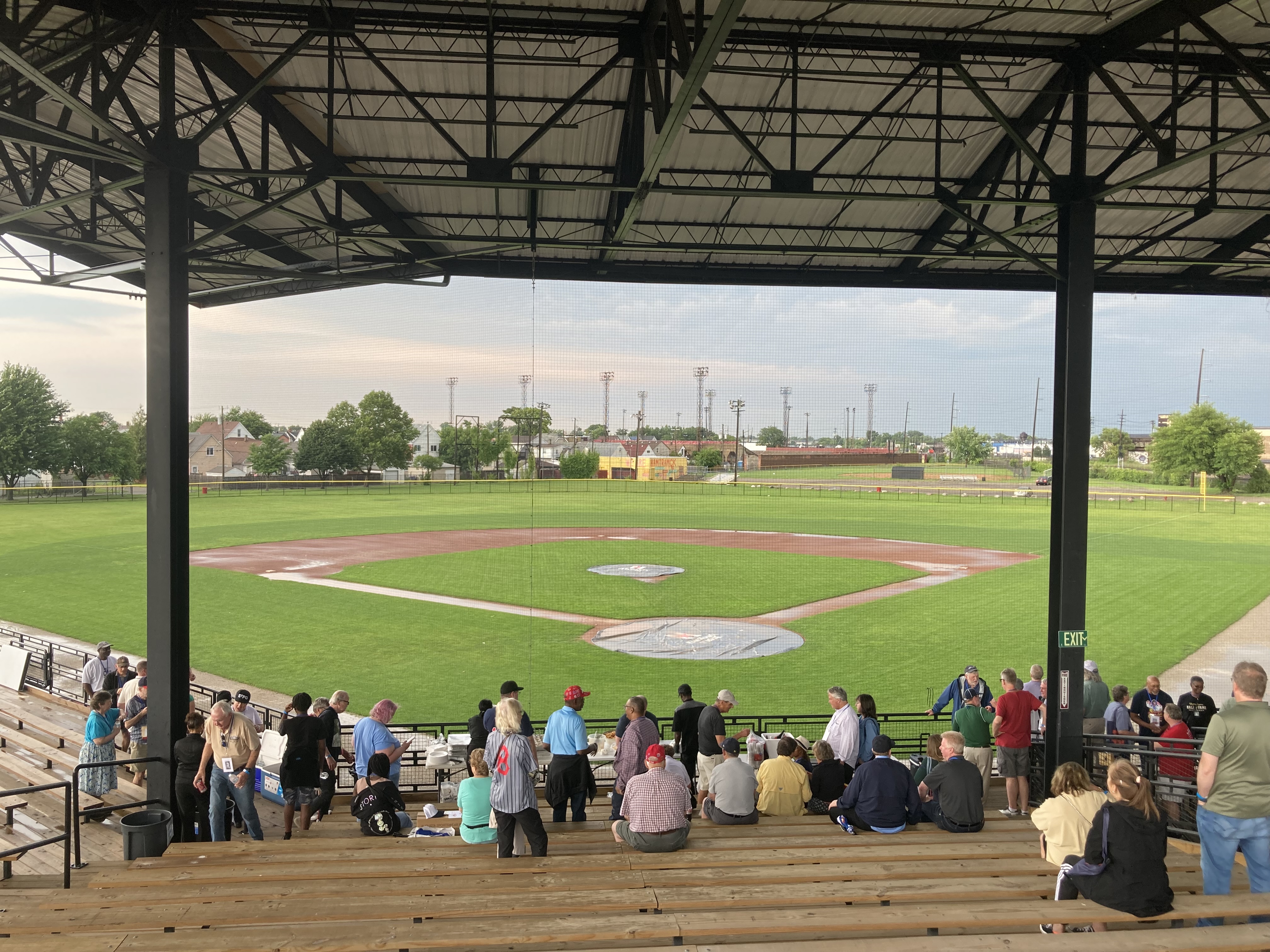
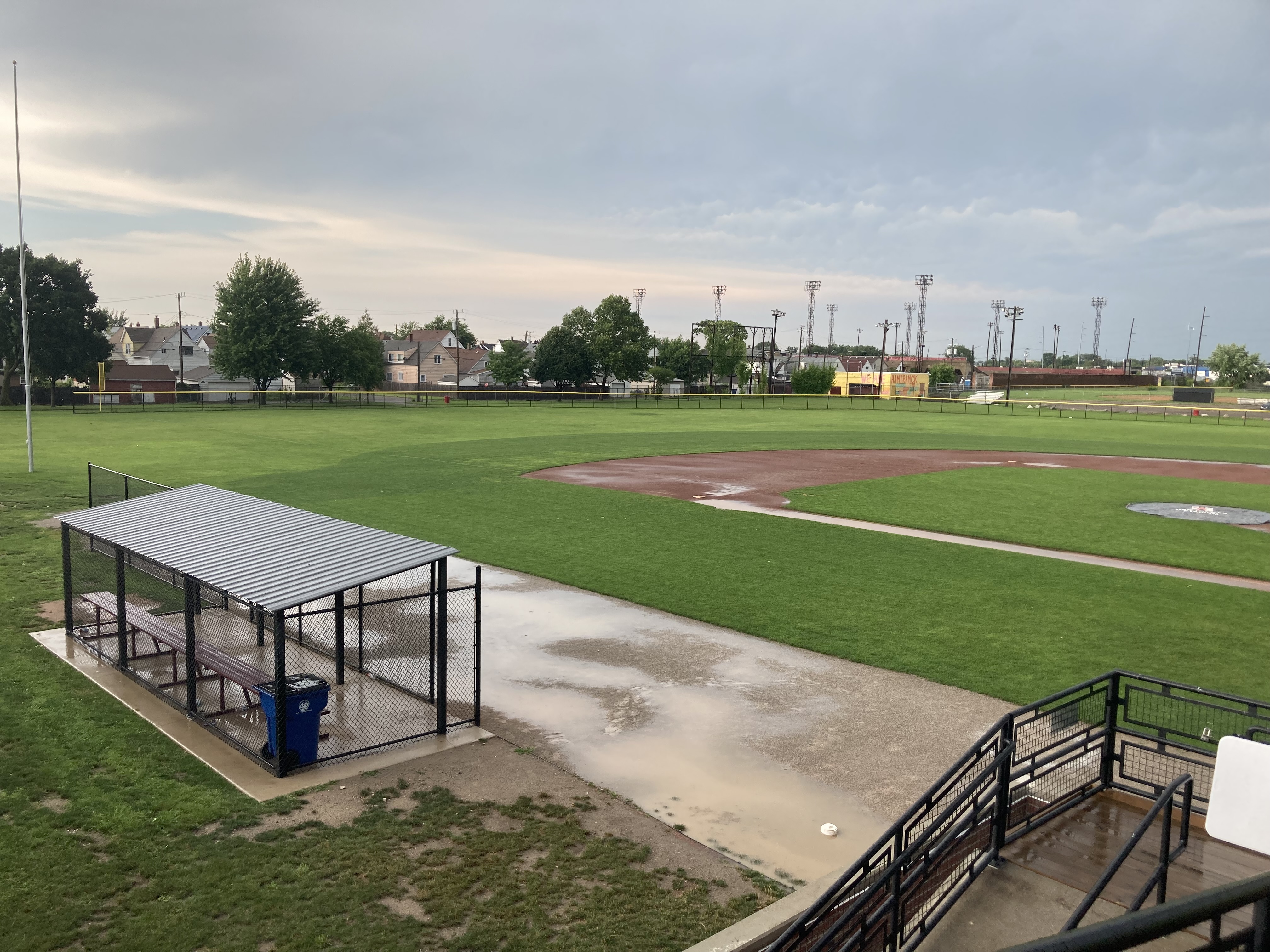
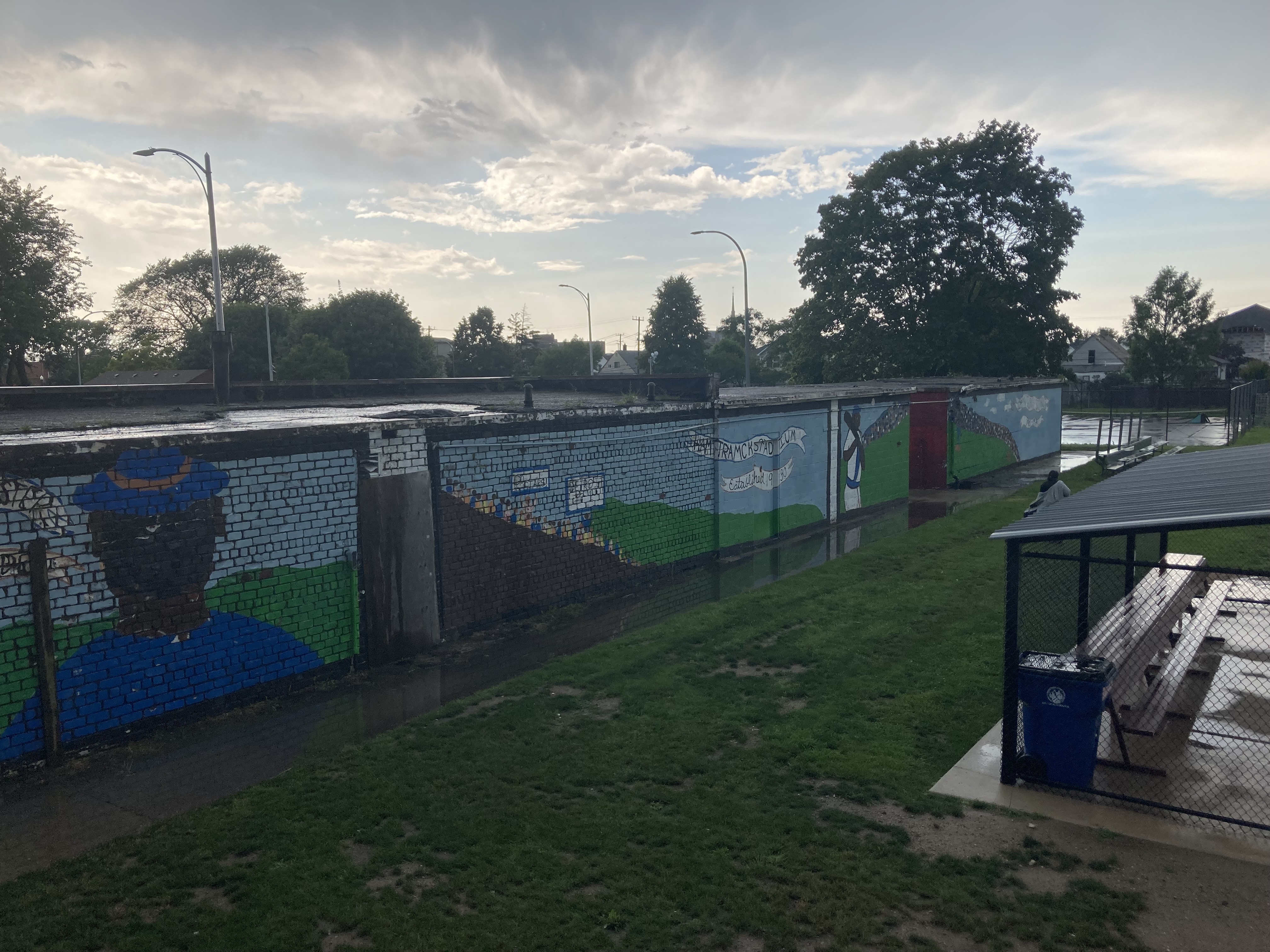
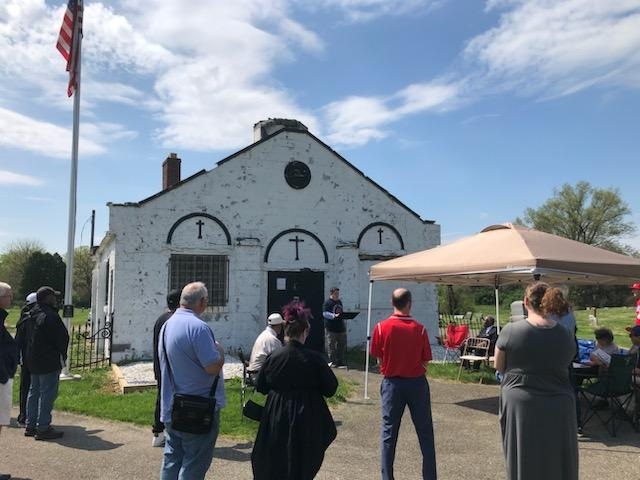
Here’s a bunch of pics from the 2023 SABR Jerry Malloy Negro Leagues Conference a couple weeks ago in Detroit. The first set are from the opening reception at historic Hamtramck Stadium. (For info and background about Hamtramck and its incredible preservation and revival, check out this, this and this.)
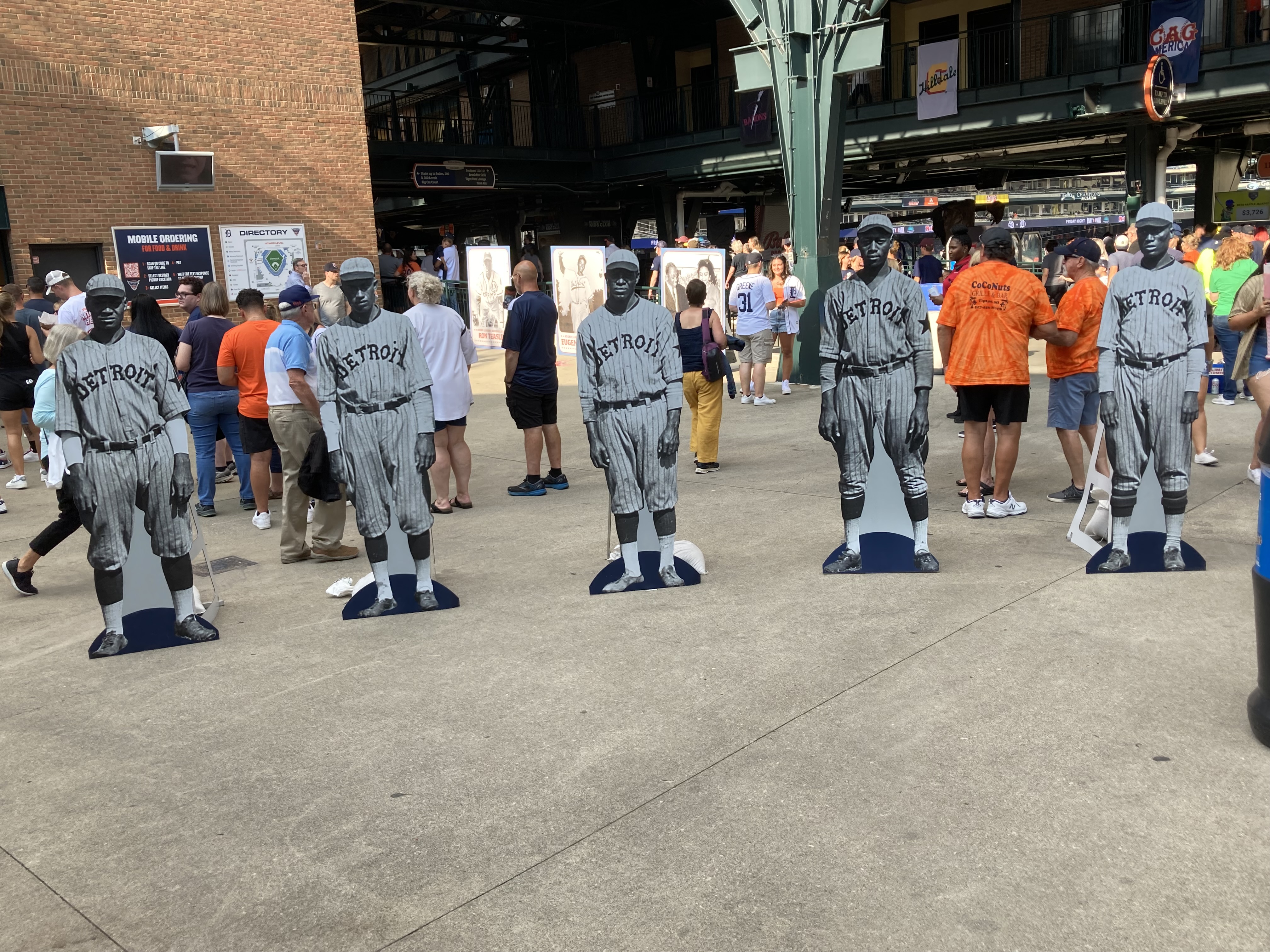
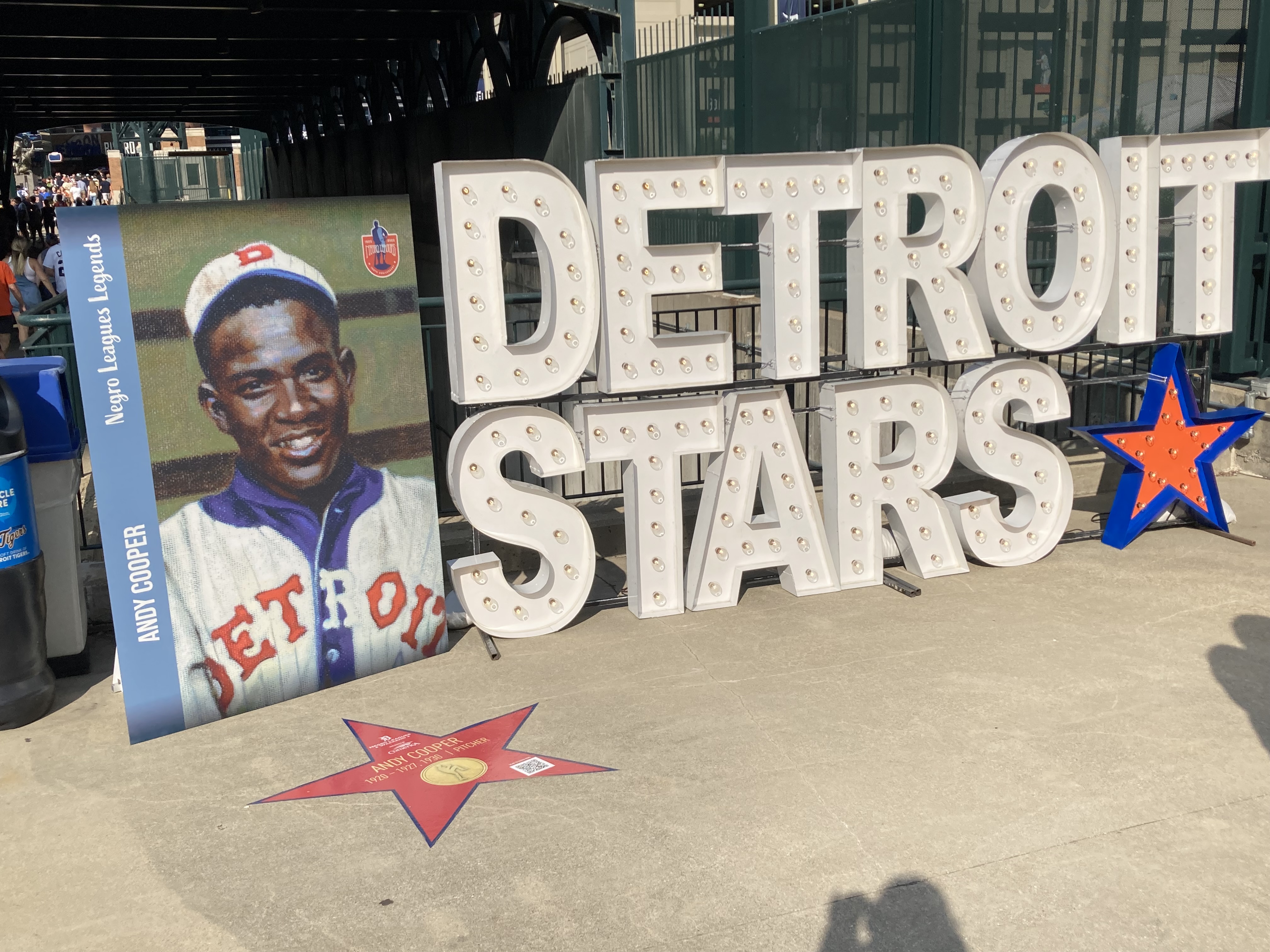
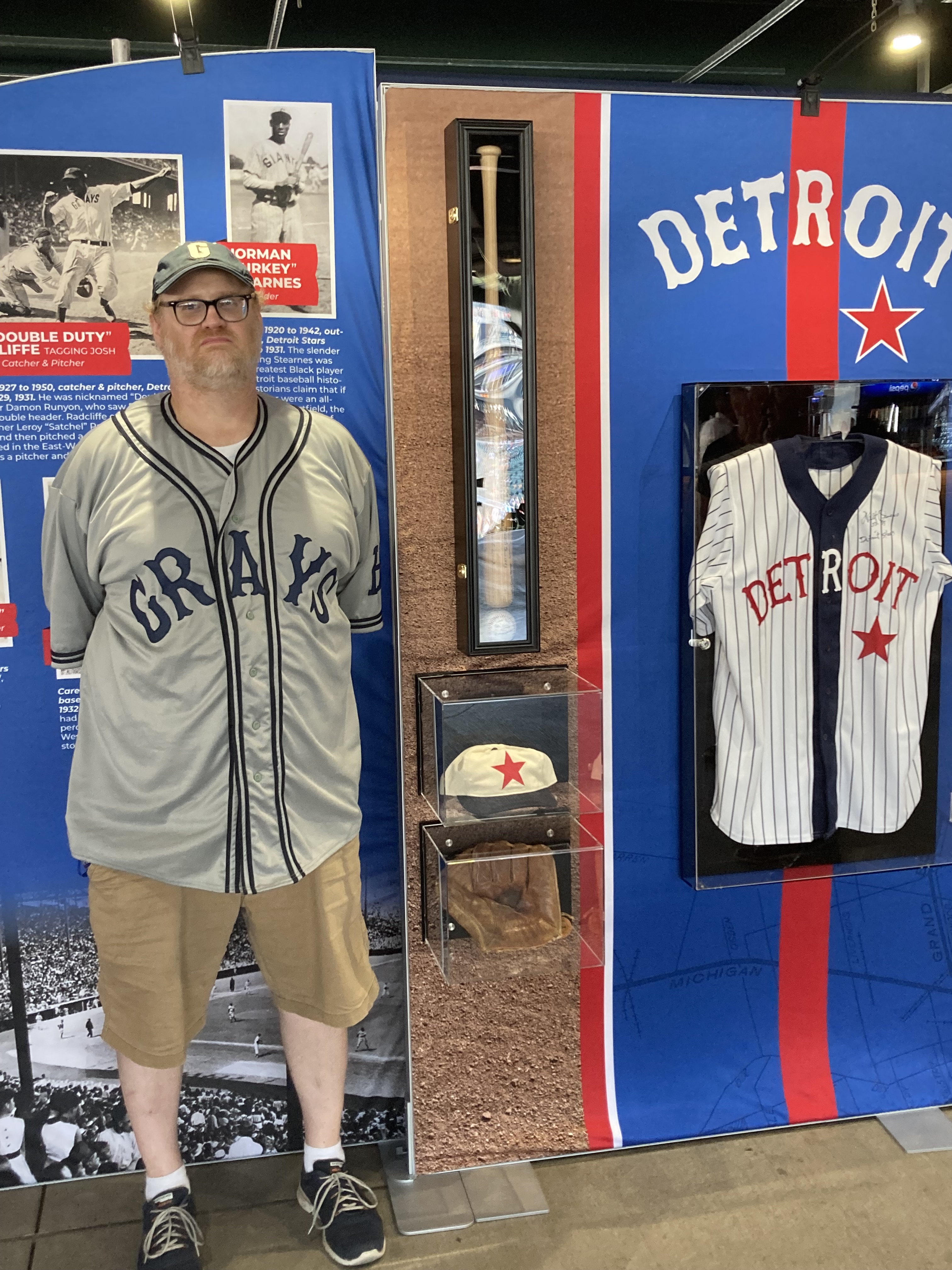
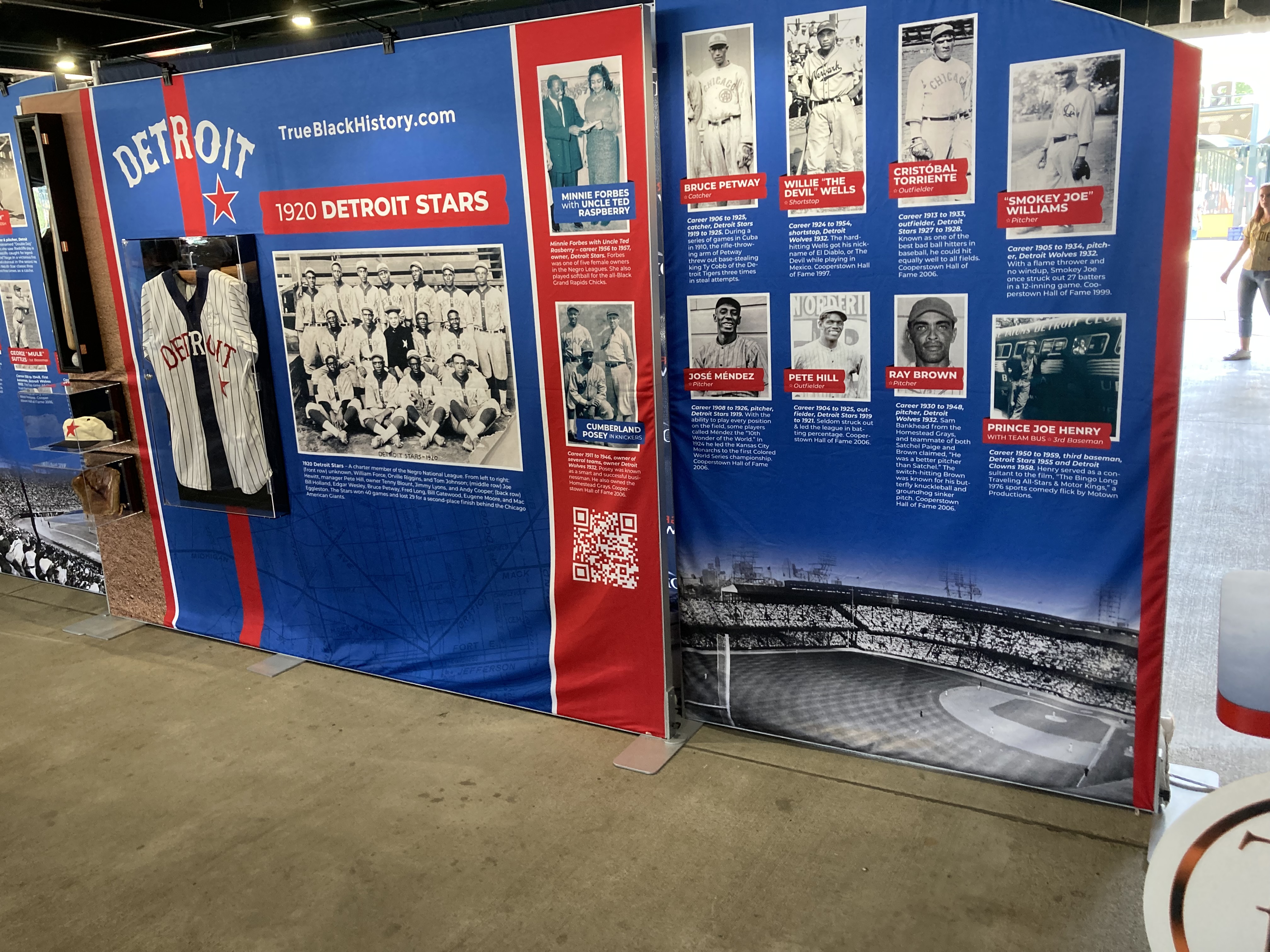
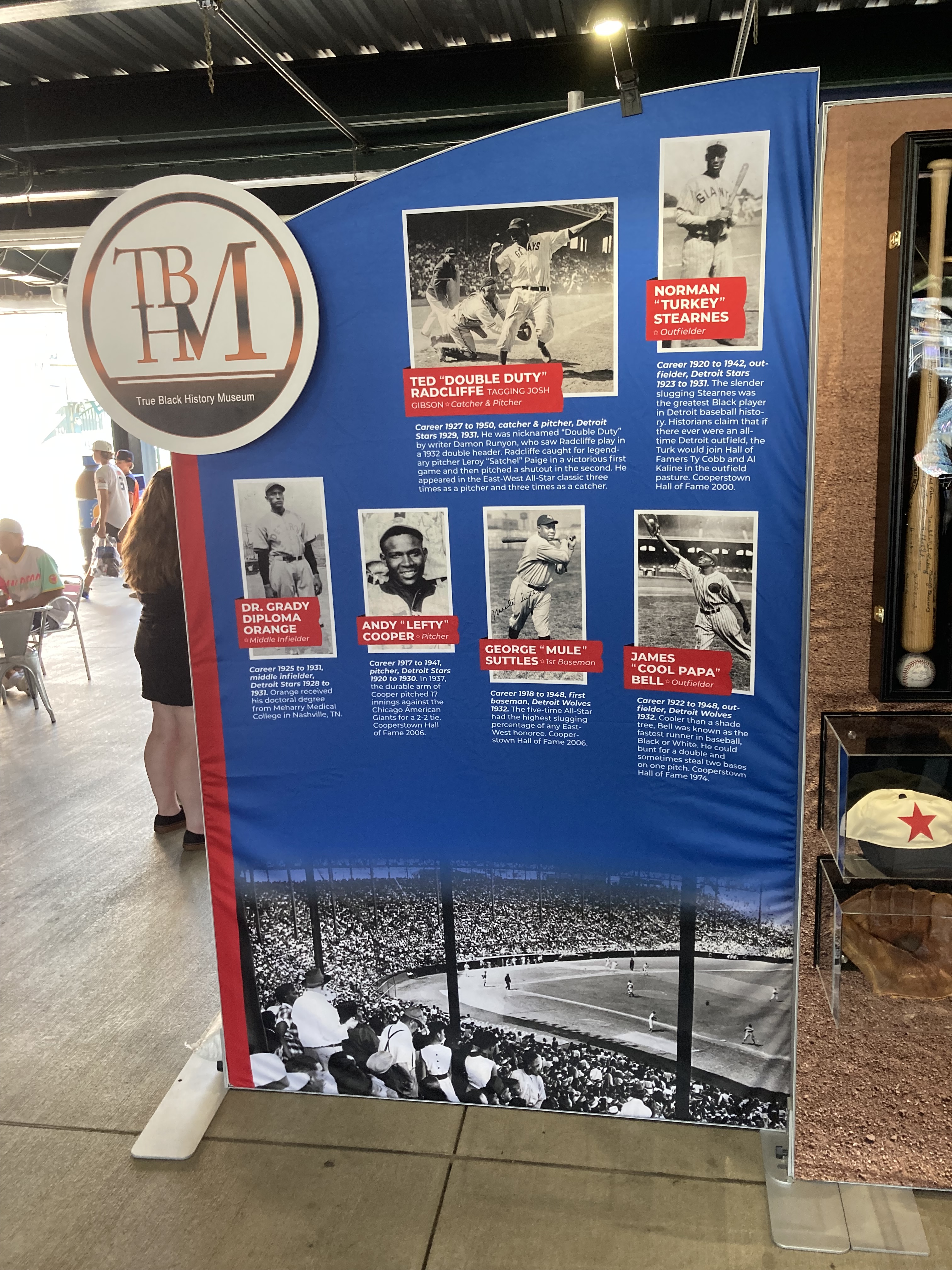
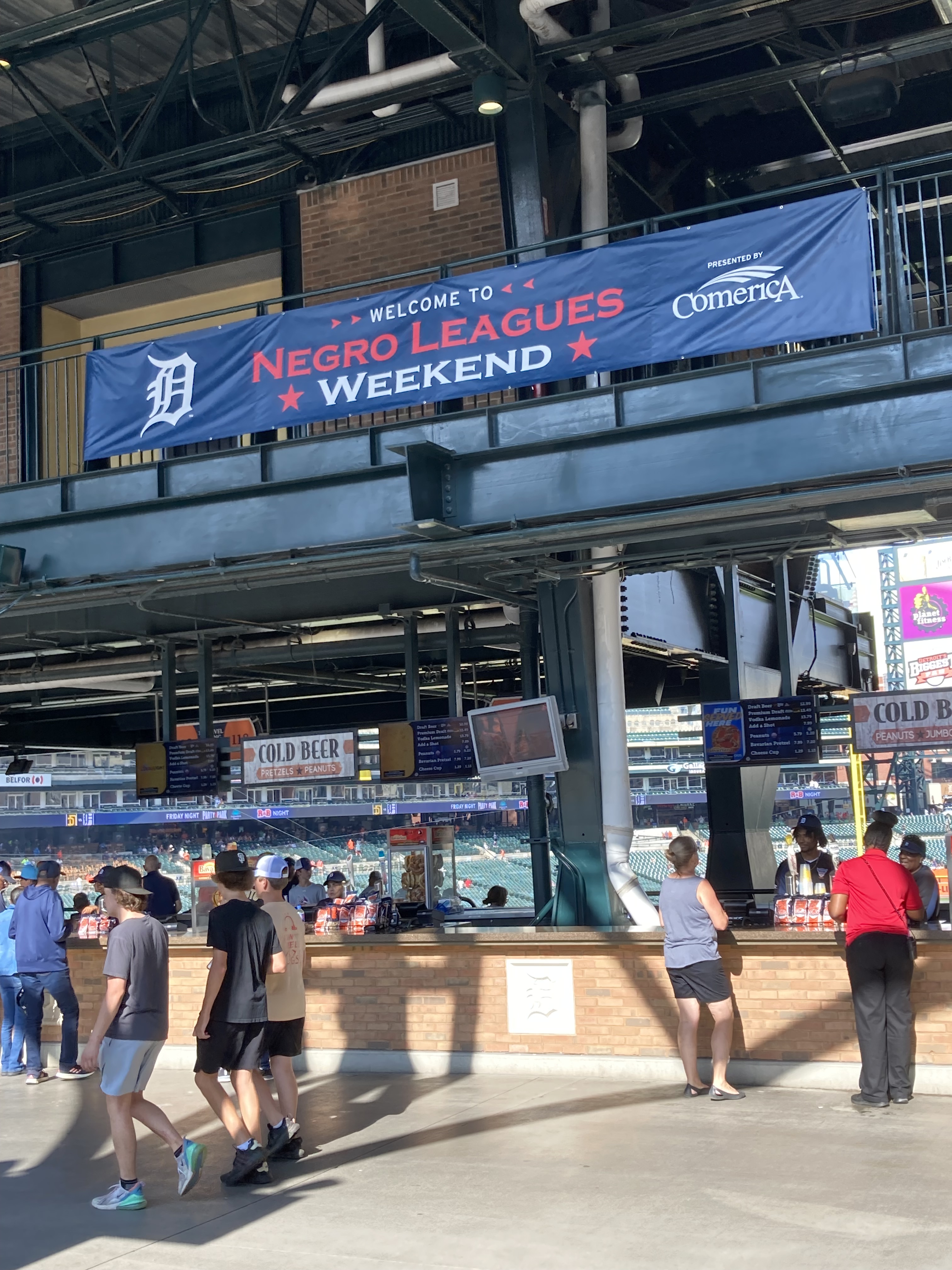
This second group is from the July 21 Detroit Tigers game, at which the team celebrated its annual Negro Leagues day.
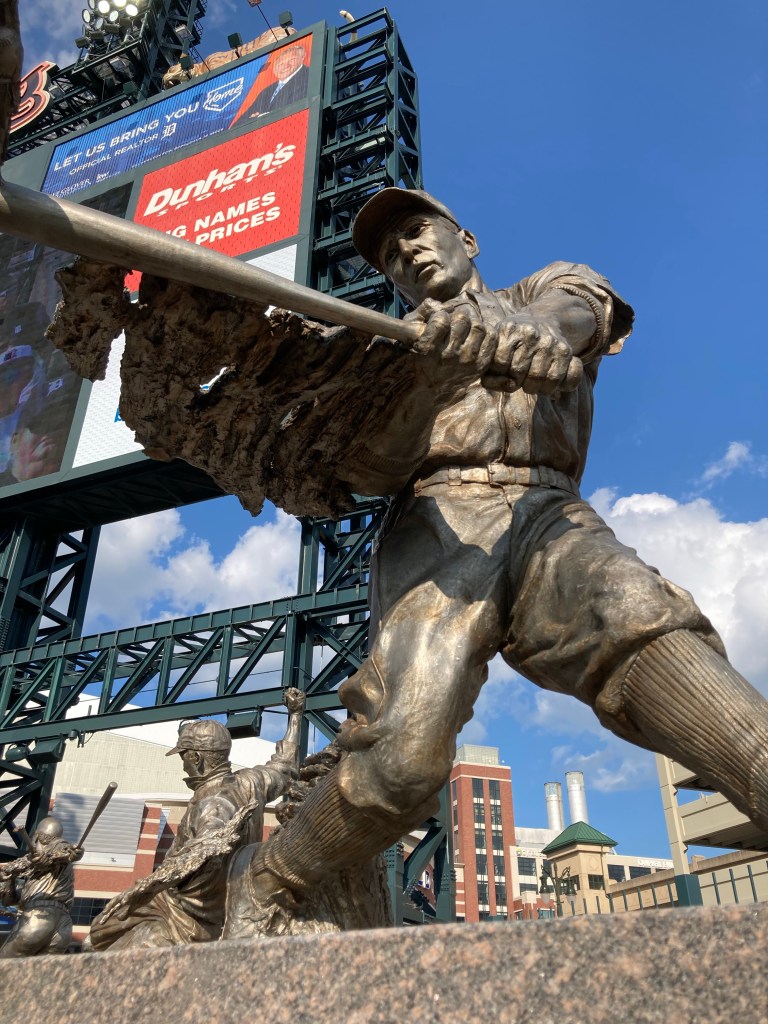
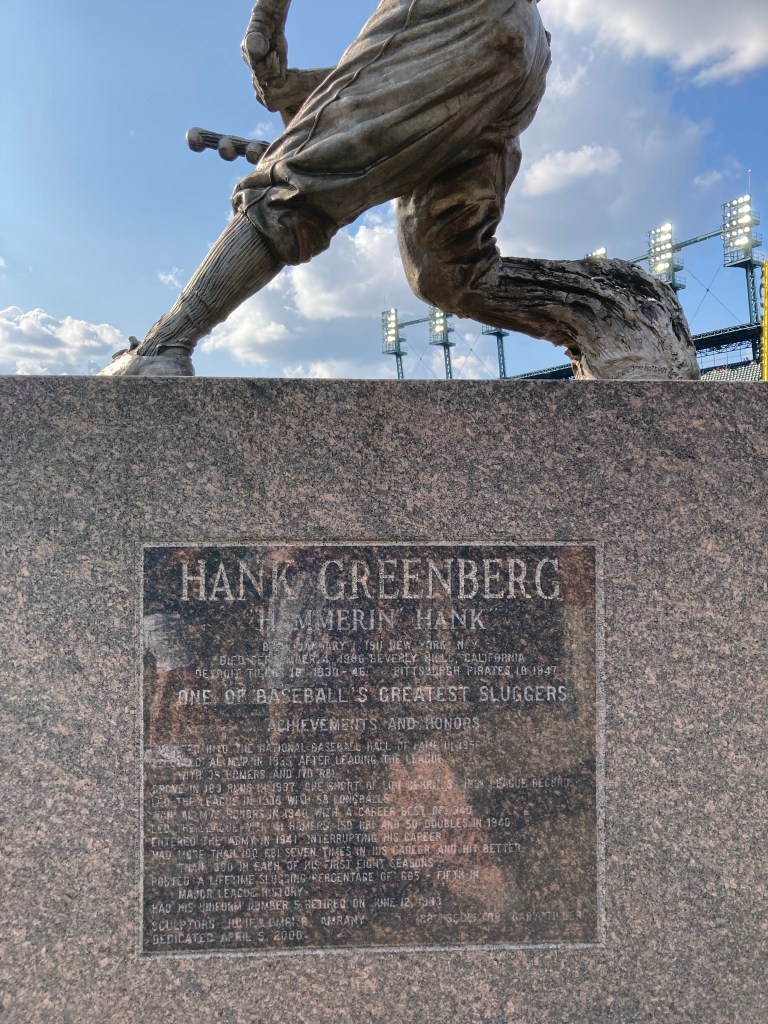
I’m also including a couple pics of the team’s statue and memorial to Hank Greenberg, who also faced hate and bigotry in a city rife with anti-Semitism at the time he played. (Detroit was home to automobile and manufacturing magnate Henry Ford, as well as Father Charles Coughlin, who spouted bigotry on his radio show. They were both notorious anti-Semites.) Hank is one of my favorite all-time players.
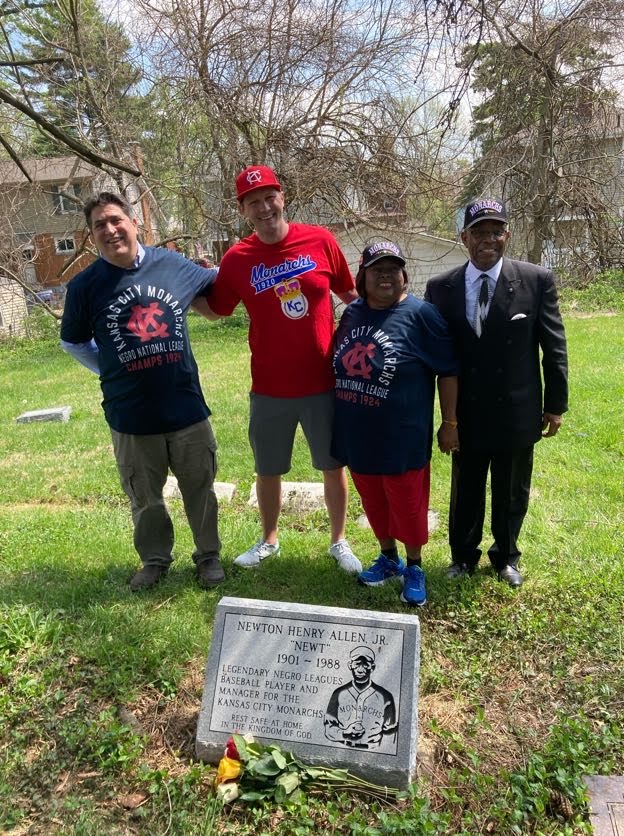
Attendees of New Allen’s grave marker dedication gather in Cincinnati’s Union Baptist Cemetery. (Photo by Paul Debono)
Editor’s note: I recently asked a couple SABR buds if they might be able to write a short essay detailing the dedication of a new grave marker on second baseman Newt Allen’s burial site earlier this year in Cincinnati. Below is such an article by Paul Debono, author of multiple fantastic books on the Negro Leagues, who was gracious and kind enough to unspool the story of providing a gravestone for the formerly unmarked grave of an overlooked Negro Leagues legend.
Jackie Robinson Day, April 15, 2023, a grave marker for Newt Allen was dedicated at Union Baptist Cemetery in Cincinnati, Ohio. Initially I felt a little awkward guiding the effort to place a marker on Newt Allen’s grave. I have always believed it is the historian’s duty to report history and not to change it.
I came across the fact that Newt Allen was buried in Cincinnati’s Union Baptist Cemetery years ago, which seemed odd as Newt was known almost exclusively for his storied career with the Kansas City Monarchs.
It was during the Covid-19 lockdown that I found some time to research the story behind how Newt Allen was laid to rest in an unmarked grave in Cincinnati.
He was born May 19, 1901, in Austin, Texas, the son of Newton and Rose (Baker) Allen. After the death of his father in 1910, Newt’s mother Rose picked up and moved to Cincinnati with four children.
While he was still just a young boy, Newt visited his aunt in Kansas City. His aunt had recently lost a young son, and the way things worked out Newt would stay in Kansas City. His auntie brought Newt into her home and adopted him.
He grew up in the historic Black neighborhood of 18th and Vine in Kansas City – very close to the current site of the Negro Leagues Baseball Museum. Newt discovered his true calling on the sandlots of Kansas City, working his way all the way up to the Monarchs in 1922. By 1924 he was the regular second baseman for the storied franchise.
Photo by Paul Debono
Not described as a “natural,” he was known for hard work and dedication. He mastered bunting and terrorized opposing infielders with aggressive tactics on the basepaths. Allen put in the work to become an excellent fielder on an excellent Monarchs team and helped the team to win the first-ever Negro League World Series against the Hilldale Club of the Eastern Colored League in 1924 – the first of many pennants for Allen and the Monarchs.
Newt Allen was one of the greatest second basemen in baseball. Buck O’Neil said he “never saw a second baseman with as good an arm as Newt Allen.” Legendary New York Giant manager John McGraw said, “Allen is one of the finest infielders, white or colored, in organized baseball.”
Along the way, Allen played baseball in Cuba and Mexico during the winter. He even toured China, Japan and the Philippines as a member of an “all-star team.” Newt Allen had a swan song as manager of the barnstorming Indianapolis Clowns in 1947 and then finally left the game he loved.
When he left baseball, he had a career as a repair foreman at the Kansas City courthouse. As an elderly gentleman in declining health, he moved in with his younger brother in Cincinnati and later into a nursing home. Newt was loved and respected. When Newt Allen died in 1988, the Kansas City Times printed a short article on the passing of the legend, but no obituary was published in the Cincinnati newspapers. And, probably due to a lack of money, no grave marker was placed.
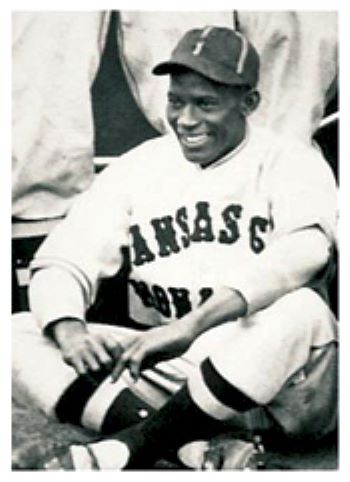
Newt Allen (photo from the Negro League Baseball Museum)
I found a story online about a researcher who had previously been frustrated looking for Newt Allen’s burial place. Newt’s death certificate listed the place of burial as Union Baptist Cemetery, but the record of his precise burial place could not be found.
It seemed like that might be the end of the story. I was lucky though, and discovered a local historian, Chris Hanlin, who had taken on a project documenting Cincinnati’s historic black cemeteries.
The subject of most of Chris’ work was Cincinnati’s African-American pioneers in art, business, civil rights, education, law, medicine, religion and other fields going back to the early 19th century. Chris had never heard of Newt Allen, and he too initially thought that Newt Allen’s resting place might be unlocatable.
As a long-time student of Negro League baseball history, I appreciated just how important Newt Allen was to the game. Years ago, I made the acquaintance of Dr. Jeremy Krock, who founded the Negro Leagues Baseball Grave Marker Project in 2004. I knew that, given Newt Allen’s prominence, his resting place would be on the list of graves worthy of placing a marker for the NLBGMP.
A breakthrough happened when Hanlin, who had over time built a relationship with the trustees of Cincinnati’s Union Baptist Church, was able to sift through the church records and find a record for the Allen family showing exactly where Newt Allen was buried.
While tracking down where Newt Allen was buried, we managed to learn a little bit more about his life story. We were also able to locate living relatives in Kansas City. While these pieces fell into place, it took time and work to create the grave marker.
Lest we forget, Covid-19 restrictions meant that in-person meetings were canceled, supply chains were slowed down, cemetery workers were laid off. We had Zoom meetings. We corralled support online. I did not meet my virtual colleague Chris Hanlin until we had both received our Covid vaccine six months after our online introduction.
Paul Debono, Alex Painter, Louise Stevenson and Dr. Orlando Yates at the dedication ceremony. (Photo from Paul Debono)
I told the story of how the Kansas City Monarch legend Newt Allen was buried on the west side of Cincinnati to anyone who would lend me an ear. I was asked several times, “Why are you doing this?”
That story always started with a short explanation of Negro League baseball, the significance of the Kansas City Monarchs, and then just who Newt Allen was and what he accomplished. I had some help telling that story – there were past voices inside my head guiding me.
Knowledge was passed on to me by big personalities like Buck O’ Neil and Ted “Double Duty” Radcliffe, whom I was privileged to meet many years ago. I came across Buck O’Neil’s “All- Time Negro League Team” posted online, in which he names Newt as his second baseman; everyone else on Buck’s team and now Buck himself is enshrined in Cooperstown.
Once it was determined where Newt Allen was buried, there was really no question that his grave would eventually be marked.
A grave marker is a simple slab of rock with an inscription that can last for hundreds of years – a small but important monument. The Negro League Baseball Grave Marker Project stepped up and coordinated the creation of the grave marker. It was delivered to Cincinnati’s historic Union Baptist Cemetery in the late summer of 2022. On December 1, 2022, the former sexton of the cemetery was lured out of retirement for a day to install the grave marker.
Jackie Robinson Day was chosen for the dedication because of Newt Allen’s special connection to Jackie. In his 1983 book, “Invisible Men,” writer/historian Donn Rogosin recounts a story passed on to him about how Newt Allen evaluated Jackie for the Kansas City Monarchs:
“Allen piled Jackie and the rest of the Monarchs onto a bus and headed to San Antonio to play [a team at the military base] Kelly Airfield. In the game, Robinson hit well and he proved that he was smart by handling some complicated baserunning chores and picking up the deliberately changing signs. But Allen recalled, ‘he couldn’t play shortstop.’ … Allen met with team owner J.L. Wilkinson … Wilkinson agreed, and Robinson was made a utility infielder, with the idea of grooming him as Newt Allen’s successor at second base.”
Since 2004 MLB has celebrated Jackie Robinson Day, in which all players wear No. 42 jerseys (a tradition started by Ken Griffey Jr.). Cincinnati is rich in baseball history and baseball history appreciators.
A group of about 50 people gathered at Union Baptist Cemetery at noon on April 15, 2023. Among the aficionados were a few baseball history buffs, including the director of the Cincinnati Reds Baseball Hall of Fame; church members; the son of a Negro Leagues player,; and friends and neighbors.
The day started off overcast with a few sprinkles, but by noon the splendor of a sunny Appalachian springtime came over the hallowed grounds. The dedication began with the Pledge of Allegiance – a tradition at the Union Baptist Cemetery, where the souls of over 100 Black Civil War veterans lie.
From the Negro Leagues Baseball Museum
We sang “Take Me Out to the Ball Game,” and the Union Baptist Church Pastor Dr. Orlando Yates gave a moving eulogy to Newt Allen – peppered with reminders of why history is important now! Newt’s accomplishments were recited and flowers placed on his tombstone.
While trying to gain support for the Newt Allen grave marker, I spoke with a few baseball historians. When you mention the name “Newt Allen” in certain circles, the conversation quickly turns to Cooperstown. The sheer number of games that Newt Allen played puts him in the National Baseball Hall of Fame discussion. The number of championship pennants he accumulated as a Monarch is more than any other player. The fact that there is not a true Negro League second baseman in Cooperstown also strengthens the case for his induction.
Regardless of whether Newt Allen winds up in Hall of Fame, he deserves to be remembered. We did our small part. We placed a simple marker on Newt Allen’s burial spot in hopes that he will never be forgotten. And the work of the Negro League Grave Marker Project goes on – since 2003, more than 50 markers have been placed, and there are more in progress.
Paul Debono (Cincinnati resident since 2000) is the author of two histories of Negro League baseball teams: The Chicago American Giants (2007) and The Indianapolis ABCs (1997) and currently working on a history of Negro Leagues baseball in Cincinnati.
As a final side note, Paul pointed at a little bit about Newt Allen’s connections to Cincinnati, where Paul has lived for many years. Here’s what Paul wrote on that:
Newt Allen was a Kansas City Monarch who was laid to rest in a different Queen City, however he did play a handful of games in Cincinnati. Newt played shortstop and was the leadoff hitter for the Monarchs May 25, 1934, at Crosley Field for a game against the Cincinnati Tigers. He went 2-for-5 and hit a double. It would be interesting to know if his Cincy family was able to attend the game.
Once again it’s been much too long since my last post. I’ve been working on posts but none of them seem to get done, unfortunately, but I really wanted to get something published about this particular subject.
That being the flood of state laws across the country that are banning the teaching of Critical Race Theory and outlawing in schools even the suggestion that systemic racism has always and continues to cripple our society by holding back a significant portion of the population – namely, non-white people.
(Here in Louisiana, Republicans in the State Legislature have tried to enact various anti-CRT measures but have fortunately been unsuccessful. Check out this and this.)
The basic truth of systemic racism remains that it has had and will continue to have a devastating impact it has on this country, and no amount of denying or ignorance can make it all disappear.
The notion that several well overdue laws like the Civil Rights Act and Voting Rights Act of the 1960s, court rulings like Brown v. Board of Education, and even three Constitutional amendments simply and magically erased all the horror, evil and consequences of hundreds of years of codified racial oppression of slavery and segregation in matters of instance is laughably, erroneous and deeply, deeply flawed, offensive and injurious.
Hiding our heads from reality in the sand doesn’t make systemic racism go away, and such pathological avoidance of the truth only reflects the fear and cowardice of those who ban the teaching of Critical Race Theory. Just like with segregation, such laws reveal the moral weakness and terrified existences of those leaders and their supporters. People like Ron DeSantis are, quite simply, cowardly little children and bullies.
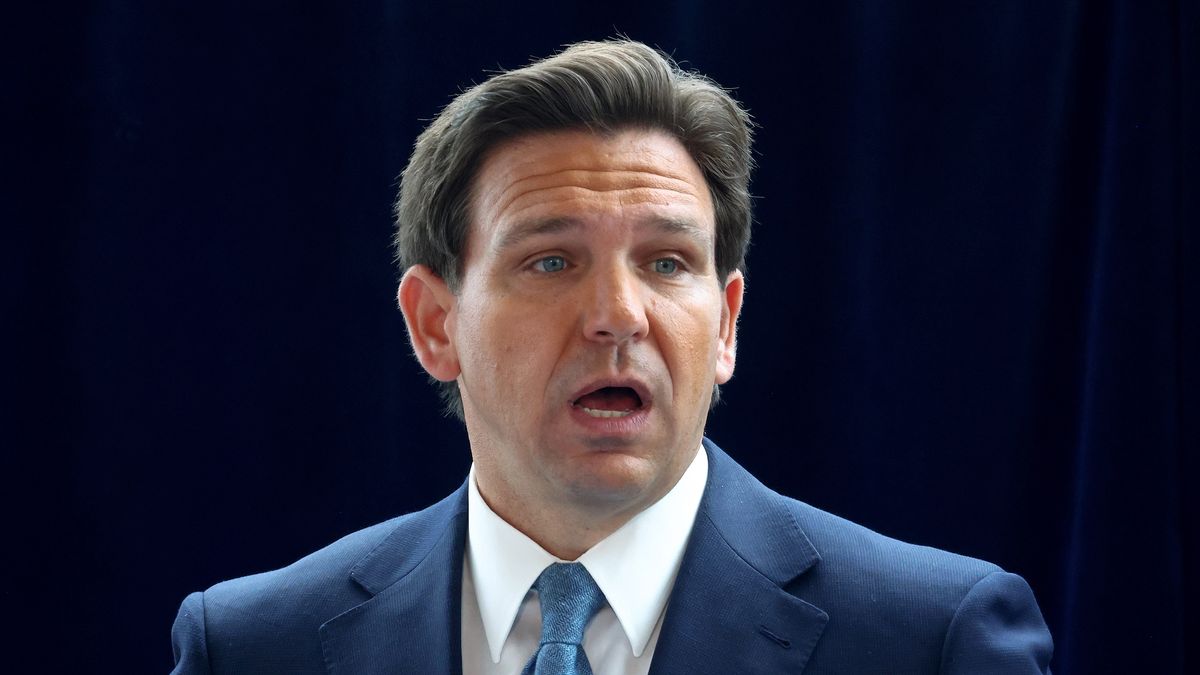
Pictured: The derpy face of white American cowardice
But with that screed of mine out of the way, we need to get at one of the fundamental questions springing from such draconian, ignorant laws – what practical effects will such bans have on education in America? What can now be taught and acknowledged, and not taught and unacknowledged, in schools in Florida, Texas and other reactionary states?
Specifically in relation to this blog, we must conjecture whether the history and impact of the Negro Leagues can be taught to our children? Many people in the modern Negro Leagues community and fandom have worked hard, with a mix of determination and opportunity, to go into schools and clubs across the nation to teach folks about the bittersweet glory of the Negro Leagues.
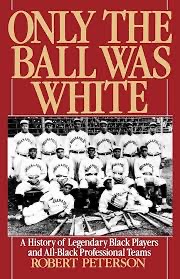
For decades these baseball missionaries have exposed Americans, young and old, to the wonder and greatness that was segregation-era Black baseball. But would such efforts be allowed today? Could a teacher or guest in a school introduce “Only the Ball Was White” to students? Could the brilliant work of many subsequent Negro Leagues researchers and writers even be mentioned in classes?
Or would such instruction be barred or punished in states like Florida?
Because it’s absolutely impossible to teach about Satchel Paige and Josh Gibson and Pete Hill and Rube Foster and Pop Lloyd and Effa Manley without relating the very reason the Negro Leagues existed at all. The history of the Negro Leagues themselves is indisputably intertwined with why they were there – oppressive bigotry, segregation and, yes, institutional racism.
As a result, I suggest that any class lessons involving these legends – and legendary teams like the Cuban Giants, Kansas City Monarchs, Homestead Grays and Birmingham Black Barons, as well as numerous barnstorming all-star aggregations – that would be taught in school in Florida and elsewhere would be viewed by DeSantis and similar Palpatines as illegal and would be punished by the very legal system that should protect them.
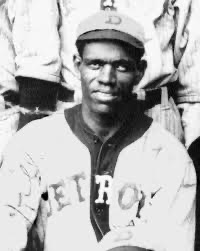
Pete Hill
In essence, the Negro Leagues now could not be taught in Florida. They simply couldn’t without vigorous, bigoted backlash.
But all this reveals another basic, unfortunate, tragic truth – that so much of what’s known as Black History in America is indeed the fight against institutional racism and oppression. The beliefs, writings and efforts of so many great African Americans were undertaken and put to paper as part of the centuries-long battle against bigotry, both codified and understood.
The people who are counted as important Black politicians and elected officials are, in part, remembered because they were racial pioneers in government. And from Shirley Chisholm, Barbara Jordan, John Lewis and John Conyers to Barack Obama and Kamala Harris, these trailblazers used their influence and power to affect achievements of tremendous social justice and political infrastructure.
Even someone like Michael Jordan, who although wasn’t an athletic trailblazer like Bill Russell or the Harlem Rens were, became such a crucial figure in America, and indeed the world, because he was a Black man who was able to leverage his sporting achievements into an entrepreneurial juggernaut and massive economic success. Folks like Jordan, Tiger Woods and Serena Williams represent the mythic American Dream itself by becoming millionaires and billionaires, something that even early pioneers like Marion Motley, Joe Louis or Jesse Owens couldn’t achieve.
Which brings us back to baseball, the national pastime, the oldest American sport, and the oldest American athletic business and, quite necessarily, to the Negro Leagues and their sad reason for being.
And, progressing from that, we come to the one and only Jackie Robinson. While Jack Roosevelt Robinson was undeniably an incredible, accomplished athlete regardless of color or era – he would have been a star and Hall of Famer in any league or in any decade – the driving reason he’s held up as an American hero is because he was the first player of color in the modern-era Major Leagues.
And moreover, his greatness and legend and importance also stem from the way he withstood withering hate and abuse when he suited up for the Brooklyn Dodgers in 1947 and beyond. He proved himself not just a good baseball player, but as a supremely strong, proud, resolute, honorable person and American. He was himself a Civil Rights pioneer who forever changed America for the better and bolder. That’s why he’s held up as a legend and an American hero today.
But, again, could his life, career and impact even be taught in the schools of Florida, Texas and other states today as a result? Would DeSantis-ites object to any mention in classes of a man who became a great American because of his battle and triumph over segregation and institutional, systemic racism, topics that are now feared taboo by weak, scared whites?
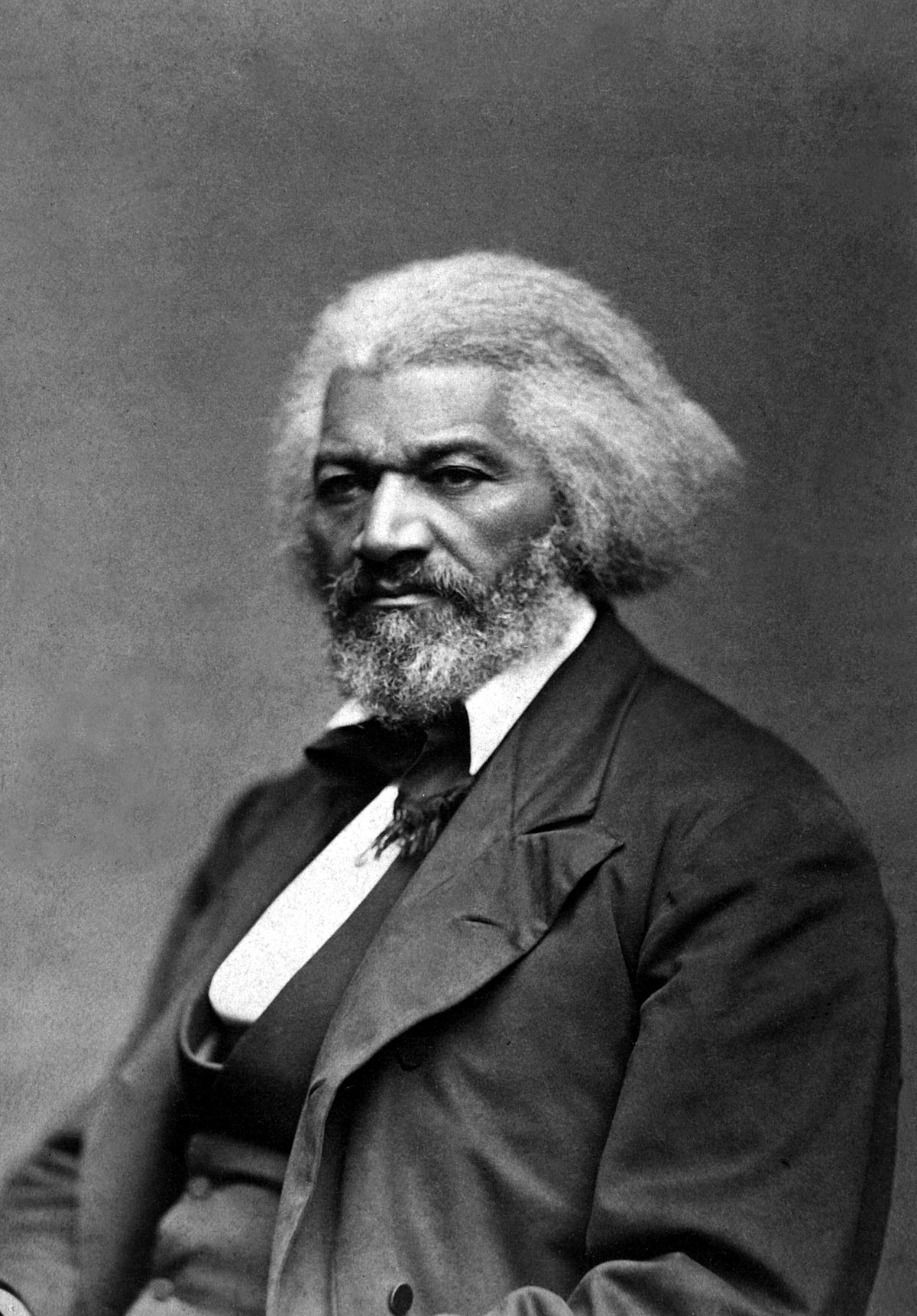
Frederick Douglass
Then extend the example of Jackie Robinson to other American Civil Rights legends. How could a teacher in Florida similarly instruct kids about why Frederick Douglass, Dr. King and Rosa Parks are important if those educators can’t even teach about someone – a “mere” baseball player – as fundamental to the last hundred years of American history and the lingering impact of that history?
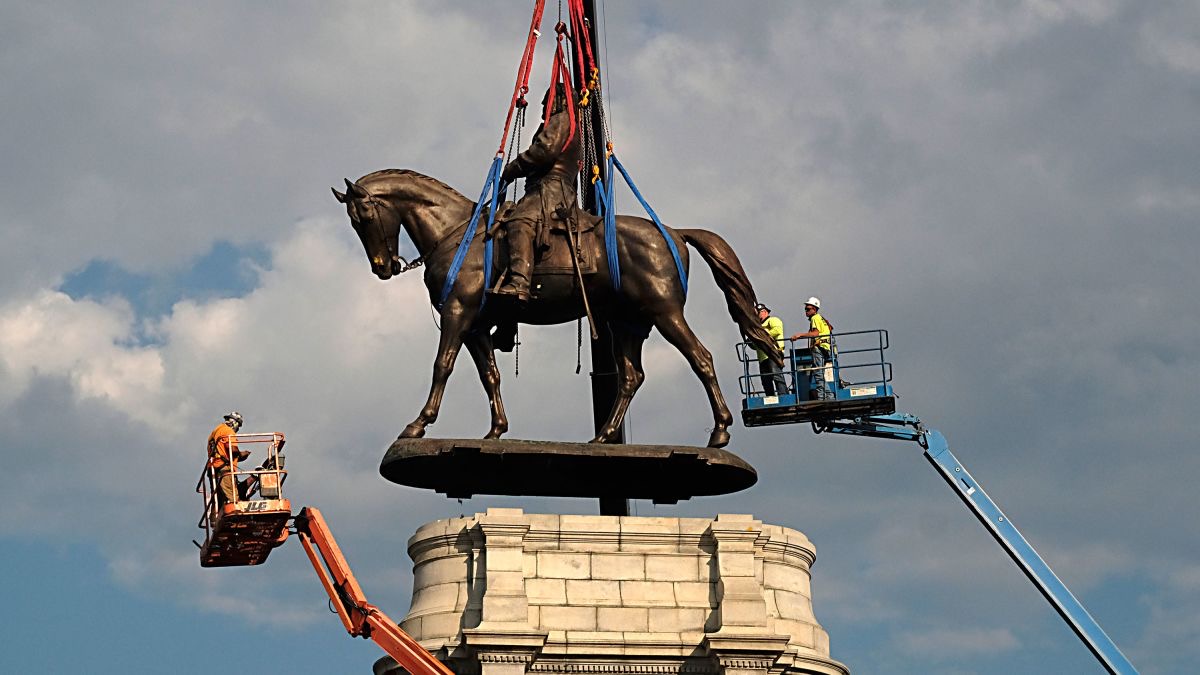
When a nationwide movement calling, happily often successfully, for the removal of Confederate and Jim Crow statues, names and titles from the public sphere several years ago, reactionary whites leveled panicked cries of “how history was being erased.” They blustered and bloviated sanctimoniously about how Confederate history was, for better or for worse, American history, and thus shouldn’t be relegated to obscurity.
Overdue, to say the least
But now, these same reactionaries are now hypocritically doing the very thing they decried as an American catastrophe – effectively erasing history by banning its teaching. They’re deleting most of Black history from classrooms and textbooks across the country because teaching the reality of that history and the continuing, tragic impact of people of color would make them, and their precious white children, uncomfortable and sad. Snowflakes, indeed.
Black history – and therefore all of American history – is effectively being blotted out from lesson plans. We can’t teach about heroes like Jackie Robinson or MLK without accepting why they’re heroes – their heroism is defined and even exists because of systemic racism.
And without teaching the painful, ugly, centuries-long history of system and institutional racism in America, we cannot even begin to hope for the type of social and cultural reckoning that is absolutely necessary in order to affect nationwide healing that is so feared and almost pathologically avoided by people like DeSantis and his myopic, bigoted, cowardly supporters.
That reckoning with reality then necessarily envelopes the lives of, accomplishments made by and lessons imparted by American athletes like Jackie Robinson – and unavoidably, the Negro Leagues and Black baseball history.
It’s that Black baseball history that, sadly, stands as an emblematic microcosm of the entirety of American history and current American society. And if we can’t teach about Satchel Paige, Cum Posey, Sol White and Rube Foster – themselves relatively benign subjects compared to the shameful legacy of lynchings, mass murder and other violence – then how can we even teach the whole of Black history, as well as, then, the way that terrible, bittersweet history continues to cause the systemic, institutional racism that hasn’t simply disappeared in America, no matter how much some might want it to?


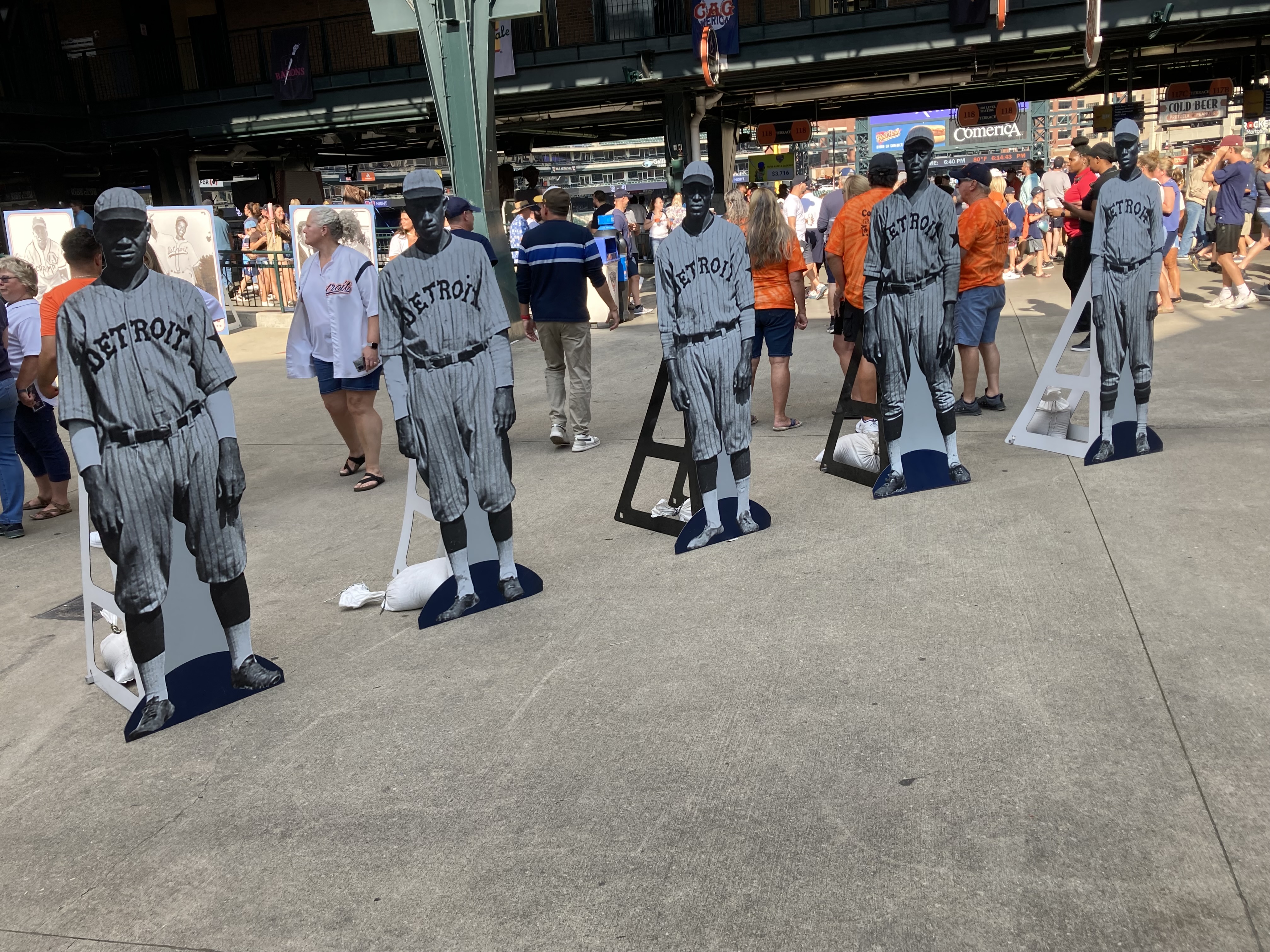
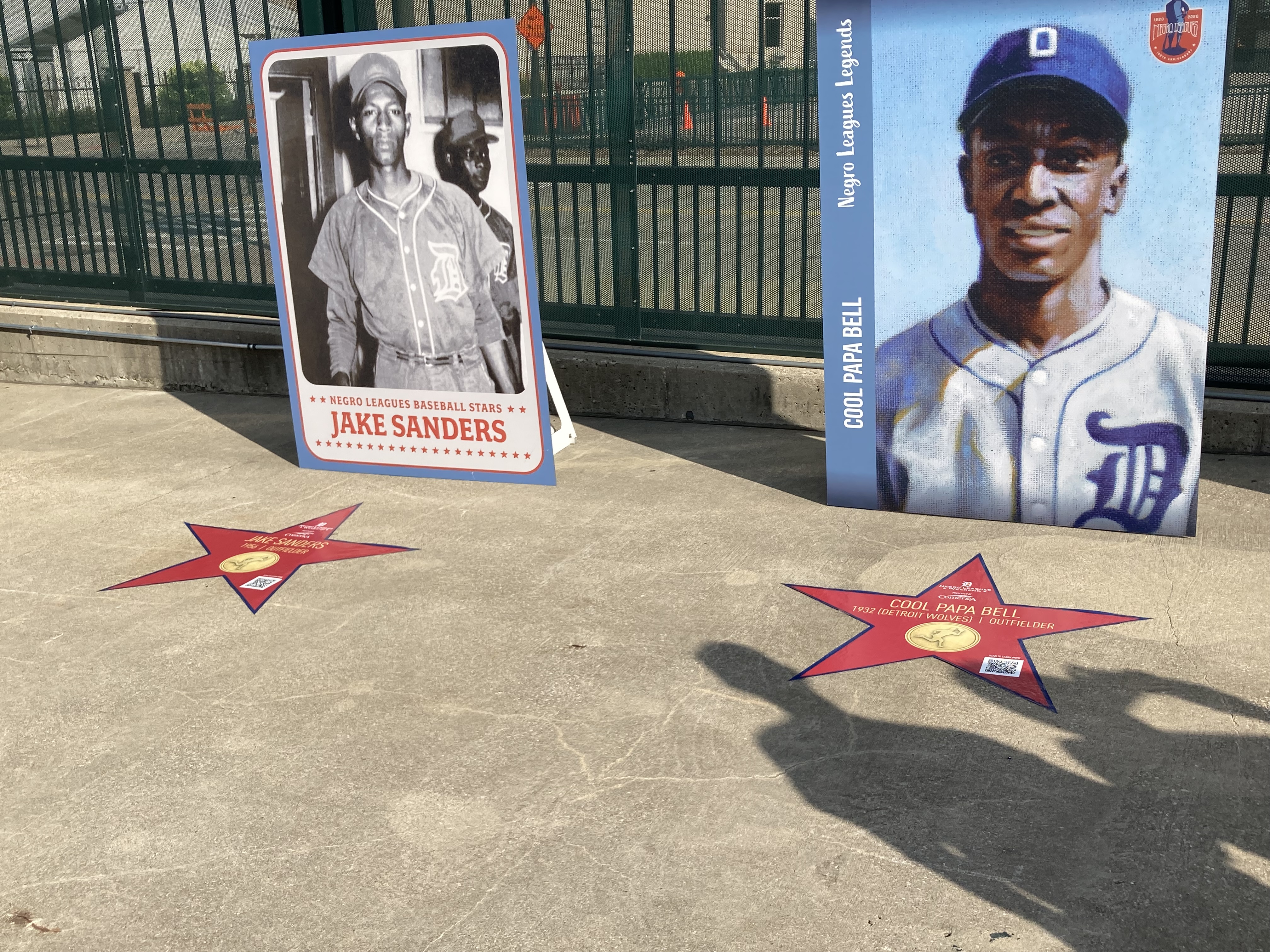
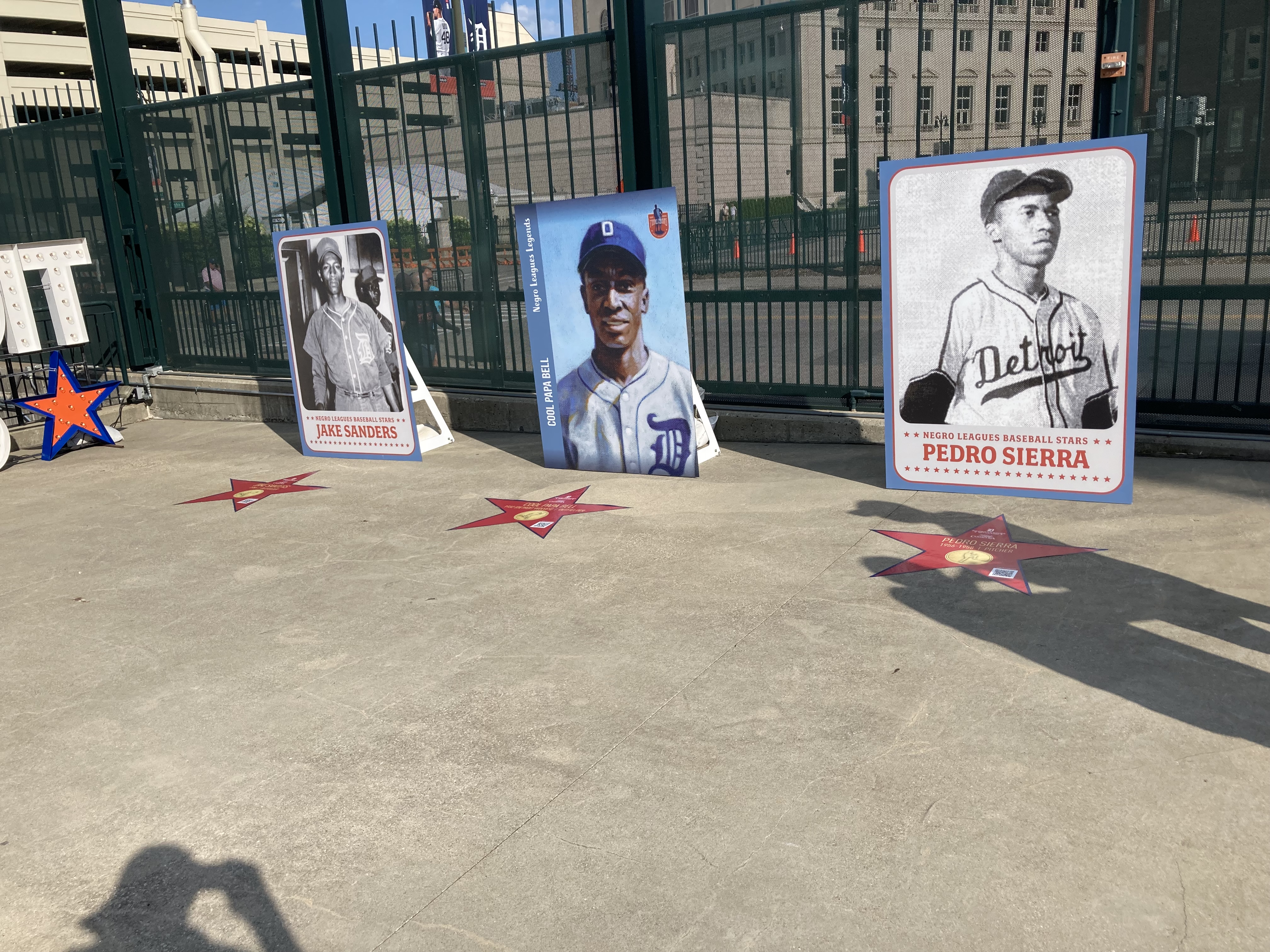
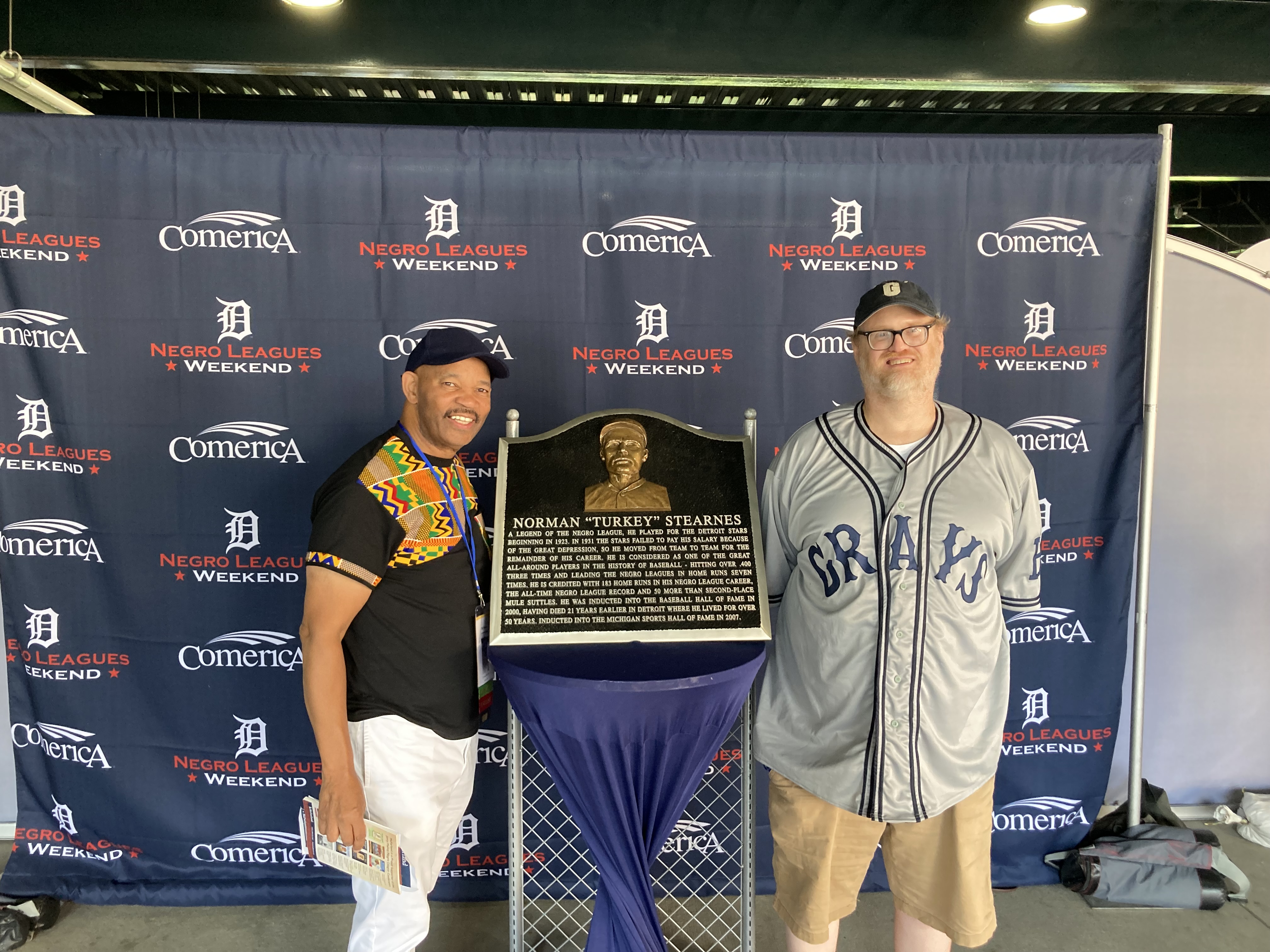


 The Negro Leagues Up Close