The last Negro World Series: a son’s perspective

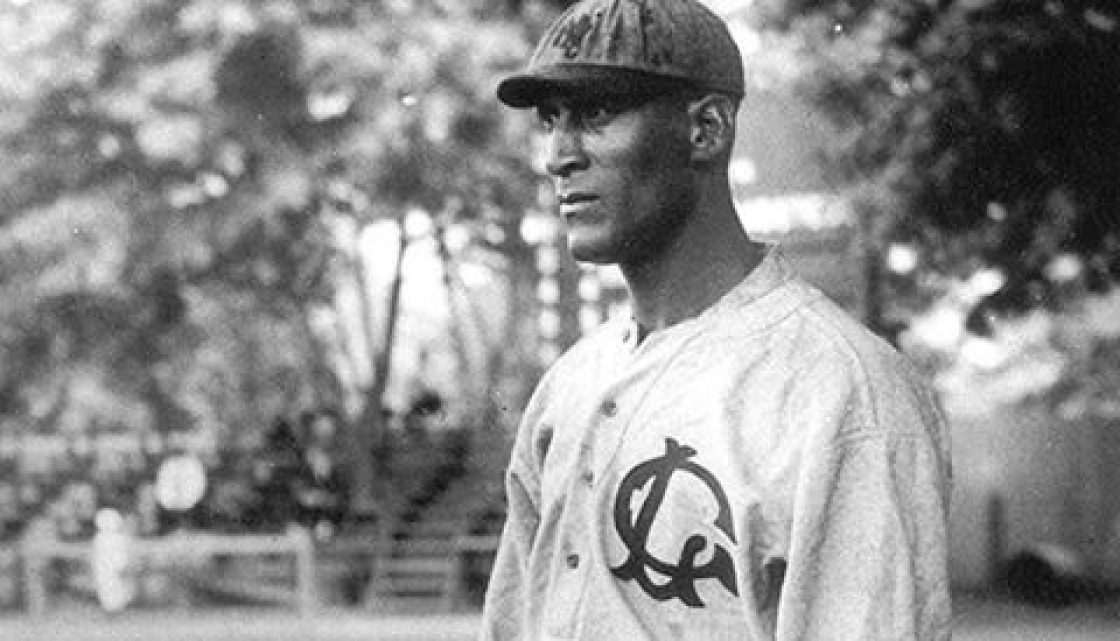
Rodney Page (photo courtesy Rodney Page).

Editor’s note: I recently wrote an article for The Louisiana Weekly newspaper here in New Orleans about the very last Negro League World Series, which was held in 1948. One game of the series was played in the Crescent City, with legendary businessman and sports promoter Allen Page organizing and hosting the event.

For my article, I got a few thoughts from Rodney Page, Allen’s son, and he generously agreed to do so. I used some of his comments for my article, but I wanted to show people the entirety of the amazing few paragraphs he put together about the 1948 NLWS, and his father’s role in baseball history. Here are those full comments. Many thanks to Rodney for his work.

Seventy-five years is a long time to honor and celebrate a significant event. Seventy-five years also coincides with a “diamond jubilee,” which resonates with the Negro League World Series of 1948. One of those World Series games was played on the Pelican Stadium baseball “diamond” in my hometown of NOLA.  
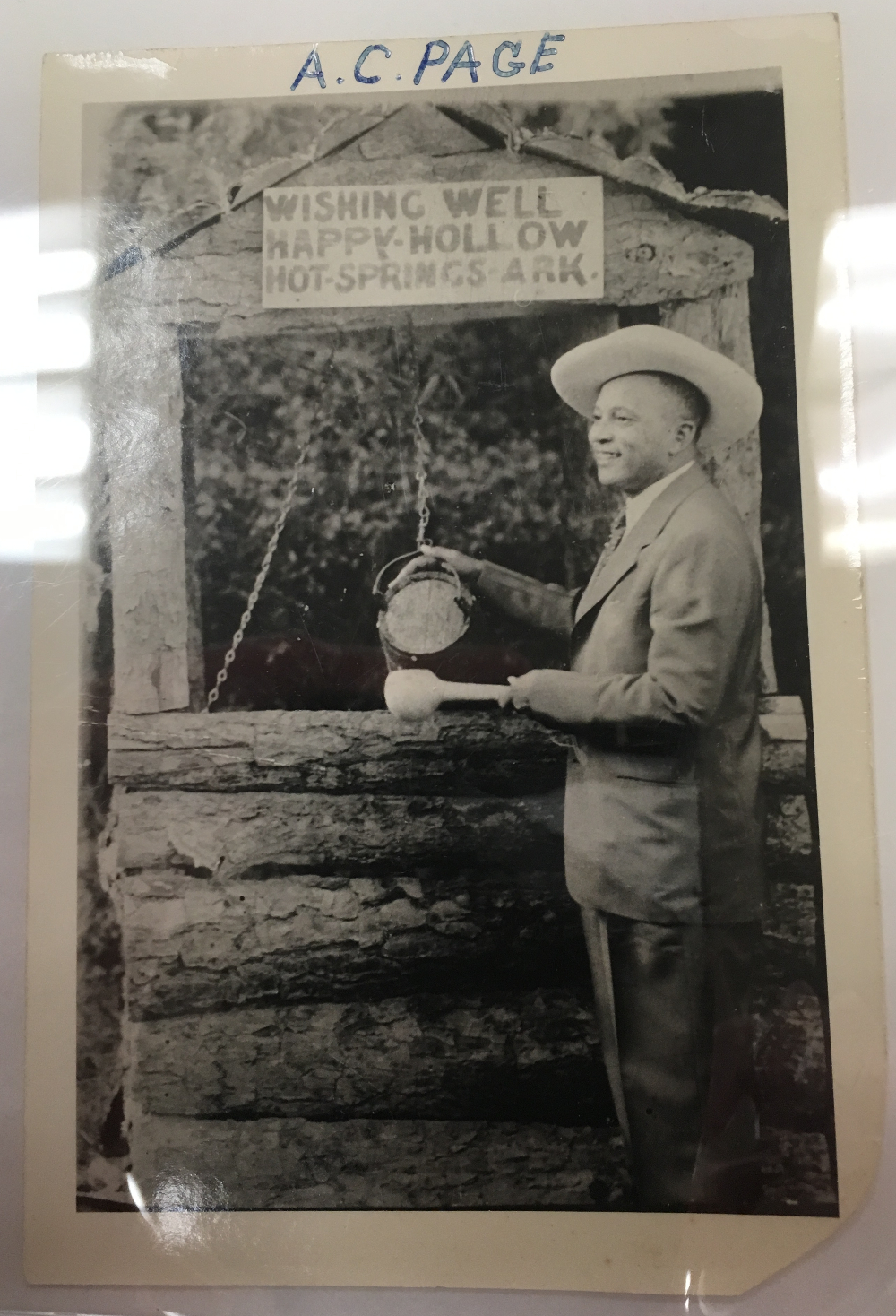
Photo courtesy of Amistad Research Center.

Another connection is that I was born 75 years ago (Sept. 4, 1948) in NOLA at Flint-Goodridge Hospital, located at the corner of Louisiana Avenue and Lasalle Street.

The host and promoter of this World Series game in 1948 was my father, Allen Page. This is a testament to his significant contributions to the entire Negro Leagues baseball experience. His contributions were not just local in NOLA, but included regional and national affiliations, promotions, and endeavors. The 1948 Negro World Series is an example of that. Consider the risks and the connections necessary in bringing this showcase to NOLA.
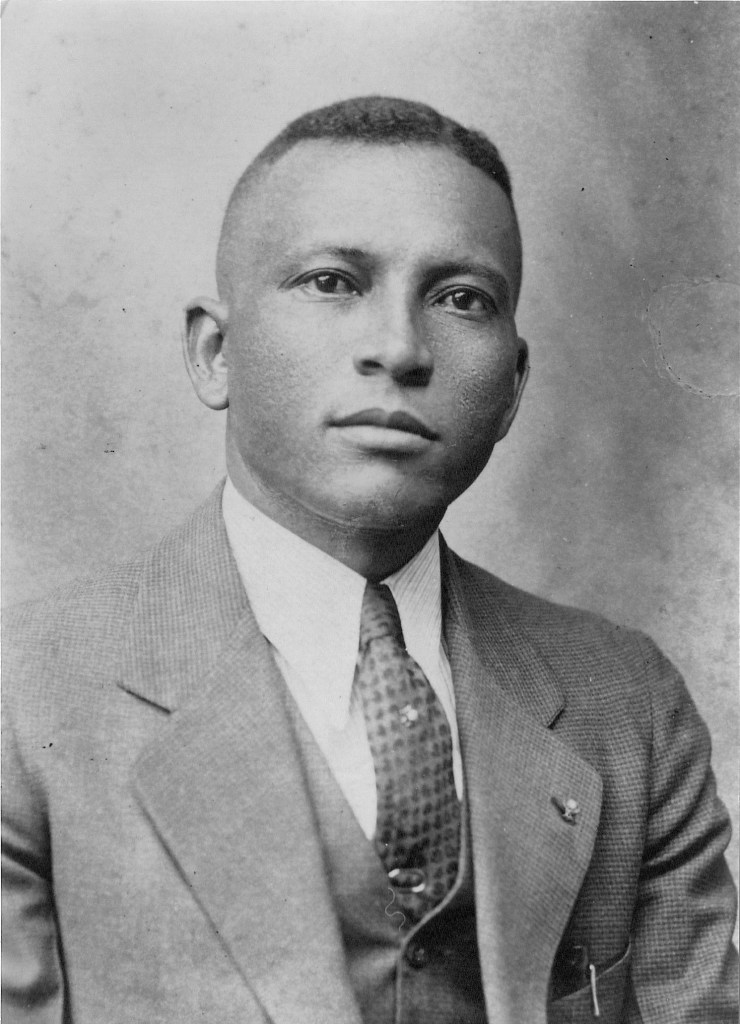
Allen Page (photo courtesy Rodney Page).

The hero’s journey does not always end in resounding victory. Sometimes the reward, the victory, is in the process. The process of overcoming and transcending enormous challenges and obstacles. The societal changes from segregation to integration and all of the gains, and losses, of this shift in the social landscape of America. From my perspective, this is part of the deeper story of the Negro Leagues, and Allen Page.

The true story of Allen Page is his indomitable spirit, which speaks to the heart of self-reliance, self-definition and self-determination.

Rodney Page

Some say this was the last Negro Leagues World Series, as Black baseball’s decline was rapidly approaching due to the integration of MLB. An interesting pattern is apparent in the journey of Allen Page. The final resting place for the once outstanding St. Louis Stars and the Newark Eagles was in NOLA.

In addition, one of the final NLWS games was played in NOLA. Allen Page was in the midst of all three significant events in the rich history of Negro Leagues baseball.

In my eyes, my father is a hero. Knowing where he came from and what he accomplished has given my life enormous inspiration and pride. He dared greatly and risked often and much. The true story of Allen Page is his indomitable spirit, which speaks to the heart of self-reliance, self-definition and self-determination. He transcended and excelled despite the shackles of the Jim Crow South and overt racism in America. A legacy of firsts was in his DNA.

Rodney Page, Sept. 14, 2023

Allen Page’s popular and successful hotel in NOLA (photo courtesy of Rodney Page),

The Hall of Fame goes silent

The National Baseball Hall of Fame.

I was hoping I wouldn’t have to write this, but I need to go ahead with it, quite unfortunately …

Many of us in the Negro Leagues research and fandom community have consistently expressed dissatisfaction with the haphazard, slapdash and dismissive way the National Baseball Hall of Fame in Cooperstown, N.Y., has handled the induction of segregation-era Black players, managers, executives, umpires and other representatives of a time when American society denied them the right to compete against and alongside white individuals and teams.

The rules of eligibility for such Negro Leagues greats and the methods of election and induction for them has been inconsistent, ever-changing and wholly inadequate, resulting in only a fraction of the qualified pre-integration figures of color actually being inducted so far, and to a stunningly disproportionate level of representation when compared to the number of white players from the same era who have achieved induction.

The Hall always seems to be well behind the curve on this issue, always reacting to scorn and criticism of the induction process in hastily, jumbled and inconsistent fashion. I’ve written about the Hall of Fame’s dereliction of duty and complete ignorance of and lack of respect for Negro Leaguers over the years. You can read my posts on this topic here, here, here and here. For articles in other media about the induction controversy, check out this, this and this.

A group of us Negro Leagues enthusiasts has been so dismayed and even angered at the Hall’s failures that we started the 42 for 21 Committee, dedicated to advocating for segregation-era baseball figures of color and their much needed, rightful election to the Hall. For info on 42 for 21, you can look here.

The current rules and guidelines for Hall of Fame induction can be found here; details of the “Era” committees process are here; and this link reviews the history of voting rules changes over the years. All three are links to the National Baseball Hall of Fame Web site. For other media articles about this topic, you can check out this, this and this. It’s all very confusing, honestly.

Members of the 42 for 21 Committee met this past July in Detroit at the annual SABR Jerry Malloy Negro Leagues Conference to start working out an advocacy strategy.

After that meeting, I figured that, as the respectable, quality journalist I am (more or less), I’d go right to the source of the controversy and interview a representative at the Hall of Fame to get the institution’s comments on the controversy and criticism.

As a result, I reached out to the Hall’s media relations office and asked about setting up such an interview; I suggested an email exchange for said interview, and the staff there said to go ahead and send questions and they’d try to line up answers from a HOF executive. I often prefer email interviews because it’s much more flexible time- and scheduling-wise, and since the questions and answers are written out, there can be fewer concerns about misquoting and lack of accuracy.

To put it bluntly, I’ve been extremely disappointed – even after a couple follow-up nudges, I’ve received no answers at this time.

After vetting the questions with a couple SABR peers, I emailed them to the Hall on Oct. 5, and the media rep said the next he’d get them to someone who could answer them. After two weeks I hadn’t heard anything back, so I followed up with media relations on Oct. 19, and the rep said he’d remind the leadership team about the interview questions.

A week later I hadn’t heard back and sent another email, this one saying that I would have to report that the Hall had been unresponsive and failed to answers my interview questions. That email got no response. That was on Oct.26.

And here we are.

A couple notes at this point … One, I wanted to detail my interactions with the Hall in this enterprise to offer full transparency with how the communications unfolded to give full context for the primary thrust of this post.

Second, I fully well understand that I’m not the New York Times or ESPN or The Athletic, and that my questions were very pointed and almost a little confrontational. However, I believe my queries are important and that the Hall needs to address them in some way, form or forum, even if they opt to not respond directly to me.

So, what did I ask them? Here are the questions I sent:

1) What are your thoughts on the criticism the Hall has received regarding the lack of segregation-era Black inductees? Do you think such criticism is fair?

2) Have you seen the work of the 42 for 21 Committee? How would you respond to its efforts and statements about nominating a more well rounded and informed panel of experts who are better equipped and more knowledgeable when it comes to selecting HOF inductees from the Negro Leagues?

3) The proportion of white major leaguers in the Hall compared to the Black players from the pre-integration era is still heavily skewed and in no way comparable. What are your thoughts about the possibility that such a lack of Black inductees can be rectified?

4) Is there the possibility of more changes in the induction process to make the results more equitable?

5) Even with what some observers view as constant tinkering with the induction process, some critics assert that process still does a woeful job of achieving equality, fairness and justice for the many segregation-era candidates of color who still deserve induction. What are your thoughts on that situation?

6) Is there anything else you’d want to say on the matter of segregation-era candidates of color and the processes that have been used to induct such candidates?

Like I said, I acknowledge that the questions are very blunt and somewhat combative. However, I think that’s a reflection of just how frustrated and disappointed many of us are in the Hall of Fame’s continued obstinacy and unwillingness to right ongoing wrongs and bring full equity and justice to a process and a mindset that has led to the institutionalization of racism and ignorance that’s plagued a our national pastime for well more than a century.