The horror and tragedy of Byberry hospital

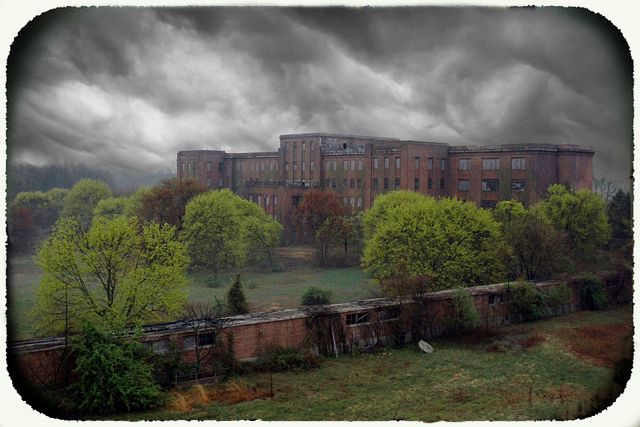
A great photo of Byberry in 2012 by Chandra Lampreich for an article on the “Hidden City” Web site about Philadelphia’s urban landscape.

This post was originally designed to be part of my previous one about the details of Alexander Albritton’s death and the blanks that still need to be filled in more than eight decades later. The idea was to segue from the grim specifics of the death of one patient at Philadelphia State Hospital, commonly known as Byberry hospital, into a discussion of the horrific conditions in general at Byberry and the myriad tragedies that took place there in its long, troubled history.

But the post just grew longer and longer, and potentially more tedious. Plus the stuff in this new post doesn’t directly involve Alexander, but instead subjects kind of tangential to him. So I decided to break this off into a sort of postlude or sidebar to the previous, main post about Albritton’s death.

**********

Warning: This post contains information and photos that might be disturbing to some readers.

In the larger view, Alexander Albritton’s tragic death served to underscore the fact that Philadelphia State Hospital, commonly known as Byberry, was rife with deplorable conditions that most likely led to Albritton’s death – and the deaths and suffering of countless others.

Albritton’s violent demise prompted a local military veterans leader to publically call on the four Black members of the state legislature from Philadelphia to demand an investigation into the conditions at Byberry.

The question soon became how, exactly, the conditions at the hospital were such that a single attendant was monitoring an entire ward; why the injuries that caused Albritton’s death went undiagnosed and untreated for two-plus days; and how and why Albritton ended up dead, sitting on a bunch, unnoticed?

Some of the most piercing criticism was leveled by Deputy Coroner Vincent Moranz, who told the Philadelphia Tribune that the “(t)his system is obviously undermanned and underpaid. If there were more attendants, it would not be necessary for one attendant to take such strenuous measures in handling persons like Albritton.”

Moranz added that Weinand was “the victim of a system which fails to provide proper supervision over its charges.” The Tribune also noted that Genevieve Davis, the supervising nurse general at the hospital, stated (it’s unclear exactly when and where she gave this testimony) that the facility only had three doctors and seven nurses caring for more than 1,000 patients.

The Pittsburgh Courier reported on a recent report stating that recently, Byberry had been seeing a death every week to 10 days, and it took only an astonishingly short time for another questionable, violent death to occur at the institution; less than an hour after Albritton was found dead, 61-year-old Francis Hughes succumbed to injuries suffered about a month earlier in a scuffle with Alfred Gilmore, 46, that took place roughly 24 hours after the latter was admitted to the hospital.

The tragic pattern continued seemingly ad infinitum throughout the hospital’s history, both before and after Albritton’s death, from the facility’s opening in 1911 and the closure of its last buildings and wards in 1990. In June 1938, the Philadelphia Inquirer published an investigation by reporter John McCullough, who toured both Byberry and Norristown State Hospital, another large psychiatric facility in Pennsylvania. In comparing the two hospitals, McCullough gave a largely positive review of Norristown, but leveled substantial criticism at Byberry, which he said featured such apathy and disregard toward patients by the staff, the facility seemed like it was in the diseased “dark ages” compared to Norristown.

About a month after the Inquirer’s article, the state legislature released its own, scathing study of Byberry, dubbed the Shapiro Report, which, another Inquirer article stated, “literally crawl[s] with ghastly detail of incompetence and mismanagement and their selfish perpetuation, coercive administration and medical irresponsibility, professional misconduct, and bland and persistent toleration of mistreatment and the lack of treatment of the 5400 helpless inmates.”

In particular, the report mercilessly ripped into hospital superitendent Wilbur Rickert, who was described as grossly incompetent and infuriatingly indifferent to the suffering of thousands of patients.

An editorial in the July 22, 1938, issue of the Inquirer did not pull any punches on that last count, asserting that Rickert had made a “disgraceful botch” of administration at the beleaguered facility.

From a 1946 report by the Pennsylvania Department of Welfare.

“The Legislative Committee minces no words about the superintendent’s unfitness,” the editorial stated, “and upon his shoulders it places full responsibility for conditions that are made up of inefficiency, cruelty, intrigue and barbarity reminiscent of the dark ages. It is an appalling line of soiled linen that the report stretches in public view. It is not pretty to look at, but it has to be seen if the full story of Byberry and its shame is to be comprehended.”

The report also strongly recommended that the state take over the administration of the hospital from the city, a move the Inquirer’s editorial page praised and raised hope for a radical rectification of the terrors at Byberry.

This firestorm came less than two years before Alex Albritton was fatally beaten within Byberry’s walls, and in the dozen or so years following the former baseball pitcher’s death, the continuous line of tragedies did not abate immediately after state takeover.

In January 1941, in fact, Time magazine published an article about Byberry, to report on the progress, and lack of further progress, under Woolley, the man who had been appointed by the state to “clean up” the nighmarish conditions at the facility.

The Time story largely painted Woolley in a favorable light, describing him as a beleaguered administrator hamstrung by paltry funding and a swelling patient population that had reached about 5,800 against a capacity of less than half that. Woolley stated that while some progress had been made, the conditions were still embarassingly dire.

“When I came here Byberry was a medieval pest house,” the magazine quoted him as saying. “It’s now the equal of an 18th-Century insane asylum. It’s a disgrace to any community or government which calls itself civilized.”

Nearly 80 years ago, in 1946, Life Magazine – at the time the country’s premier general-interest publication – ran a lengthy expose of the nation’s psychiatric wards and mental hospitals, including those in Pennsylvania. Referring to the facility by the nickname given to it by its patients – “The Dungeon” – reporter Albert Q. Maisel wrote that “[i]n Philadelphia the sovereign Commonwealth of Pennsylvania maintains a dilapidated, overcrowded, undermanned mental ‘hospital’ known as Byberry.”

In July 1988 – roughly two years before Byberry closed completely and for good – the Inquirer ran a comprehensive investigative package detailing all the social, cultural, economic and political factors that created the hospital’s horrors.

Included in the reporting was a necrology – a list, far from complete, of dozens of violent deaths and suicides ending in 1970. The distressing listing included 28 such incidents in the 11 years following Albritton’s death, culminating in February 1951, when four female patients were killed in a fire caused by arson on the part of other inmates. (Following the fatal fire, the hospital declared it would, in addition to investigating the blaze, examine 10 other recent deaths at the asylum.)

That section of the necrology included two male orderlies – one dishonorably discharged from the Navy, the other a former prizefighter dubbed “the Slugger of Byberry” – being convicted of the manslaughter of a patient; at least five suicides; and six patients whose bodies were discovered in various places after going missing from between two days to a month.

Byberry’s history did include occasional periods of improvement, thanks to developments like new building construction, other infrastructure projects, and the introduction of newer, more holistic and humane treatment practices. Some accounts reported that the situation improved gradually after state takeover. But dark stretches and horrific tragedies consistently continued to take place throught Byberry’s often macabre history. 

From the 1946 state report.

The Ancient History/Ancient Myths Facebook page includes a short essay on Byberry and pointedly states how the notorious hospital “didn’t just confine the mentally ill—it locked away the vulnerable, the unwanted, and the forgotten. Overcrowded, understaffed, and poorly managed, it became a dumping ground where basic human rights were routinely violated. Patients were often left unclothed, unfed, or shackled in filth.”

The essay summed up the hospital’s social significance and historical legacy, stating:

“Byberry wasn’t just a failure of mental health treatment—it was a mirror held up to a society that chose to look away. A place where suffering was hidden, silenced, and normalized. Its eventual closure in the 1990s came far too late for those who endured its cruelty. Today, the ruins of Byberry stand as a decaying reminder of how institutions, left unchecked, can become prisons of torment rather than places of healing.”

In the Inquirer’s article from 1988, writer William Ecenbarger eloquently described the lingering, seemintely infinite impact had on the City of Philadelphia, the Commonwealth of Pennsylvania, and the nation’s mental-health system:

“… It was opened in 1907 and operated much of the time on the theory that circumstances that would drive a sane person mad might drive a mad person into sanity.

“Byberry. Like the Holocaust, it is impossible to amend, impossible to accept. … Perhaps we should allow it to stand out there on Route 1 as a reminder that in a bureaucracy, there is no problem too big to be avoided; that the humans given responsibility for other humans cannot sit back and admire their intentions; that injustice always walks softly – and we must listen for it carefully.

“Byberry. It pulls you in and wrings you out like a rag. It’s a lake where all the world’s tears have flowed. The history of Byberry reads as though it were written by Dante, and then rewritten by Kafka with Poe looking over his shoulder. Byberry’s story is freighted with tragedy. All institutions fall short of the aspirations of those who create them, but seldom in the 20th century has this occurred with such devastating effect on its guiltless residents. There are a few heroes, and they’re not hard to spot. And like all true stories, this one has no end.”
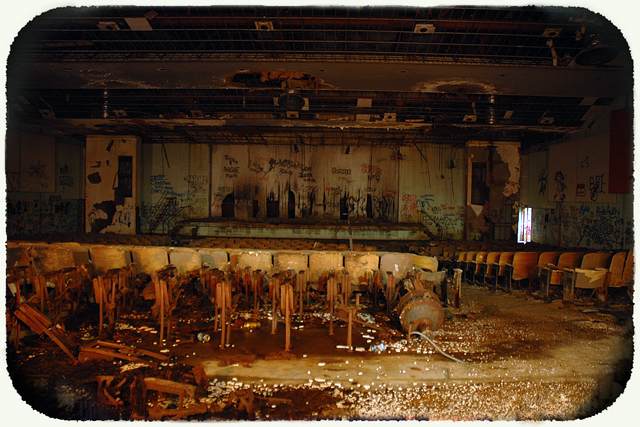
The inside of Byberry years after its closing. Another shot by Lampreich for “Hidden City.”

**********

Let’s digress a little and look into who the other person in the scuffle that killed Albritton was.

Frank (sometimes stated Franklin) Lewis Wienand (some documents and articles say Weinand) was born on Jan. 26, 1913, in Gladwyne, Pa., in Montgomery County to Charles Wienand, an electrical engineer for a paper company, and Martha Wienand, nee Righter, a housewife. Frank was a third-generation German-American; his paternal grandparents immigrated to the United States from Deutschland, probably between 1881 and 1884. (Montgomery County is adjacent and located to the north and northeast of Philadelphia County.) I wasn’t able to find out much about Martha Righter Wienand, other than she died in 1973. (Charles died in 1944.)

The family – including Charles Sr., Martha, Frank and younger brothers Charles Jr. and William Lloyd – apparently shuttled back and forth between Montgomery County, Pa., and Philadelphia during Frank’s childhood. Frank was the oldest of the three boys.

By 1940, Frank was living in Bucks County, Pa., adjacent to Philadelphia County to the northwest, and commuting to work at Byberry Hospital. His wife, Mary Stella Wienand (nee Herner), was also an attendant at the hospital and was a second-generation Polish-American. However, it must be noted that there exists discrepancies between various documents about Frank Wienand’s adult life, not the least of which is the different spellings of his name. Most of the contemporaneous articles I’ve found spell it Weinand, while many official documents, as well as a large family tree on Ancestry.com, spell it Wienand. Some sources list it as Wienant and Weinard, too.
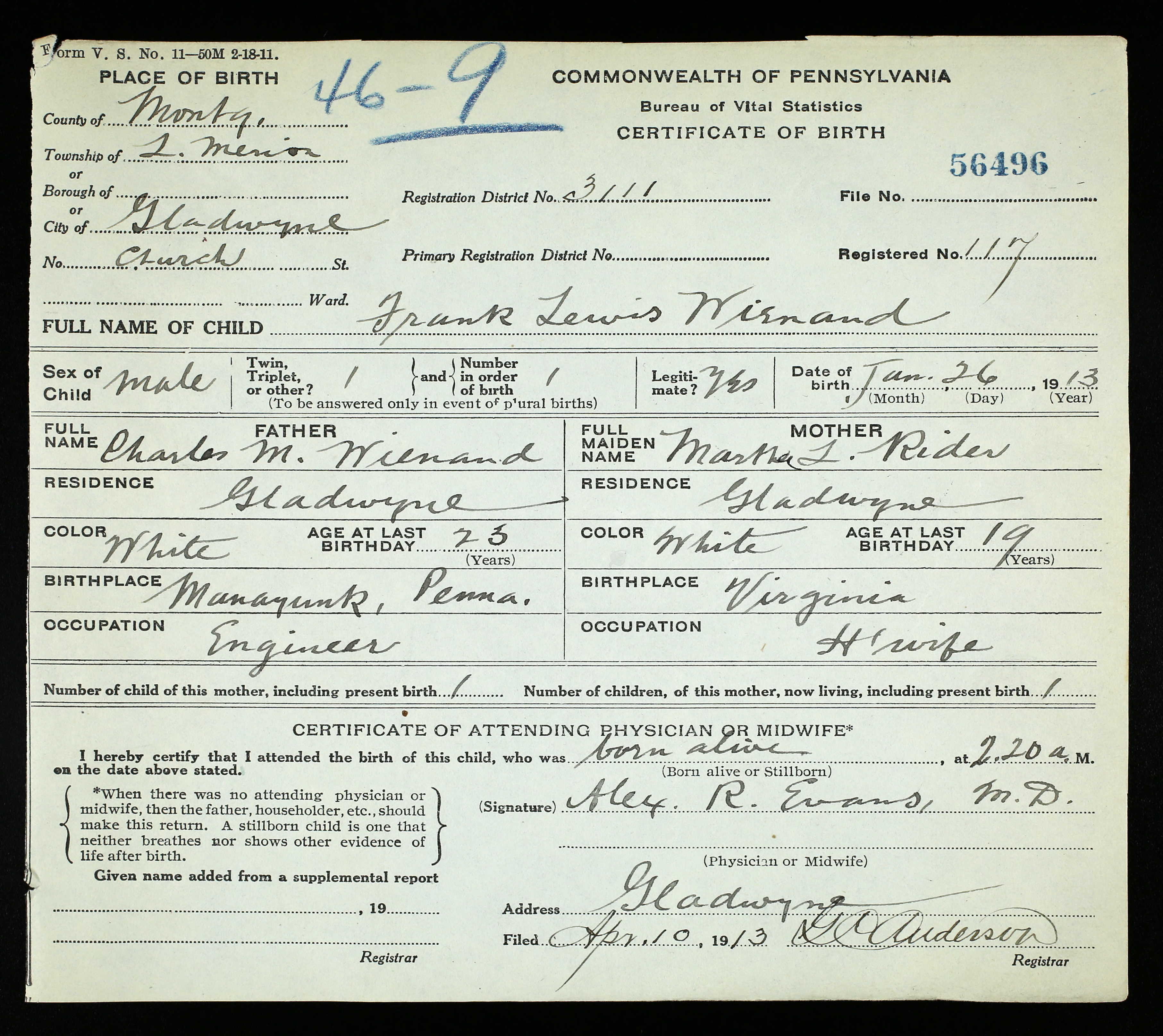
Frank Weinand’s birth certificate.

In Frank and Mary’s listing from the 1940 federal Census, dated April 9, 1940, two months after Albritton’s death, the couple is living in the Bucks County township of Middletown. However, on Frank Wienand’s World War II draft card, which is dated Oct. 16, 1940 – roughly eight months after the death at Frank’s hands of Alex Albritton – Frank reported that he lived in the borough of Langhorne, in Bucks County, and was still employed at Byberry.

After all the furor and, presumably, legal wrangling over Albritton’s death and the abhorrent conditions at Byberry – although criticism of the hospital would continue as long as it remained open, and even long after – Wienand seems to have had a relatively normal life.

Frank and Mary apparently had three children at some point – Frank Jr., Robert and Terry – and they were members of Langhorne Presbyterian Church for a while. There are scattered indications that the couple lived in Penndel and Hulmeville, additional boroughs in Bucks County. In 1962, Frank was called to jury duty in Bucks County, and his residence was listed as Penndel.

Mary Wienand died in December 1968 at the age of 61 from a heart attack. However, I’ve been unable to pin down for certain where and on what date Frank himself passed away; most likely he died in Langhorne, but while his Social Security records state that he died in December 1980, his precise date of death has eluded me. Those Social Security records list his last place of residence as Langhorne. (One curious detail from the federal records says Frank’s Social Security number was issued in Texas before 1951. I’ve found no other evidence that he lived in Texas or had any solid connection to the Lone Star State at any time.)
Details of a death, but questions remain

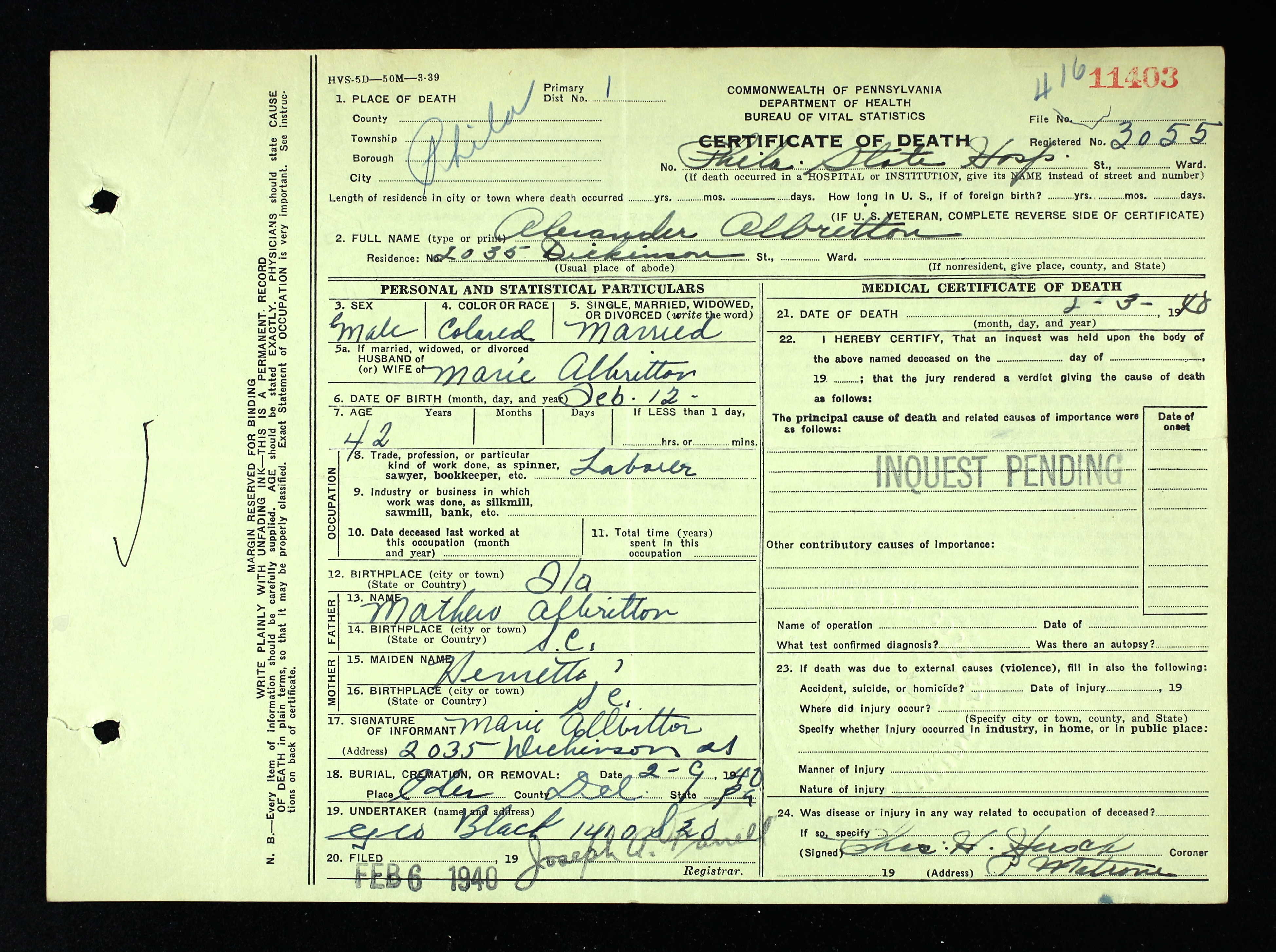
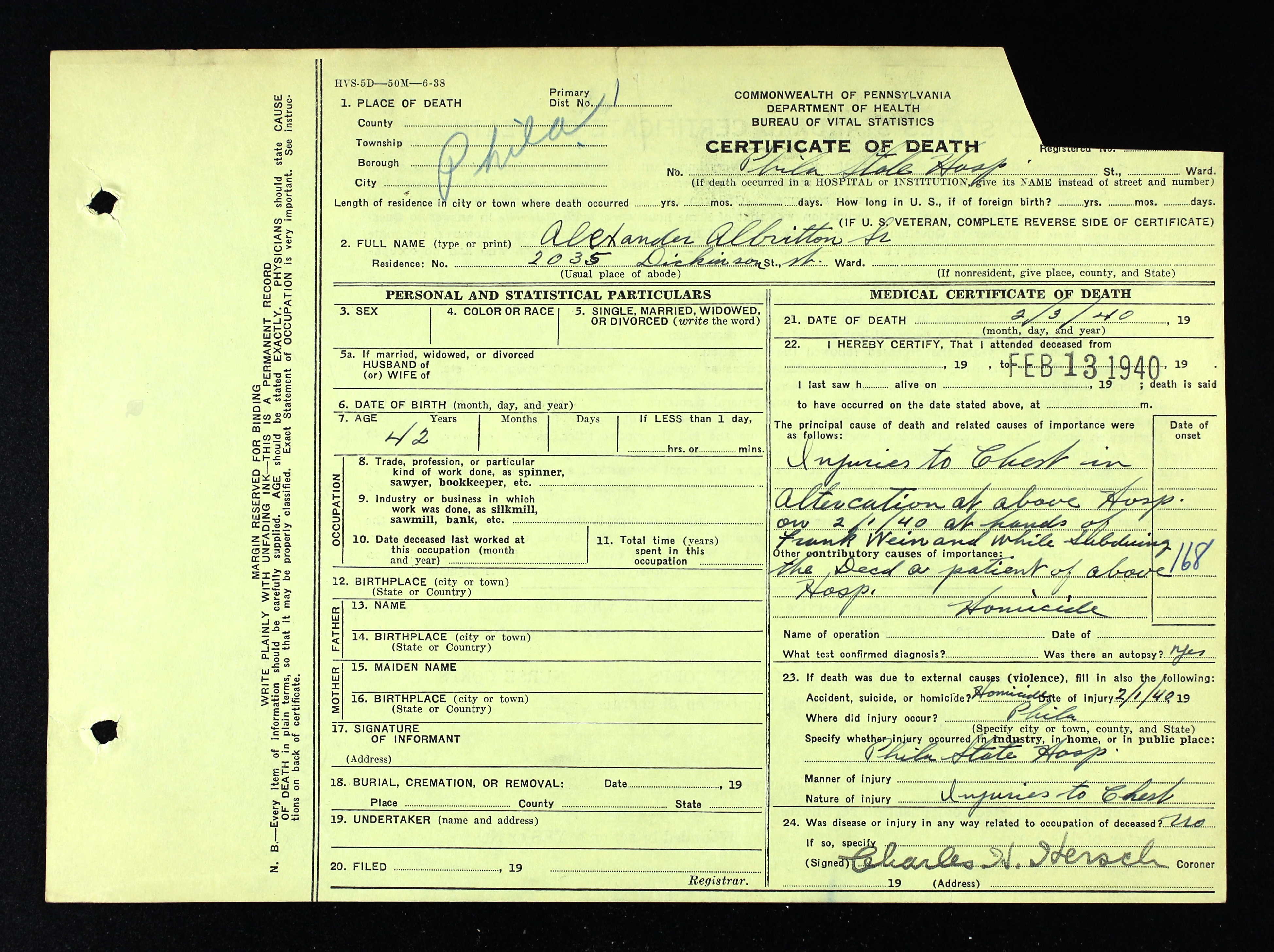
Alexander Albritton’s second death certificate.

To continue the Alexander Albritton story, I wanted to write a little about the event that makes his saga as intriguing as it is – the particularly tragic way he died.

His violent, horrific death at Byberry State Hospital in Philadelphia is, quite understandably, a discomforting, even disturbing subject to broach, let alone examine in detail. To do so, truthfully speaking, can feel particularly macabre or morbid.

But maybe Albritton’s death – including the at times graphic details – must be examined because it embodies some of the uncomfortable realities about life in decades and centuries past.

In Alex’s case, we find a severely mentally ill Black man killed during a violent altercation with a white hospital orderly who was ostensibly acting as an authority figure.

In Albritton’s situation, we have a death with questionable, unclear circumstances of a patient at a now-shuttered psychiatric institution that had a notorious reputation for deplorable conditions, overcrowding and abusive treatment of helpless, captive, suffering patients – a reality that, sadly, was endemic to mental hospitals in times past.

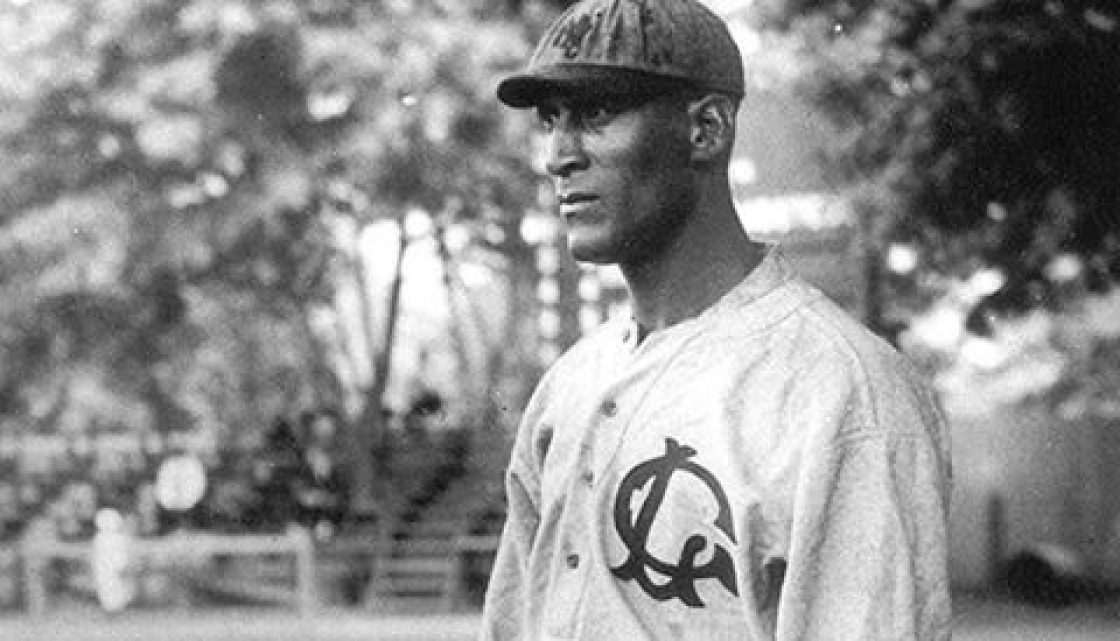
That, to me, is why the details of the death of Alexander Albritton, a major-league pitcher who played with and against some of the greatest baseball players and managers of all time, are worth examining – and questioning.

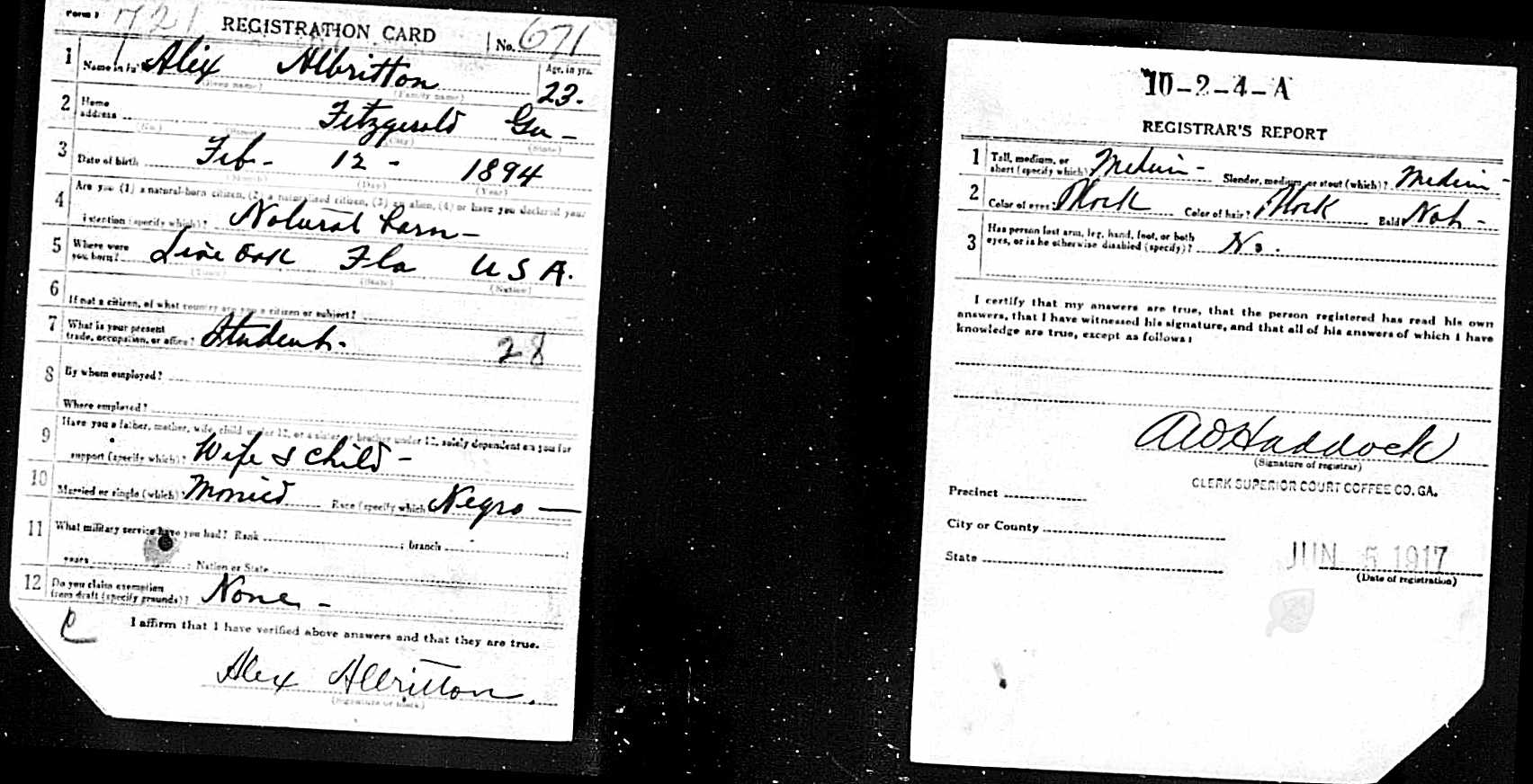
According to the Feb. 8, 1940, issue of the Philadelphia Tribune, Albritton’s wife, Marie, said he had been hospitalized “following a nervous breakdown” in January 1939, a little more than a year before his death in Byberry on Feb. 3, 1940, just nine days short of his Feb. 12 birthday. (The year of his birth varies; his World War I draft card gives it as 1894, while the 1900 Census states 1892. The 1910 Census indicates 1893, the 1930 Census asserts 1896, and his death certificate states that he was 42 when he died, indicating he was born in 1897.)

The Tribune article reported that, according to Byberry officials, the 160-pound Albritton, who had been committed to the hospital’s violent ward, “had delusions that he possessed much money, that he was the father of President Roosevelt [I’m assuming FDR, who was president at the time], and that God was always speaking to him …”.

The Feb. 10, edition of the Pittsburgh Courier asserts that Albritton “was found [on Feb. 3] sitting upright on a stool, stone dead, hastened to eternity by his injuries, at Byberry … .”

The paper further stated that he was found as such at 2 p.m. by an attendant, and that the superintendent of the hospital, Dr. H.C. Woolley, said that Byberry physicians had examined Albritton previously, right after learning of the patient’s Feb. 1 altercation with Frank Weinand, a white orderly who reportedly outweighed the former baseball player by 70 pounds.

That initial exam “found nothing wrong” with Albritton, and at an ensuing exam, at 1 p.m. on Feb. 3, “Albritton was stripped for a routine examination and still nothing was found wrong with him … .”

The Philadelphia Tribune, meanwhile, reported that when examined by staff right after the fight, Albritton “made no complaint. He had a few bruises but when [hospital staff] applied a cold pack to quiet his nerves, they were unable to obtain a coherent story from him.”

The paper said hospital officials reported that, apparently on Feb. 3, Albritton “again became violent. Wrapped in sheets to quiet him this time, he calmed down. Two hours later he was found dead.”

It seems, shall we say, incongruous that a 42-year-old patient who had, according to one report in The Philadelphia Inquirer (a mainstream daily paper) been “beat into submission” by a 31-year-old man who outweighed the victim by roughly 70 pounds, could be deemed injury-free, but then found dead, unattended, two days later.

Alexander Albritton’s WWI draft card.

That reflective dissonance could be because the extent of Albritton’s actual injuries remain a little unclear, just as they were 85-plus years ago. His death certificate states that he died from “[i]njuries to chest in altercation at above hosp. on 2/1/40 at hands of Frank Weinand while subduing the dec’d a patient of above hospital.”

The ultimate determination by coroner Charles A. Hersch, according to the death certificate? “Homicide.”

Still, that vague summary is just that – a summary. But what, exactly, were the “injuries to chest”?

The Inquirer reported that a post-mortem exam of Albritton found four broken ribs, a punctured lung, and contusions on the body and arms. The Baltimore Afro-American, though, quoted a police report that asserted Albritton “suffered broken right and left ribs, punctures of the lung, and lacerations of the lip and eyelids,” while The Philadelphia Tribune stated that the former ballplayer had been “[t]he victim of a severe beating the results of which were five broken ribs, a punctured lung and lacerated lip.”

The severity of the injuries inflicted upon Albritton by Weinand was so extensive that one police detective was quoted by The Tribune saying, “Allbritton [sic] appeared to be the victim of an unnecessarily savage attack.” The paper then quoted a hospital official responding to the detective’s assertion: “I wouldn’t go so far as to say that, but a man doesn’t get broken ribs easily.”

Which begs the question: What, precisely, did happen between Weinand and Albritton that would have injured the latter so badly that he was found dead two days later?

Again, there’s mainly vagaries. But the basic outline upon which all accounts generally agreed is this:

Weinand had earlier been charged with assigning tasks and chores for Albritton to do, and on Feb. 1, the attendant gave the patient a wooden broom with which to sweep up the ward. Albritton, for whatever reason, didn’t react well to the directive and attacked Weinand with the broom handle, cracking Weinand on the head with the instrument hard enough to cause a contusion severe enough to require several stitches. Weinand then physically subdued Albritton.

That outline leaves a pair of mysteries; One, why exactly did Albritton, as stated in some media reports, “go berserk” and attack Weinand?; and two, precisely what methods or actions did Weinand employ to “subdue” Albritton?

The first question will probably forever remain unanswered. Based on the assertions by hospital staff that Albritton heard voices and had specific delusions of grandeur, he was likely schizophrenic and possibly prone to periodic psychosis. He had also been committed to the facility’s “violent ward.”

However, it must be remembered that the overwhelming majority of people with mental illnesses, even those with severe cases, rarely if ever lash out with violence or threaten or cause physical harm to other people; in fact, they are much more likely to be the victims of violence, including on themselves. Many folks in the public only hear about the isolated, rare cases in which the mentally ill attack other people.

So we shouldn’t necessarily chalk up Albritton’s reaction to Weinand’s order as “crazy people do crazy things.” Just like so many asylums in the U.S. in times past, conditions at Byberry were deplorable, so much so that I imagine that living at the hospital could easily make patients extremely unhappy as it was.

Plus, the Feb. 17, 1940, Afro-American reported that during an earlier visit to the hospital by Albritton’s wife, Alex told her that “he was being ‘picked on’ by ‘someone around here’ and that he was going to ‘get even.’” He didn’t give any names, however, so it’s uncertain whether his bully was, in fact, Weinand.”

Albritton’s initial death certificate.

Which brings us to the actual fight on the day of Feb. 3, 1940. Investigators with both the Philadelphia police and the hospital attempted to piece together what happened, but unfortunately, they were unable to assemble the entire picture because it lacked the input of one of the two key players – Alexander Albritton himself. However, it would be fair to note that if Albritton had survived, the reliability of his testimony given his psychological conditions might have been somewhat weak.

According to an article in The Philadelphia Inquirer from Feb. 5, 1940, investigators, after initial interviews with Weinand and several WPA workers who were present, laid out what they believed happened.

According to their story, Weinand had handed Albritton “a heavy broom, of the type used to sweep streets” and directed the patient to sweep a cellar way in one of the facility’s violent wards. As Weinand then turned away, Albritton allegedly swung the broom and hit Weinand on the head, causing the orderly to fall to the floor with a gash on his head.

Added The Inquirer: “The broom handle broke and Allbritton [sic] continued to belabor Weinand with the broken portion until the latter regained his feet and grappled with his attacker. Other attendants assisted Weinand in overcoming the deranged man and removed him to the infirmary for treatment to quiet his nerves.”

Weinand was arrested by detectives at his home in the borough of Hulmeville, Bucks County, Pa., on the night of Feb. 3 and appeared before a magistrate the next day. He was charged with homicide and held without bail pending the result of a coroner’s inquest. (Bucks County is adjacent to Philadelphia and considered a large suburb of Philly.)

However, it only took a day for Weinand to be informally but virtually absolved of any wrongdoing in Albritton’s death after three separate reports – by the Coroner’s Office, the PPD and the state police – determined that Weinand used necessary force to subdue Albritton. Weinand was released from jail a little while later.

While the white press reacted to the clearing of guilt for Weinand with much of the typical, passive credulity regarding the official line that the media of the day usually viewed matters of race, the country’s African-American media was, shall we say, significantly less willing to swallow the legal absolution of Weinand.

For example, within its Feb. 10, 1940, article about Albritton’s death, The Pittsburgh Courier included a paragraph bulletin of breaking news, and the paper didn’t mince words:

“Investigators Tuesday applied the whitewash on Byberry for the death by beating of Alexander Albritton, former star Hilldale pitcher. In absolving physicians and attaches of blame in the fatal beating, the implication was that [g]uard Frank Wienand [sic] was justified in cracking Albritton’s ribs, puncturing his lung and administering to him a savage beating.”

“Investigators Tuesday applied the whitewash on Byberry for the death by beating of Alexander Albritton, former star Hilldale pitcher. In absolving physicians and attaches of blame in the fatal beating, the implication was that [g]uard Frank Wienand [sic] was justified in cracking Albritton’s ribs, puncturing his lung and administering to him a savage beating.”

Pittsburgh Courier, Feb. 10, 1940

The Philadelphia Tribune interviewed three local Black doctors for the paper’s  Feb. 8, 1940, article on the incident, and all three expressed astonishment that Weinand could have inflicted as much injury to Albritton as he did.

“Why, a person would practically have to stomp on a man’s chest to break five ribs,” one physician said, while another asserted that “[t]o beat a man to death requires great strength. Ribs aren’t easily broken with fists. I would say that some heavy instrument was used in this case.”

Even with all this media reportage, I couldn’t pin down precisely how Weinand’s case proceeded through the criminal justice system. Following the news of the investigations informally clearing him, he seems to have stayed in jail pending a coroner’s inquest. 

On Feb. 6, three days after Alex’s death, Coroner Charles Hersch issued an initial death certificate for Albritton that left the cause of death section simply stamped “inquest pending.” However, I couldn’t find any news coverage of the results of that inquest or even when it took place.

Hersch did eventually file a second death certificate, but it contained several inconsistencies and incomplete information. The cause of death was listed as “homicide” as a result of severe chest injuries “at the hands of Frank Weinand while subduing the dec’d [deceased].”

However, there’s no filing date given, just a death date of Feb. 3, 1940, which is consistent with the first death certificate. In addition, the date of Feb. 13, 1940, is stamped in the section for when a doctor attended to Albritton’s death and when the doctor last saw Alexander alive. (In another deviation from the first death certificate, the second document is supposedly signed again by Hersch, but the handwriting is blatantly different than on the original certificate.)

That means the inquest might have happened on Feb. 13, but again, I’ve found no confirmation for that inference. Moreover, an article in the Saturday, Feb. 10 Philadelphia Inquirer has the charge downgraded to manslaughter, with Weinand still being held in jail without bail.

But that Inquirer article also reports, though, that Weinand’s attorney had obtained a writ of habeas corpus, and that a court hearing would be held concerning the writ the following Tuesday, Feb. 13, at which time Weinand’s attorney “will seek to show at the hearing that Weinand struck the patient in self-defense.”

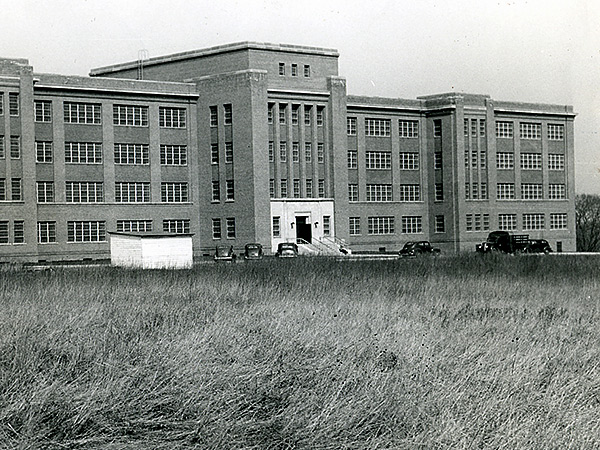
Byberry hospital.

Then, on Feb. 21, 1940, according to news reports, was released from jail under $1,000 bail as a result of the habeas corpus hearing, and that Weinand’s trial had been scheduled for some time in April.

But that’s all I could glean from newspaper reports. Police, jail and court archives from Philadelphia in 1940 might be able to clear things up, but at the moment that doesn’t appear possible online, and I can’t travel to Philly to look up the information in person – if those records still exist at all.

It should be noted that in the fall of 1940, news reports show that Weinand had been issued a questionnaire by the draft board for possible military service. The newspaper listings state that Weinand was living in the borough of Bristol in Bucks County.

That seems to indicate that he wasn’t in prison at that time, which would mean he was either legally exonerated of the crime or that he was found guilty of at least one but given a relatively light sentence. Again, I’m not sure on this matter.***

Meanwhile, Alex Albritton’s 37-year-old widow, Marie (nee Brooks), reportedly retained attorney Raymond Pace Alexander to advocate for further investigation into her slain husband’s death; however, how that lobbying for more investigation turned out, I’m not sure. Marie seems to have then at some point moved to New Jersey, where she died in the city of East Orange in 1975.

(Pace Alexander spent a lengthy career fighting for Civil Rights, particularly advocating for public or commercial entities to stop excluding or barring people of color. He later became a Philadelphia city councilman and later was the first Black judge on the city’s Common Pleas Court, eventually becoming the court’s senior judge before dying in 1975.)