The basepath less beaten

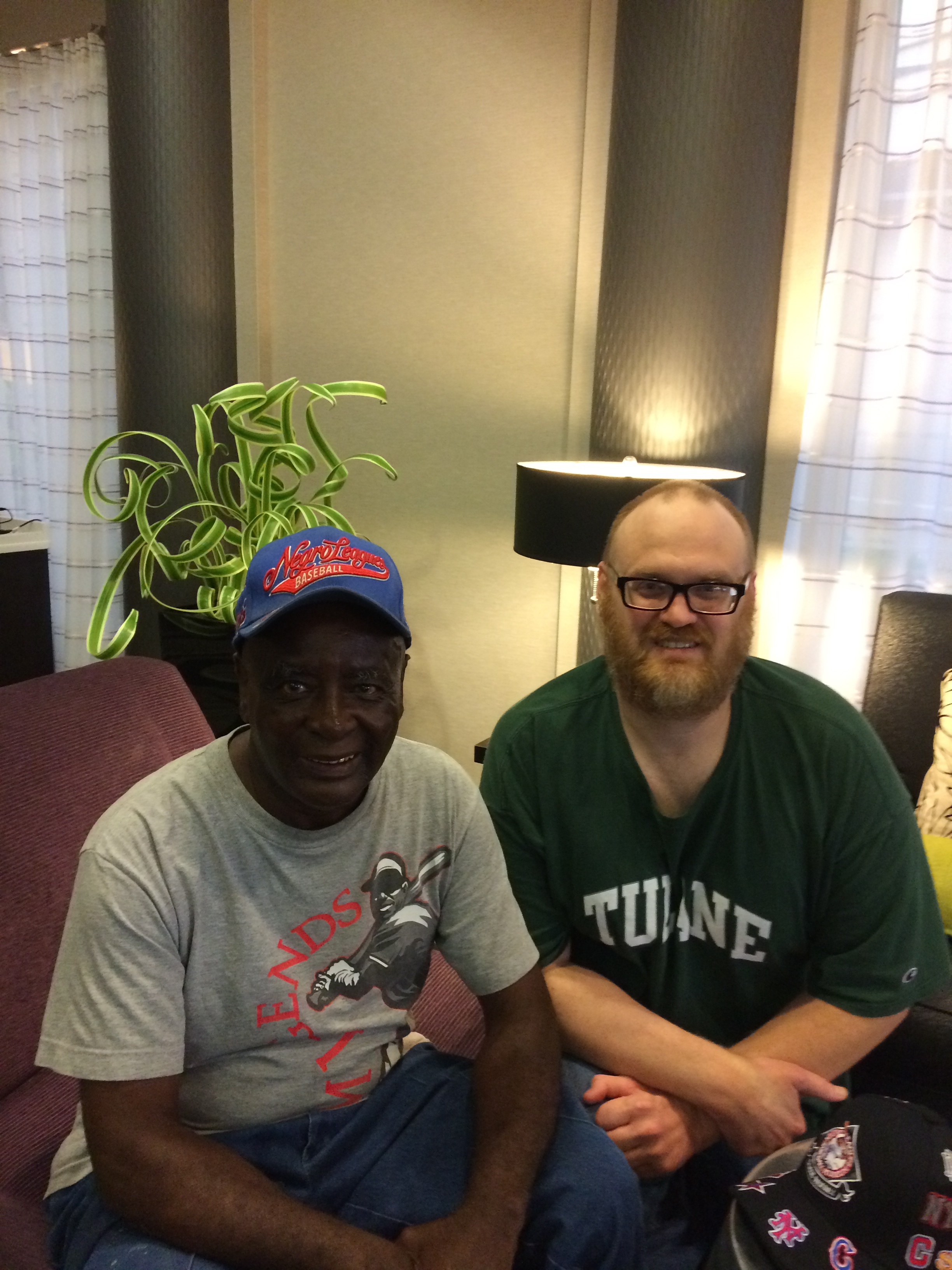
IMG_3863

It seems I might have reached a possible turning point in my career and my life. Probably not a permanent one, but one necessitated by health reasons, psychological stress and plain ol’ burnout.

I was, to say the least, not at my best during this year’s SABR Malloy conference, held in Kansas City. I was out of commission most of time, for which I greatly apologize to Larry, Leslie and all of my friends and my peers. I was truly looking forward to seeing everyone and catching up on the past year exploring blackball lore.

Quite simply, I had pushed myself too hard, especially given my ongoing disabilities and battles with brain disorders. Within a couple months I made three out-of-state trips — one to visit family, and two for Negro Leagues events — eight days of dog-sitting that included food poisoning from alligator sausage (true story), five article deadlines/edits and a downturn in my mom’s help.

Actually, I’m leaving NOLA Tuesday for Rochester for 12 days to help her transition back to her apartment from the rehab center. She’s doing much better now, but it was pretty scary at times. So for the next couple weeks, much of my attention, energy and love will be focused on getting her back on her feet.

But there’s something deeper than that as well, something that’s kind of gnawing on my noodle — I’m burned out from historical baseball research. I feel so horrible for saying that, but I think it’s true. For four years I’ve been harassing editors for assignments — and then getting them to actually pay me, which often is like the proverbial teeth-pulling — to both pay the bills and to pursue my passion for the Negro Leagues and other segregation-era African-American baseball subjects.

In doing so, I had an absolute blast, I learned more about our collective past than I ever thought I’d find, and I met and befriended some incredible, incredible people, developments that have often buoyed my spirits and kept me chugging along.  I’ve also been blessed with a far-reaching and dedicated network of family and other friends who have kept me from bottoming out and supported me in my efforts to both enjoy my career and continue working on solving the health issues that have dogged me for more than two decades.

But while all this was going, by the time 2016 rolled around, I realized I was, in fact, pushing myself too hard. I churned out so much copy, dug through so many databases and tracked down so many interviews. I was setting the bar unreasonably high, and I just kept on raising it. Part of the motivation for doing so was financial — when you’re on a limited income, you gotta do whatever you can to make ends meet — and part of it was psychological as well.

And in the end, I just collapsed, an outcome born out by my disheartening showing at the Malloy. I’m simply burned out, and I’m still in the process of catching my breath, taking stock of the situation and figuring out where to go from here.

And that could be bearing fruit — I feel like I’m starting to grab hold of a new direction in my life. Well, maybe not a new direction, but an adjusted one. I think I’m recalibrating my GPS — or retraining my compass, ’cause after all I did earn Orienteering merit badge as a Boy Scout — and focusing on a different spot on the horizon. And other such cliches, lol.

Don’t worry, the Negro Leagues will still be heavily involved, just in a different context. At this point, I need to step away from the intense, down ‘n’ dirty, turn-over-every-shell-for historical pearls that can seem so frustratingly elusive at times. I love digging into the intricacies of our past, but for now I need to take a break from it.

Enter the new focus. Over the years I’ve experienced some pretty heady stuff and visited a lot of cool places. It has certainly not been easy — in fact, it often has been quite painful — but I wouldn’t trade my 43 years on earth for any others. My trials, travails and travels have made me the man I am today. I’ve survived a lot and forged ahead, and I’m working very hard to actually be a little proud of myself and give myself an ounce or two of credit for my accomplishments, both professional and personal.

I’ve had quite a life. Now I want to write about it. I want to tell my story, and I want to weave it around and within my experiences investigating and loving blackball history and its legacy. I haven’t exactly figured out the intricacies of how I’m gonna do that — it’s a work in progress, a play-it-by-ear sorta thing. But I want to just … write. Let it out, let it flow, and see where it goes.

I’d even maybe like to pull all the disparate strands of thinking and remembering into a greater whole — a book perhaps? For two decades, I’ve wanted to be an author, but I’ve never hiked up my belt, tied my boots and got up the gumption to actually do it. (Oh, and if anyone reading this might have any ideas or suggestions for getting there, I’d welcome all the help I kin git.)

So here I sit, hopefully on the precipice of a new dawn, the rising of a new sun and the start of a new day. And I’m looking forward to seeing where it goes. I’ll try to put up some posts when I can, but I’m gonna try not to sweat it. Whenever I feel I got something cool to say, I’ll do it. So please be patient!

For now, then, I’ll sign off, but I’ll see you again soon. Thank you all for continuing to read this here humble production, and for all the support in general. I feel like you all are my family — by blood, by experience and by simple ol’ friendship — and I’m grateful for it all.

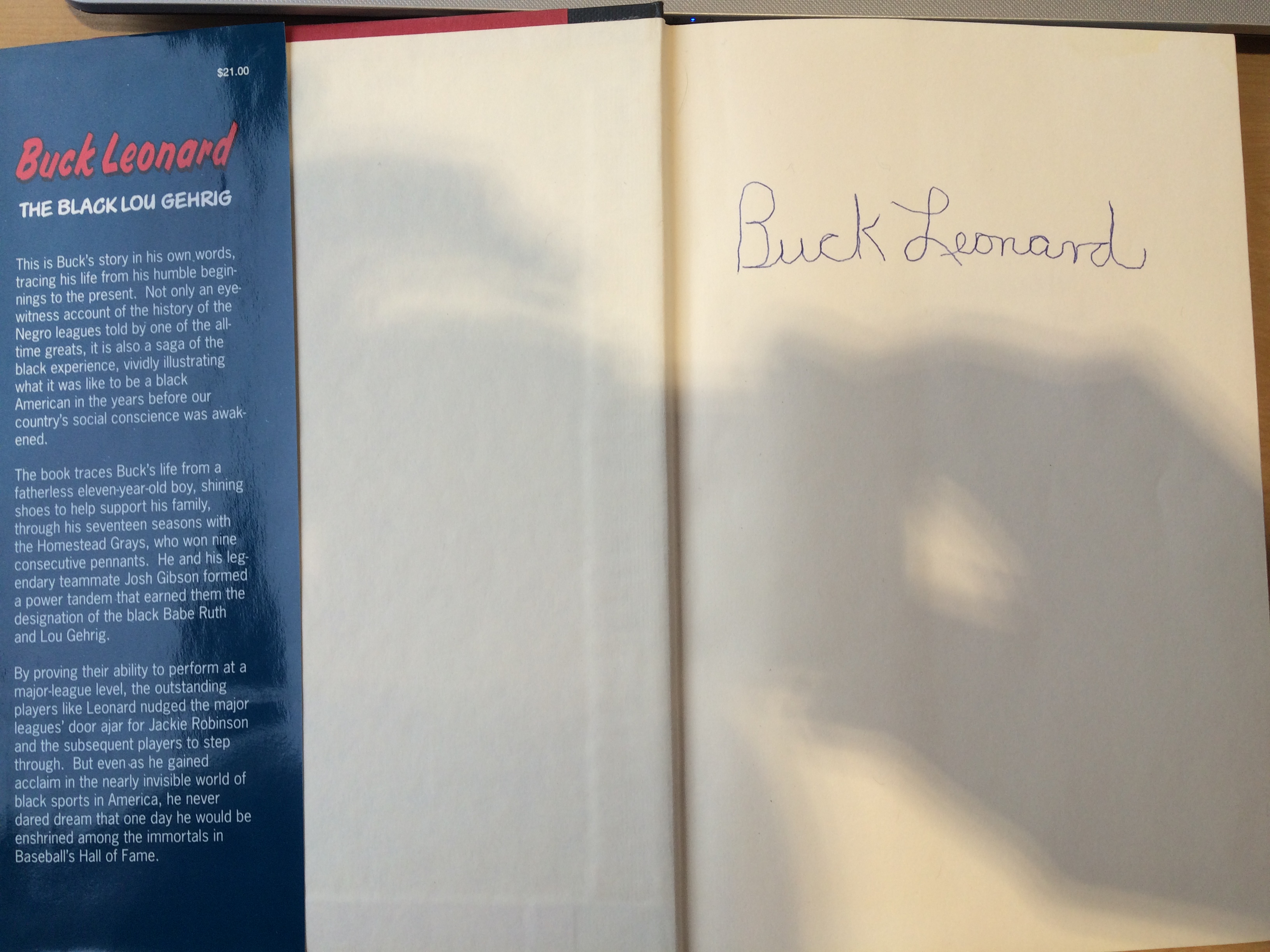
Right now, I’m just continuing to build a belief in myself as a person and as a writer. It’s naturally an ongoing process, but it’s steadily getting there. I’ll leave you with a quote from Buck Leonard. I met him at his house in 1995, just a couple years before he died, an experience I’ll most assuredly tell you about soon, and an experience during which he was gracious enough to sign my copy of his biography, pictured at the start of this post.

This quote is, actually, from his autobiography, from a section in which he selects his all-time Negro Leagues team: “Most people put me on the team at third base, but I won’t talk about myself here except to say that I always had confidence in my ability.”

There’s one more quote from Buck’s book that doesn’t really apply to me personally (I’m certainly no Wendell Smith or Grantland Rice), but it’s an appropriate one now that the Hall of Fame is once again open to blackball stars, and it touches on a topic I’ll definitely return to here and there:

“I just hope that the deserving players from the Negro Leagues begin to get in the Hall of Fame with the rest of us. I don’t understand why they keep passing over them every year.”

A holiday extravaganza of black baseball

CCPHOT-1

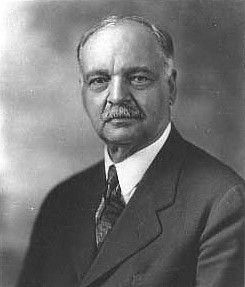
Former Vice President Charles Curtis

It’s been way too long since I’ve gotten off my big duff and back on the blogging trail, for which I apologize tremendously. I’ve had trips to visit family and a week of dogsitting a surprisingly spry 10-year-old golden retriever named Van Gogh.

I’ve also been kind of bogged down by the sheer mass of stuff about which I’ve wanted to write lately – it’s been so hard to pick out which juicy topic to attack first and bring to y’all.

As a result, which this post on the Fourth of July, I’ve tried to tie in as many of these scattershot subjects into one post. I’ve also hopefully come up with something quite appropriate for the 240th celebration of our country’s independence from those dopes who just voted to tank the global economy. (I want to note, though, that both Northern Ireland and my distant relatives in Scotland voted for sanity and to stay put, but their level-headedness was overwhelmed by a slew of jingoistic knuckleheads. Alas.)

Anyway, this post is about that most American of cities, Washington, D.C., and it also brings a whole bunch of stuff together.

But fair warning – this is the longest blog post I’ve ever written. It’s several thousand words long, so be prepared. Hopefully I’ve put it together well enough that it flows in some coherent manner, but I’m sure at spots it rambles a little too much and skips off into the meadows every once in a while.

So here we go …

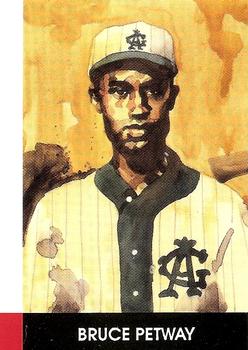
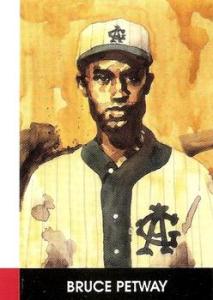
One subject that I’ve unfortunately let wither over the last month of inertia is legendary catcher Bruce Petway, one of the best African-American backstops of the 1910s and ’20s and arguably one of greatest defensive catchers in baseball history, black or white.
89415-6376203Fr

Bruce Petway

I wrote a post about him here, but that was a while ago, and, with his 100th birthday being marked today, Independence Day, I figured it might be a good time to revisit his story. In

addition, this month I have an article out in Nashville Lifestyles about Petway – a native of the Music City – and the Negro Leagues scene in that Tennessee metropolis.

As my work on Petway progressed, I strove to pitch a story or two to publications in Detroit, where Petway had suited up most famously for the Detroit Stars from 1919 to 1925.

But here’s a twist – over the last year of researching Petway’s life and career, at the same time I’ve been poking around some other quirky topics embedded in blackball history. One strand of inquiry stemmed this year’s already volatile presidential campaign and upcoming election in November. I was curious about whether any politicians – especially presidential candidates – from the past, in an effort to court the African-American vote, ever appeared at Negro Leagues games or events in any official capacity.

Another low hanging piece of historical fruit in which I’ve always been interested is the 1932 East-West League, an effort by Cum Posey, the Hall of Fame owner of the Homestead Grays, to pull together a formal Negro League after the demise of the first Negro National League the previous year. The NNL’s disintegration meant led to the prospect that the 1932 baseball season would pass without a top-level, or “major,” Negro League in existence, and Posey attempted to fill that void.

Theeeeeeen, while all that was going on … I’ve been working steadily (although, unfortunately, I admit, not as diligently as I should) on an article for a publication in Charleston, S.C., about that city’s involvement in the landmark 1886 Southern League of Colored Base Ballists, the first known attempt at a regional professional “colored” base ball (two words back then) circuit. Springing from my work in that area was a curiosity about any other important Palmetto State connections to African-American hardball.

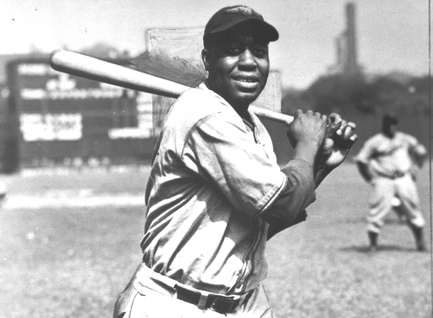
Aaaaaaaaaand, while all of that stuff was percolating, I had in the back of my mind that 2016 – July 9, to be precise – marks the 50th anniversary of the death of Hall of Fame first baseman and legendary blackball slugger Mule Suttles, which prompted me to investigate any ways I could write about that milestone for various publications.

Mule Suttles

Mule Suttles

With all of these lines of inquiry floating around in my noggin, I eventually – and, perhaps, unlikely – tripped over a topic that amazingly brought all of those strands together – the Washington Pilots.

While much of this thought process tumbled along months ago – therefore, admittedly, rendering my memory of the whole thing a little fuzzy – I think my first inkling about the Pilots was stirred by my poking around the whole politics angle.

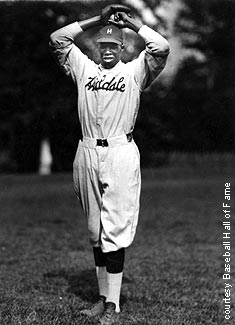
As I was searching various databases for info about politicians visiting Negro League games, I came across this post by Gary Ashwill on his outstanding blog, Agate Type. In the piece, Gary discusses how, in May 1932, then-Vice President Charles Curtis appeared at Griffith Stadium to throw out the first ball at the opening game of the … 1932 East-West League! The teams taking the field that day? The storied Hilldale Club of Philadelphia and … the Washington Pilots!

Setting aside the baseball angle for a moment, Charles Curtis, despite an intriguing personal story, seems to be relegated to the dustbin of American political history. Curtis, who interestingly possessed a strand of Native-American lineage, was a native of Topeka, Kan. Born in 1860, about a year and a half before the start of the Civil War, became a lawyer in young adulthood before scaling the political heights – first as an eight-term Congressman, then as a U.S. senator from Kansas from 1907-1913, then again from 1915 through 1928.

That experience turned Curtis into a major power player in D.C., where he served first as the Republican whip in the Senate, then as party majority leader. He specialized in Indian relations, national defense, natural resources and, most crucially, agriculture. He also solidified his reputation as a strict, dedicated adherent to the rule and letter of the law.

That tenure, especially his advocacy of farm relief, prompted GOP presidential candidate Herbert Hoover to select Curtis as his running mate. The pair triumphed in November 1928, with Hoover succeeding fellow GOP president Calvin Coolidge, who had retired.

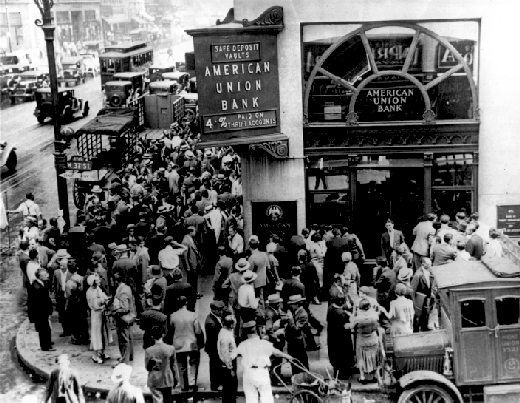
But then disaster happened – the stock market crash of October 1929, which plummeted the national economy into the Great Depression, a situation that immediately and starkly soured the American populace on the Hoover administration.
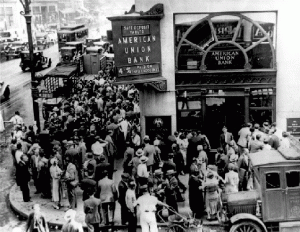
American_union_bank

A panicked crowd mobs a New York bank after the crash

The administration’s feeble attempts to pull the country out of the Depression were utterly dismal, and the economic morass dragged on and on. At the same time, the Democrats nominated the charismatic, ambitious – and, some say, visionary – Franklin D. Roosevelt as their candidate, making the 1932 presidential election essentially a referendum on the future of the national economy and the role government should play in it.

Needless to say, Hoover and Curtis had a massive uphill battle facing them, which doubtlessly prompted Curtis to campaign tirelessly in an effort to boost the Administration’s abysmal public approval rate.

At that time, the Republican Party was still the go-to organization for most of the country’s African-American voters, or at least the ones outside of the South, where Jim Crow had for decades shut blacks out of the political process. The GOP remained “the party of Lincoln,” the Great Emancipator.

Meanwhile, the Depression had hit the country’s African-American population especially hard; by 1932, black unemployment hovered around a staggering 50 percent, significantly more than the population as a whole, and white animosity toward black workers constantly simmered just below the social surface. In addition, the U.S. military remained segregated, and lynchings continued to be a rising scourge on black life, especially in the South.

As a result, it could be argued that Hoover/Curtis, as the standard-bearers of the supposed “party of Lincoln,” knew they needed to court the African-American vote. One way to do that? Show up at a Negro Leagues game and mug for the cameras.
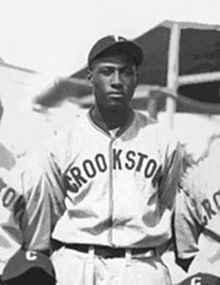
Chet_Brewer_Crookston

Chet Brewer

Thus, perhaps, Curtis’ involvement in the Washington Pilots-Hilldale Club game in late May 1932. The VP’s presence did indeed make a splash in the media, especially the African-American press, which ran huge photos of Curtis winding up to throw out the first pitch from the stands. The Pilots’ Chet Brewer received the toss while other national officials – such as Assistant Attorney General C.B. Sisson and Republican National Committee director A.H. Lucas – looked on. Also in the VP’s box in the stands were Pilots officials H.E. Jones, R.B. McCoy and John Lucas (apparently no relation to A.H. Lucas), and more on that trio later …

Alas, all such PR efforts failed for Hoover and Curtis, who were crushed by FDR in the general election, triggering a massive political realignment in the country. Roosevelt famously launched the New Deal, which greatly enlarged the size of government by creating several social welfare programs that still exist today, as well as intensive job-building efforts such as the Works Progress Administration.

Coupled with the GOP’s distinct hesitation – as embodied by Hoover’s previous policies – to involve the government in addressing the Depression – FDR’s policies turned the Democrats into the country’s supposed “progressive” party and the GOP into the “conservatives.”

With that, the country’s black population gradually shifted its allegiance to the Democrats, a trend strengthened a couple decades later, when the GOP’s Richard Nixon launched a concerted effort to turn the conservative white South into a Republican-dominated voting bloc — the infamous “Southern Strategy.

To wit, here’s an excerpt from an article on the Library of Congress Web site:

“Although most African Americans traditionally voted Republican, the election of President Franklin Roosevelt began to change voting patterns. Roosevelt entertained African-American visitors at the White House and was known to have a number of black advisors. According to historian John Hope Franklin, many African Americans were excited by the energy with which Roosevelt began tackling the problems of the Depression and gained ‘a sense of belonging they had never experienced before’ from his fireside chats.”

Curtis, meanwhile, retired from public office after leaving the vice presidency but did maintain an interest in public affairs before passing away in February 1936 and being buried in his native Topeka.

Although Curtis has become little more than an historical footnote – the unfortunate fate of many a vice president, but especially for a one-termer who served in one of the most unpopular administrations of the last 100 years – he remains respected by historians for his character and dedication to serving the people. He received similar plaudits from the contemporary press at the time of his death. Stated the Feb. 9, 1936, New York Times:

“He was one of the few Vice Presidents positively to enjoy the office. He relished those social obligations even a partial census of which makes you think of the interminable drudgery of a Prince of Wales or a Royal Duke. He worked hard. It was a pleasure for him to play hard. …

“He was’ a character.’ His shirt was unstuffed. Within the circle of his doctrines, he served his country well. But it is the man with good Tawny blood in him and some tang of the frontier, his friendly qualities, his veracity, his little harmless vanities, that gained the good-will of persons who hated his politics.”

(Question: Does anyone know what Tawny blood means?)

But enough of my babbling about politics – I did, after all, double-major in political science as a undergrad, a decision that has often remained useless throughout my journalistic career.

Back to baseball! …

Thus, thanks to Gary Ashwill’s post, I was tuned into the Washington Pilots. And, because the Pilots were members of the 1932 East-West League, this newfound knowledge intersected with my ongoing interest in that Cum Posey-led circuit.

Then I checked out some of the players on the Pilots’ 1932 roster, a list that included … Mule Suttles, who died exactly a half-century ago this week! Bingo! Another strand of research leads to a central vortex of history.

In addition, one figure who was heavily involved in the creation of the East-West League was Hall of Famer Ben Taylor, a first sacker and one of the famous Taylor brothers quartet who collectively played an intricate roll in the development of Negro baseball for three decades in the first half of the 20th century. The Taylor brood also included famous siblings C.I., Candy Jim and “Steel Arm” Johnny.
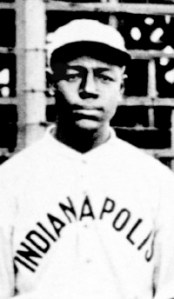
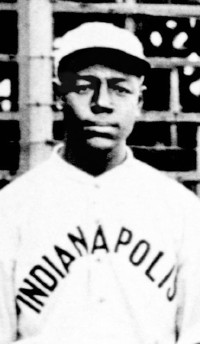
Head & shoulders portrait of newly inducted Hall of Famer, Ben Taylor, 1st baseman of the Negro Leagues. Photo taken from team portrait of the 1915 Indianapolis ABC's.

Ben Taylor

Taylor did indeed get in on the ground floor with the new league, even playing a crucial role in the discussions that coalesced between various owners and execs in late 1931, after it became clear that the (first) NNL was kaput.

As it turned out, one of the final and most conclusive meetings occurred in Washington, D.C., in mid-October. In an article in the Oct. 24, 1934, issue of the Baltimore Afro-American, special correspondent S.B. Wilkins reported that a group of mostly Eastern baseball moguls had agreed to pull together a new, eight-team league.

However, what were termed “Western observers” also showed up, including Ben Taylor, who was ostensibly representing the Indianapolis ABCs. On top of that, the article asserted that Taylor was one of several managers at the meeting who were seeking gigs with one of the new eight franchises.

Also, most interestingly, Wilkins reported that Taylor had previously proposed an East-West league that encompassed aggregations from both the East Coast and the Midwest, but Wilkins wrote that the proposal “was deemed inexpedient at this time.”

However, at some point the nascent loop’s execs did, in fact, decide on an East-West League, apparently picking up on Taylor’s previously rejected idea. And while Taylor didn’t land a managerial job in the circuit, league execs tapped the venerable member of Negro baseball’s first family an umpire for the upcoming season. In fact, the Afro-American’s Bill Gibson reported, in cryptic-yet-common-for-the-day language, in April 1932 on the league’s targeting of Taylor for the blue crew:

“And before I leave the local baseball situation, I understand that ‘Uncle’ Ben Taylor, who piloted the Sox through many successful seasons, is being sought by the East-West League as an umpire. The pillar is for Ben. He fits into the picture nicely, eh, wot?”

Wot?

Added Pittsburgh Courier columnist Rollo Wilson a few weeks later:

“While Ben Taylor has not been conspicuous as an umpire, his background is such that he should be a success. Serving as a player, manager and owner, he is familiar with every angle of the game.”

Added an un-bylined article in the same issue of the Courier a few weeks earlier:

“Benjamin H. ‘Brother Ben’ Taylor, famous scion of that of that illustrious Indianapolis baseball family, has been appointed as one of the umpires in the East-West League. Ben handed in his application when the league moguls met in Washington after failing to land a berth as manager of one of the clubs in the loop. Taylor’s decision to take umpiring is commendable due to the fact that Ben, for many years star first baseman of his immortal brother C.I.’s Indianapolis ABCs, is the first one of the major stars to give consideration to turning to another part of the game that they know so well.”

So, hmm, though, where else did I know Ben Taylor’s name from … Oh right, from my digging around South Carolina Negro League history – Ben was from Anderson, S.C.! He was born in that burg on July 1, 1888, and went on to enjoy a lengthy, diverse, well traveled Negro Leagues career that led to posthumous induction into Cooperstown in 2006.

Enhancing this wild and wooly tale is the fact that the 1932 league wasn’t Ben Taylor’s only link to the nation’s capitol – in 1923, he helped conglomerate the Washington Potomacs, who a year joined Philadelphia’s Ed Bolden’s Eastern Colored League, which served as a second “major” Negro League to rival Rube Foster’s NNL from 1923-28 before its own demise. The ECL became notorious for its renegade ways, which included raiding NNL teams for talent and brashly challenging the NNL to the nation’s first editions of a “Colored World Series.”

Ben Taylor recruited his brother, Steel Arm Johnny, to anchor the Potomacs’ pitching staff. However, the Potomacs – and therefore the Taylors’ tenure in D.C. – didn’t last very long. Ben Taylor bailed after the ’24 season, and in 1925 the franchise shifted to Wilmington, Del., where it quickly collapsed altogether. (Want more on Delaware, btw? Check out this, this and this. The history of blackball continues to be complex but always interconnected.)

(Also, it should be noted that at least one online biography and directly links Taylor of the Washington Pilots themselves, but I’ve found no real proof of that.)
steel+arm+johnny_taylor

Steel Arm Johnny Taylor

Sooooo … so far in this winding narrative the Washington Pilots have brought together presidential politics (via VP Curtis), Mule Suttles (the Pilots’ Hall of Fame first baseman), South Carolina (via umpire Ben Taylor) and the 1932 East-West League (in which D.C. was a charter franchise).

Now, what about some of the other topics that’ve been careening around my brain – namely, Bruce Petway and the Detroit Negro Leagues?

That’s where the story of the Washington Pilots themselves comes into play. It’s also where I must apologize for now engaging in a moderately embarrassing bait-and-switch. …

Petway didn’t play for the Pilots, and I couldn’t find any meaningful connection between him and the franchise. I know I roped you in partially by hinting at more Bruce Petway with this, but alas, there really isn’t.

But there is, via him, a connection between the Pilots and the city of Detroit … Petway spent the latter half-dozen years of his career with the Detroit Stars, one of the top teams in the later days of the first Negro National League.

And Detroit ended up playing a crucial part in the Pilots’ story, as we shall see …

The nation’s capitol played a key role in the plans of the East-West League from the very beginning – in February 1932, the press trumpeted the creation of the Pilots, whose ownership, including John Dykes and Bennie Caldwell, were immersed in the D.C.’s vibrant club, social and cultural scene, a fact that made them, seemingly, a strong asset to Posey’s nascent circuit.

For example, in January 1932, the Baltimore Afro-American’s Trezzvant W. Anderson penned a gushing piece about how teenaged Elmer Calloway, kid brother of famous swing band leader Cab Calloway, had secured  the gig as house band leader at the businessmen’s Club Prudhom. The joint’s owners, in turn, displayed their penchant for success and all things outsized and glamorous. Wrote Anderson:

“Entering the Club Prudhom was the first ‘big’ assignment of young Calloway, and whether he relished any misgivings about the chances of success or not, I could tell you, but won’t. But he took his band in there and, supported by the already famous name of the Calloway clan, the slender lad began his work under the able ministrations of Bill Prather, Rhody McCoy, John Dykes, and Lonnie Collins, all makers of celebrities.

“Broadcasting was a much considered idea in the heads of the operators of the growing little club, which was regarded curiously at first as an experiment, until the owners began to show the Capital that they meant business. …

“Facing this psychological atmosphere, Elmer swung into his work with all the enthusiasm of youth … and results began to come.

“Patronage at the Prudhom began to pick up; crowds grew each night, the popularity of the hot spot of Washington’s Harlem became a certainty; and before long Prather and his associates knew that broadcasting and further expansions would be worthwhile, and so they inaugurated that program. …”

Why, with such a record of success backing it up, how to Negro baseball fail in D.C.? In the Pittsburgh Courier’s Feb. 13, 1932, reporter Lloyd P. Thompson asserted that, after Caldwell, Dykes and promoter “High Powered” Doug Smith put on a handful of allegedly well attended and successful baseball promotions in 1931 after a good deal of hustling and personal investment, Washington’s movers and shakers sensed the potential for something grand, and when Posey created the East-West, they knew their opportunity had arrived. Wrote Thompson:

“This and a couple succeeding promotions by Smith set some of the Washington boys who were in the know class thinking there was gold in them that concrete enclosure [the Senators’ Griffith Stadium] and to have a couple of ringer clubs from the outside toting it off was all wrong, and subsequently a home ball club, the Washington Pilots, was launched on paper. The delegation waited on Smith with the ink still wet on their letter heads informing Doug that he was major-domo of all that he surveyed, but when the delegation was informed that they only needed about ten grand to go with the stationary, the good ship Pilots cracked up before it left the ways. However John Dykes who specializes in finance and floor revues has stepped into the breach and with Doug Smith and Bennie Caldwell the Washington entry is in. Oh! And about the ball club – well, that’s another story.”

As we’ll see a bit later on, the D.C. power quartet – Caldwell, Dykes, Smith and Roy McCoy – weren’t all they seemed to be. But for now, the news of the Pilots’ birth supposedly created jubilation both in the nation’s capitol and within the head offices of the East-West League. Stated the March 31, 1932, Philadelphia Tribune:

“Nowhere around the circuit of the East-West League is there more pep and enthusiasm about the fast approaching season than at Washington, D.C. Manned by the combination of John Dykes and Roy McCoy in the heavy roles, the Washington Pilots … with [their] complete personnel aside from players [are] humming with activity to give the Capital [sic] City fans something to talk about when the corners around Ninth and You [sic] streets get cluttered up during the coming baseball season. …”

The team’s owners finagled the securing of the wily, wise and wicked Frank Warfield as the club’s first manager by snapping him up from the Baltimore Black Sox, thereby also securing a built-in Beltway rivalry between the two squads – one that was slated to be consummated when the two franchises faced off in the season opener.

Frank Warfield! Remember him? Earlier this year I argued his case for induction into the Baseball Hall of Fame, a belief I stick to now. If the Hall does end its current, shameful exclusionary policy and justly reopen its doors to blackball figures, the Weasel more than deserves heavy consideration.

And there’s more along those HOF lines! The Pilots also secured the services of another wizened blackball veteran – none other than Harrisburg’s Rap Dixon! As I’ve chronicled several times in the past (including here), my SABR buddy and Malloy roomie Ted Knorr has been lobbying Rap’s case for Cooperstown, and I certainly agree!

Also on the Pilots’ early roster was Chet Brewer (who would later catch an opening pitch from U.S. VP Charles Curtis, if you recall), Nip Winters and submarine pitcher Webster McDonald. After a harried few days of training camp, the D.C. pro team worked its way through a quick exhibition slate – including an embarrassing, season-opening loss in Wilmington to the semi-pro white Camden squad of Lou Schaub before opening E-W League play in mid-May.

winters_nip_1

Nip Winters

The Pilots squared off against league foes like the Baltimore Black Sox, from whom the D.C. crew took two of three games to pry open in lid on the league slate; the Hilldale Club, who clobbered the Washington squad at the latter’s home debut at Griffith; Syd Pollock’s Cuban House of David (whom, Gary Ashwill notes, were not that serious of a team, at least at the time), who took the measure of the D.C. team, 10-3, in an early June match; and the Black Sox again, who turned the tables on their rivals by beating the Pilots twice under the lights in night games and in a 13-inning thriller.

Unfortunately, as was the case with the first NNL, the ECL, the different incarnations of the Negro Southern League and other pro blackball circuits, the East-West suffered from shoddy record-keeping and lackluster, often biased reporting of game results by its member teams.

That led to different newspapers publishing vastly different league standings on the same day; in its May 21 edition, for example, the Baltimore Afro-American published standings that had (perhaps predictably) the hometown Black Sox in first, followed by the Detroit Wolves (remember them for a bit later), the Pilots and the Cubans, while the Pittsburgh Courier from the same day posted a bracket that had the Pilots, Wolves, Grays and the Cubans at 1-2-3-4.

Such chaos contributed to a major league shake-up in early June, an earthquake also spurred by horrendous gate receipts, outsized operating costs and general public and institutional apathy. Under the blaring headline, “East-West League Introduces Drastic Changes,” the June 11, 1932, Afro-American laid it all out after a league tete-a-tete in Philly:

“Club owners of the East-West Baseball League met … here this week and after wrestling with their problems in a session that lasted all night, decided that only radical changes would permit any of the clubs to continue because of adverse business conditions and financial reverses up to the present time.

“The policies debated and adopted for the continuation of the league and some of the individual clubs were boiled down to three major issues: drastic cuts in salaries and overhead operating expenses, revision of league schedule and discontinuance of the plan of everyday baseball, and discontinuance of employing monthly salaried umpires. These changes went into effect after June 5.”

But there were other disheartening moves as well. Syd Pollock and his Cubans were reported to have bailed entirely, and Posey was begrudgingly forced to admit his personal Steel City rival Gus Greenlee, owner of the Pittsburgh Crawfords, into the loop. In addition, the Cleveland club was nudged into a so-called co-plan – its players wouldn’t receive set salaries, but a portion of the already meager gate take instead.

(It’s semi-important to note that Posey’s invitation to Greenlee in all likelihood was made with extreme bitterness – in the off-season, Greenlee had unashamedly poached the Grays’ brightest lights, including Josh Gibson, Cool Papa Bell and Oscar Charleston, a move that absolutely crippled the Homesteaders on the field and at the gate.)

There was also one more alteration, one that finally connects (albeit, admittedly, tenuously) the city of Detroit with the Washington Pilots – the collapse of the Detroit Wolves. Some of the Detroit roster was absorbed by the Grays – a natural occurrence, since Cum Posey conveniently owned both franchises – but the rest was put up for sale and/or draft to the league’s other teams.

That roster-juggling proved to be a boon for the Pilots, as they inherited none other than Mule Suttles from the Detroit Wolves! The E-W shakeup brought the D.C. club a slew of other stalwarts , including hurlers Leroy Matlock and Ted Trent, third sacker Dewey Creacy, outfielder Bill Evans, and catcher Mack Eggleston. Finally, Washington lured sparkplug shortstop Jake Dunn from the Los Angeles Royal Giants, giving the Pilots what appeared to be one of the East-West’s strongest lineups.

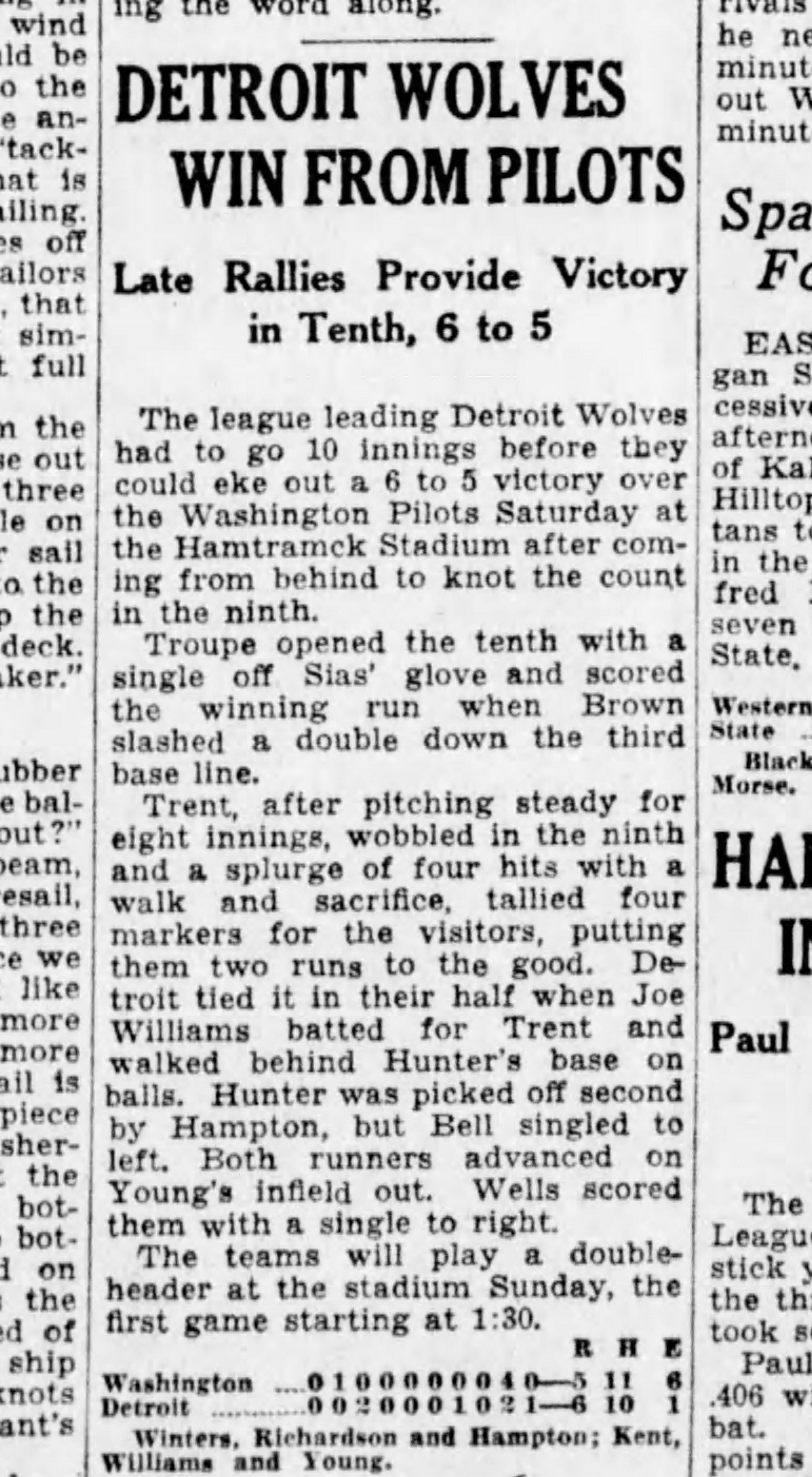
Quirkily, though, is the fact that for much of the East-West’s 1932 campaign — or at least the portion when the Wolves actually existed — the Detroit club completely owned the Pilots on the field. In late May, for example, the Wolves busted out their brooms to talk all four games of a series against D.C. in Detroit, including taking both games of a series-ending twin bill.

That sweep and a bunch of other W’s — a record triggered by an airtight defense that led the league in fielding percentage — propelled the Wolves into first. It didn’t get much better for the Pilots, either — when the Washington squad came to Detroit, the Wolves absolutely plastered the Pilots, 16-1, in the first end of a doubleheader at Hamtramck Stadium. (The second contest was stopped by Jupe Pluvius.)

Detroit_Free_Press_Sun__May_29__1932_

The May 29, 1932, Detroit Free Press

And it’s doubly interesting, perhaps, that the Wolves themselves were created by benefiting from another team’s misfortune. When the first NNL tanked at the end of 1931, its last champions, the St. Louis Stars, also collapsed, triggering a free-for-all for its players. According to spring 1932 media reports, the Wolves landed seven members of the previous year’s St. Louis team, including Cool Papa Bell, Suttles, fellow Hall of Famer Willie Wells, Creacy, Trent and Quincy Trouppe. In fact, the Wolves aggregation that emerged in early ’32 was virtually a brand-new one from an iteration from 1931. Stated the May 5, 1932, Detroit Free Press:

“Not a member of last year’s club has been retained. with the reorganization of the old Negro National League came a higher class of ball.”

Anyway, the re-jiggering of the league structure doesn’t seem to have mattered, though – the circuit stumbled and tripped and collapsed by the end of the season, leaving the unlikely Negro Southern League as 1932’s only sustained, “major level” blackball circuit. (Greenlee would launch the second NNL in ’33, quite successfully.)

The D.C. aggregation managed to sputter toward the fall and assemble something resembling a second half of a baseball season, including a road trip filled with scheduled visits to Philadelphia and Pittsburgh, as well as, in late July, playing in the first-ever night game in Washington, a 5-1 loss to the Crawfords under the lights at Griffith Stadium.
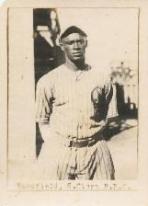
111Warfield-148x206

Frank Warfield

Unfortunately, however, Frank Warfield died suddenly just a few weeks later, leaving Webster McDonald in possession of the managerial reins.

Still, according to the Sept. 5, 1932, Washington Post – the city’s major daily actually provided the Negro club with pretty decent coverage – the Pilots returned to D.C. sporting a sterling 14-5 mark during a recent, lengthy road jaunt, and by the end of the summer the D.C. bats – especially those of Suttles and catcher George “Pep” Hampton – had come alive. Both trends reflected of what the Pilots might have been capable if they’d been birthed into a league with more sturdiness and accountability than the East-West.
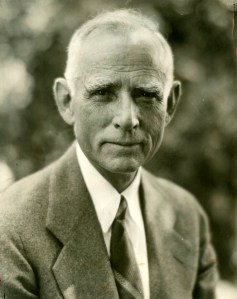
24231_a

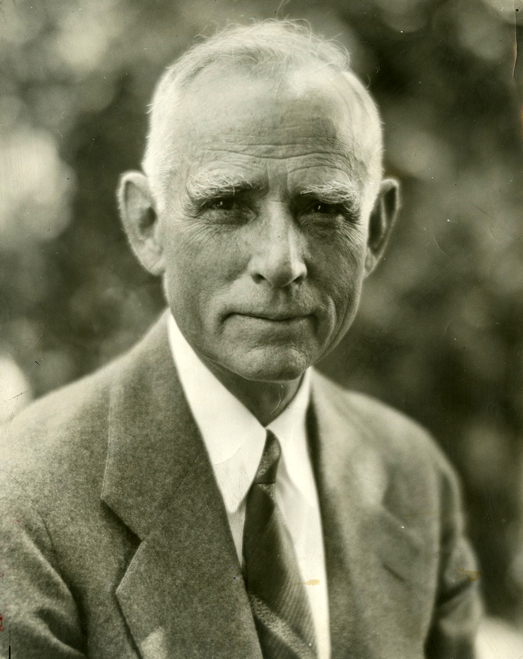
Clark W. Griffith

And, most importantly, the positive aspects of the Pilots’ stay in Washington didn’t go unheeded, because at least one of Organized Baseball’s kingpins was paying attention. In early August, reporter Trezzvant Anderson, now with the Associated Negro Press, scored an interview with powerful Washington Senators mogul Clark W. Griffith himself, and the American League club’s owner apparently had very good things to say.

Anderson, who caught Griffith as they attended a night game in D.C. between the Pilots and the Crawfords, wrote that the white owner:

“… declared that he believed that high class baseball for Negroes would pay, and that it should flourish, if properly organized and supported by hometown fans where the teams were located. …

“He asserted that Negroes deserved high class baseball, for he has recognized the fact that Negroes are just as discriminating as whites in their desire for the best, and he said that he was sure that they could get the best, for just then he was watching two of the best teams in colored big league baseball play …

“It is his belief that those behind Negro big league baseball should do everything possible to give their fans the very best they can get …

“But, said Mr. Griffith, it is almost impossible to have success with big league baseball unless the fans in the team’s hometown take an interest in their team and consider it as their own, a proprietory [sic] interest, which would be reflected in the efforts of the players to justify the feeling.

“The playing of these big league Negro teams as duly impressed Mr. Griffith, and his interest was clearly shown as he sat and watched each play like the baseball hawk that he is and has been for thirty-six years, during which he has had every experience baseball has to offer …”

Anderson reported that Griffith worked with a local firm to bring extra lighting to the Pilots’ night games that season, in addition to use of Griffith Stadium’s own illumination sets, apparently out of the goodness of his benevolent heart.

He also made a point in lauding the Negro talent he was seeing at his stadium that year, especially with Dixon and Suttles. In addition, Griffith lavished praise on Pilots owner Dykes, calling him a “clean-cut fellow” who would undoubtedly [with Anderson paraphrasing] “bring colored baseball to a high plane in Washington.”

Concluded the reporter:

“Commenting on the failure of the Negro National Baseball League a year ago, Mr. Griffith said that it was necessary that the race have leagues in order to properly function and to produce the high grade baseball which the people wanted to see. ‘Negroes,’ he said, ‘no longer are willing to pay to see just any kind of ball, and least of all here in this section of the country, and where they can see Babe Ruth, Lou Gehrig and other stars on regular big league teams instead. You must give them a comparative brand of ball.’ And it was his opinion that the brand of ball as played by the Pilots and the Crawfords was well worth the price of admission.”

All of those comments [at least as worded by Anderson] from Griffith reflected the latent of patronizing paternalism found among many white baseball executives, managers and players when viewing blackball. It was a verbal patting on the head and an only partially earnest, “You can do it, little guy. I know you can.”

Griffith also, perhaps unconsciously but still absolutely clearly, established Organized Baseball and its talent as the standard bearers of top-notch baseball, hinting that Negro players like Suttles and Dixon – while certainly quite talented – were still a notch below the beloved Babe.

To that end, it’s also worth noting that, while effusive in his praise and generous in his advice, Griffith refrained from any mention or even insinuation of any possible prospect of or desire for integration. For example, while he dubbed Suttles “worth anybody’s money,” he didn’t even hint that he himself would have any interest in signing the Mule – or any other African-American player.

However, given that it was 1932 and Judge Landis still held iron-fisted sway over the status, such thoughts from Griffith were probably just about as good as blackball was gonna get.

Anyway, as it was, the Pilots did eventually fade at the end of the ’32 campaign and the unceremonious demise of their league, at least as anything resembling a major Negro Leagues team. (They did manage to trudge on as an independent/semipro team for a year or two.)

1928LittleFallsWebsterMcDonald

Webster McDonald

The members of the Pilot roster thus scattered hither and yon. Suttles returned to the Chicago American Giants for ’33, while Nip Winters and McDonald hopped to the Philly Stars. Brewer slid on over to the KayCee Monarchs, Dunn suited up for the Black Sox and Nashville Elite Giants, and Matlock was inked by Greenlee, who continued to amass what was quickly becoming one of the greatest aggregations in Negro League history. Trent, Searcy, Eggleston and Bun Hayes also moseyed on to various squads and played out their careers to varying levels of success.
jake_dunn

Jake Dunn

What about our good friend Ben Taylor, future Hall of Famer and East-West League umpire? His career continued for a few years more, mainly in the dugout, including managing a reconstituted Baltimore Black Sox squad in 1933. He also returned to D.C. in 1938 to manage the Washington Black Senators.

But Taylor’s later life was unfortunately not devoid of strife – in fall 1932, just as the East-West League was on its last legs, his son, 15-year-old Ben Jr., disappeared from the family home in Baltimore, prompting even two Boy Scout troops to launch a dragnet to find the lad.

However, I couldn’t immediately find out what happened with Ben Jr., disappearance, obituaries published after Ben Sr. died in early 1953 report that he was, in fact, survived by, among others, Ben Jr., so I guess it turned out OK.

Ben Sr. still had a few more rough sports, including having his right arm amputated after a bad fall at his Baltimore home.

On yet another tangeant … Like I noted way up at the top of this treatise, I’m working on an ongoing project about 1880s base ball in Charleston, which is how my interest in Ben Taylor was piqued. I’ll hopefully put up a blog post or two arising from that research, but for now, there’s just too much wrapped up in that tale to give much of a rundown here. But trust me, there’s a lot of good stuff wrapped up in that yarn.

Now, what about the Pilots’ management/ownership, the dudes with whom I previously dropped some foreshadowing about their adventures post-baseball?

Well, it wasn’t a purdy picture.

First up are Prather and Dykes … In essence, their curtain was pulled back, revealing not a tiny, blustery wizard, but instead the pair’s real business – running numbers and the ol’ racketeering. Like so many other Negro Leagues big cheeses, Dykes and Prather used their more legitimate ventures as covers for much more unseemly deeds.

In 1933, a federal grand jury indicted Dykes and Prather on charges of tax evasion, much like big-time mobsters Al Capone and Owney Madden. A lengthy report by the Norfolk New Journal and Guide in November of that year painted a seedy picture:

“In the brief span of four years, they traveled from comparative poverty to wealth as measured by their racial standard, and back again almost to their starting point.

“Almost overnight they became big shots in the number racket, operating in Washington, Baltimore, Harrisburg and other points.”

Prather, the article stated, used a middling barbershop as his initial front:

“His business was poor, but he himself had a reputation in the … underworld of being a good hustler, not adverse to making money through any avenue which presented itself.

“He has a certain amount of color. He is a good spender and a good mixer – affable and well liked. Notoriety attracts him as a flame does a moth.

“Such were his condition and qualities when the numbers craze struck Washington. He muscled in through his affability and spending and his bidding against other bankers for big books, he built up a good business.”

Prather then alleged roped in Dykes as a partner, and the duo established themselves as two of D.C.’s biggest runners. Fed by illicit numbers earnings that allegedly reached four figures a day, the pair indulged in spending sprees, chauffeured cars, yachts, race horses and real estate. The Club Prudhom was erected as their primary cover.

Alas, the bubble abruptly and painfully burst, thanks largely to the duo’s exceeding the size of their financial britches. Reported the New Journal and Guide:

“The boom days, however – even in the numbers racket – were over. A series of numbers, heavily played, hit. Their bank was unable to stand the strain. With the big commission and salaries they were paying for play, they were unable to carry on and finally reached the point where they were unable to pay off.”

After failing to stem the bleeding with some financial finagling, Prather eventually opened another (more modest) club in D.C., and Dykes started up a taxi business.

After failing to file returns on an alleged annual income of $35,000, Dykes and Prather caught a break from Fourth U.S. District Court Judge Calvin Chestnut, who fined them each $3,000, reprimanded them harshly, and issued a sentence and parole (I guess both sentences could happen at the same time) lasting three years.

The sentence was handed down in March 1934 following a four-month IRS probe that apparently included a close look at the Pilots baseball team, which figured into the duo’s smothering of attention to their illicit dealings.

To make matters worse, it seems Dykes didn’t learn his lesson – just more than a year after his tax case calmed down, Dykes was again busted, this time by the Prince George’s County cops, who raided his new hot spot in Landover, Dykes’ Club House

It seems that the club grew especially clattering during one weekend’s festivities. After neighbor complaints, the fuzz swooped in and found, among other uh-ohs, whiskey on sale sans proper license. Resulting charges on various individuals included operating a disorderly house and selling booze without documentation.

So much for Prather and Dykes. How about the fate of another Pilots honcho, Bennie Caldwell? Again, ugh.

Caldwell did immerse himself in a handful of more or less legitimate businesses – like the Crystal Caverns Club and a bowling alley – and was generally seen about town, such as at a post-fight soiree for boxing champ Henry Armstrong in fall 1940 and a similar wingding in Harlem for the great Joe Louis in summer 1946.
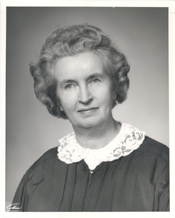
05_judgematthews_01_sm

Judge Burnita Matthews

However, Caldwell, like his baseball mates, was naughty. In 1940, for example, Bennie entangled himself in a gambling and vice scandal at the Little Belmont Club in Atlantic City, and in 1954 he endured a final ignominious fate – a conviction of jury tampering in U.S. District Court. Yep, busted. Judge Burnita Matthews pasted the 50-year-old, balding, wispy Caldwell with a sentence of 20 months to five years and a $500, prompting the flustered defendant to collapse in the courtroom.

The ruling seems to have been the exclamation point on a case that began in early 1950 stemming from Caldwell’s attempts at jury bribery during a gambling case. In 1951 Caldwell was originally convicted but managed to get the verdict set aside on appeal in 1953. But his hopes of freedom were dashed at the second trial.

Oy. Between Prather, Dykes and Caldwell, the fact that yet another former Pilots owner, Roy McCoy, was sued for allegedly stiffing an investment partner in February 1932 look like miniscule potatoes.

Sooooooooo, the tale of the Washington Pilots – the franchise that knotted up numerous strings of personal research and serves as a moderately glorious Independence Day yarn from the nation’s capitol. I greatly apologize for the rambling, possibly (at times) convoluted and disjointed narrative. It’s been a loooooong time since my last post, so I s’pose I had a lot of verbiage stored up.

One final, tangential postlude, though … Sprouting off from the idea of big-time politicians courting Negro Leagues baseball fans for votes, although, as Gary noted in his blog post, there’s no evidence that a sitting president ever attended a blackball contest, in 1940 the city of Chicago came close to such a landmark occurrence when Republican presidential candidate (and fellow Indiana U. alum!) Wendell Willkie addressed a largely black crowd of 10,000 at the American Giants’ ballpark.
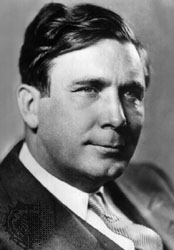
5177-004-FA16DF13

Wendell Willkie

The event appears to have been solely a political rally, with no actual game being played. Willkie apparently went for broke, too – one press report stated that he “frankly appealed for the understanding and support of the Negro group.”

Despite Willke’s impassioned plea at that rally, and despite every other best effort by the candidate and his running mate, Charles L. McNary, the Republican U.S. Senate minority leader from Oregon, the pair lost to FDR in the 1940 election.

Willkie, who died just four years later at the age of 52, seems to have been very similar to Charles Curtis, the vice president who threw out the first ball at a Washington Pilots game way back in 1932 – they were both well respected for the dignified comportment, valorous honesty and dedication, and passion for their cause. Many of his peers admired him despite policy differences.

So, there you go, my comeback, Fourth of July blog post. Again, I greatly apologize for the absurd length and winding narrative that probably, at times, didn’t make complete, linear sense, but, if you had the gracious patience to work through it, my deepest gratitude.

And enjoy the holiday! And to many of my SABR friends, I’ll see you in KC in a few days!
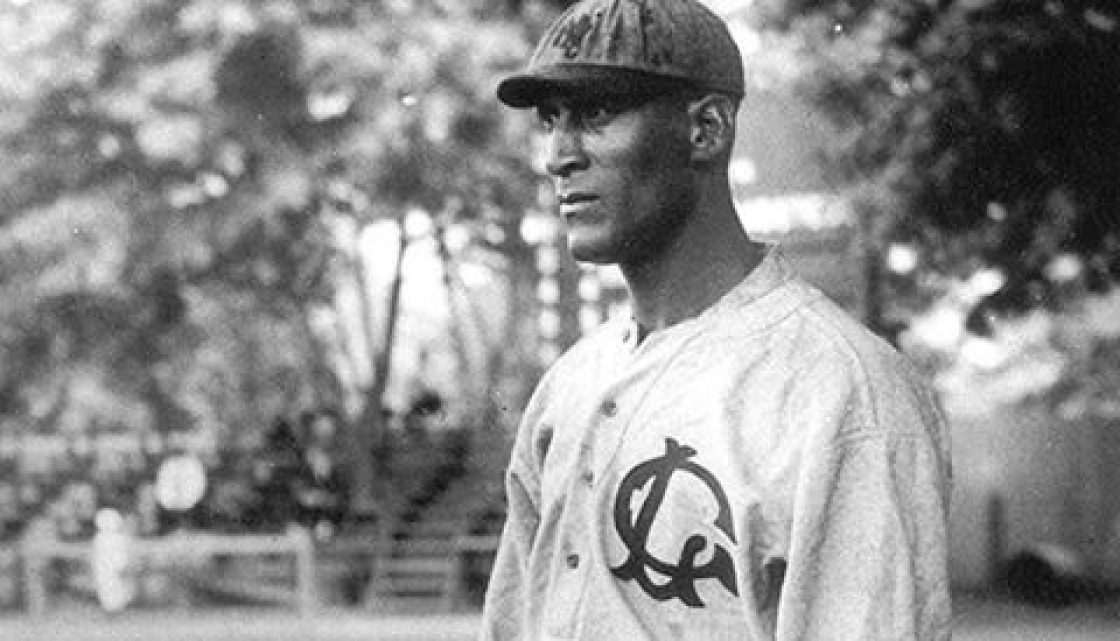
The Negro Southern League Museum

Howdy howdy howdy. Today it was a struggle to stay dry in NOLA — the downpours and thunderstorms that have ravaged Texas are now upon us. Fortunately, there hasn’t been any major damage as far as I’ve heard, but I’m guessing the two sinkholes on Canal Street might be filled to the brim.

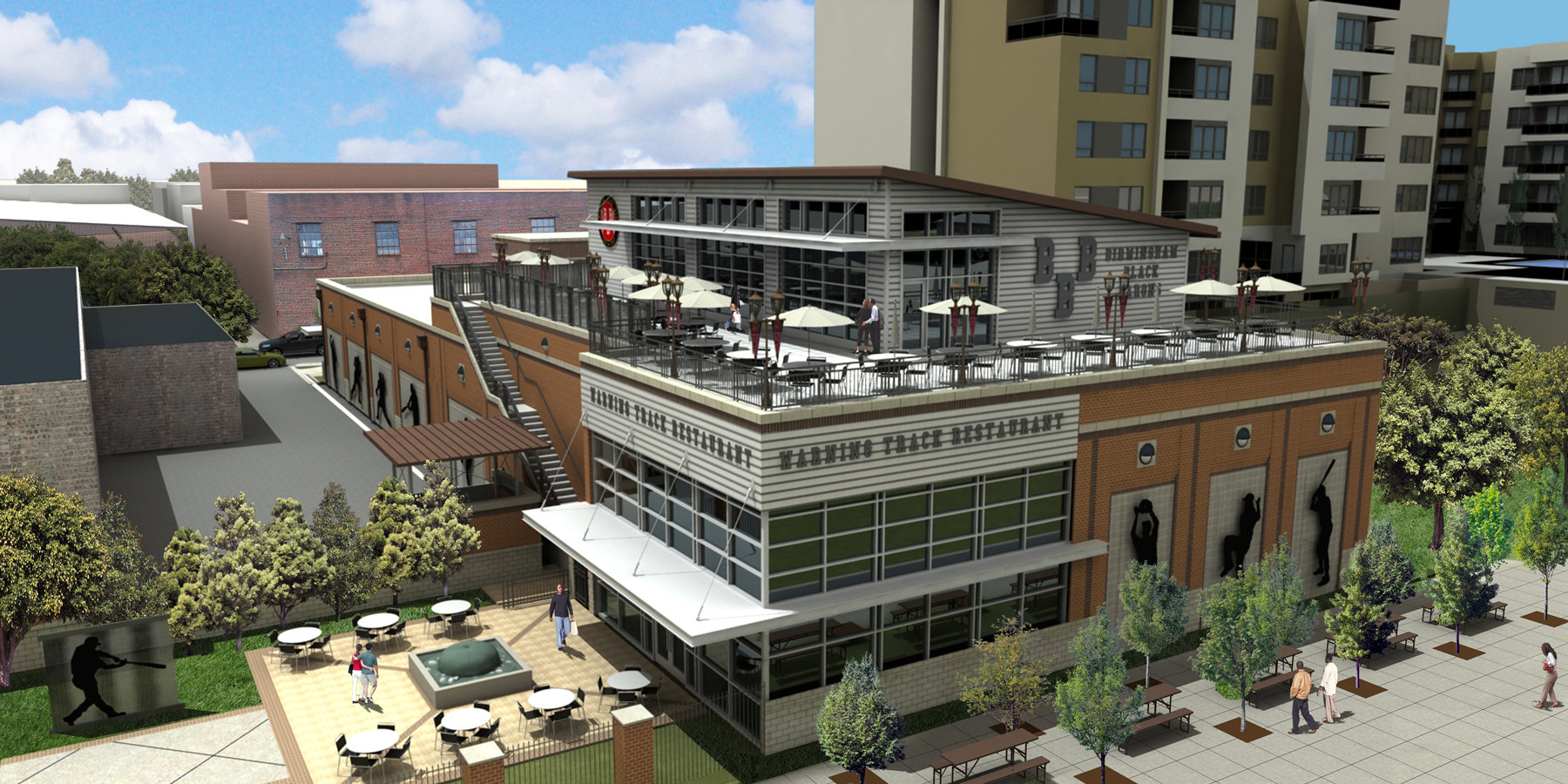
Anyway, here’s the second installment of stuff covering this week’s Negro Leagues reunion in Birmingham. Yesterday I unleashed some pics of the 21st annual Rickwood Classic, and this post includes a slew of pictures from my trusty iPhone 5s of the brand-new Negro Southern League Museum in downtown Birmingham, right next door to Regions Field, the current home of the Double-A Barons.

The museum, to say the least, is quite, quite impressive. Dr. Layton Revel and Co. did a phenomenal job. and best of all museum visits are free.

Tomorrow I’ll hopefully post some written thoughts about my hectic two days in Alabama, but for now, here’s some more photos …

Outside

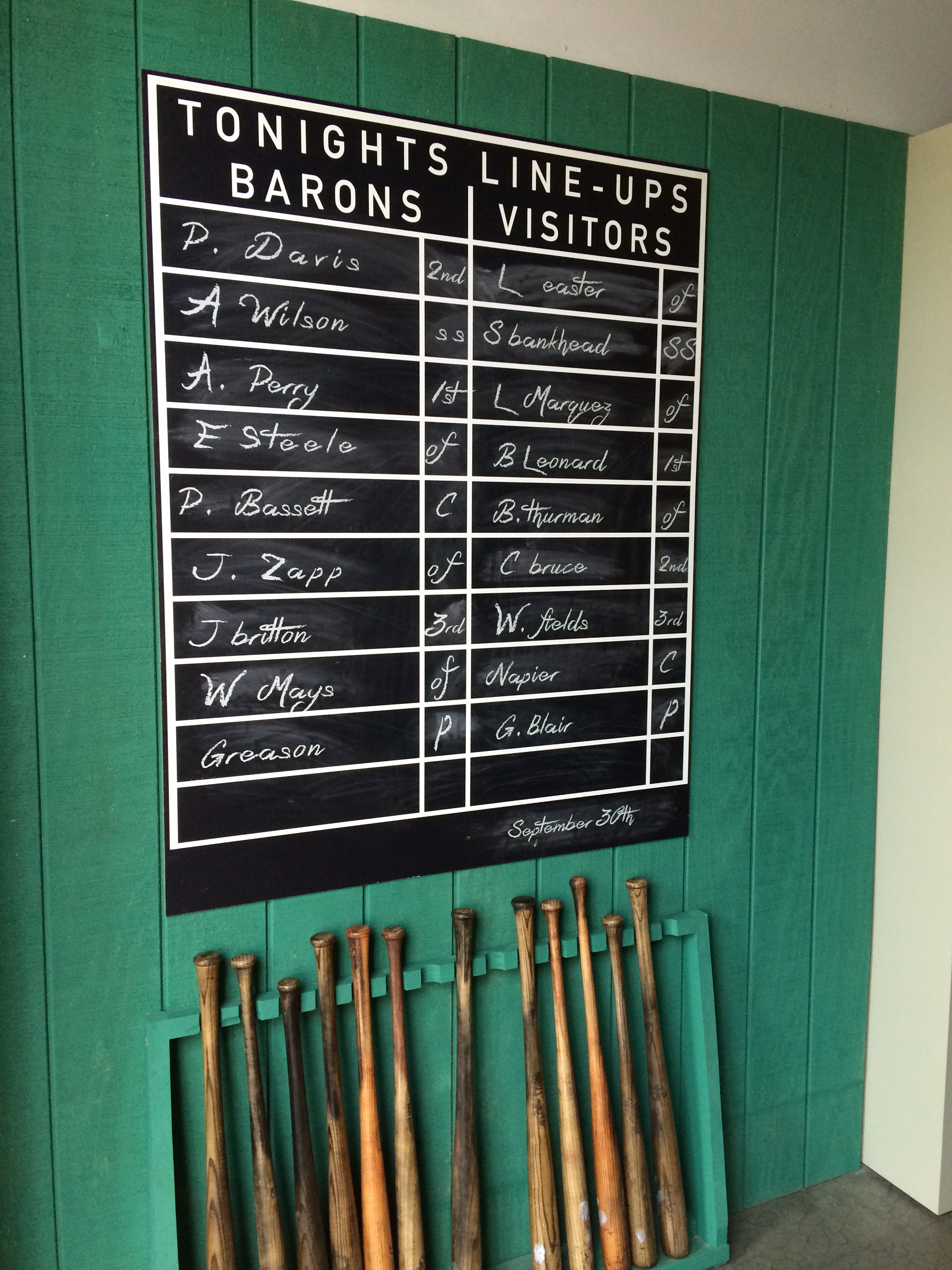
Lineups

Chalkboard forming a mock up of the lineups for the 1948 Negro World Series between the Black Barons and the Homestead Grays, complete with game-used bats.

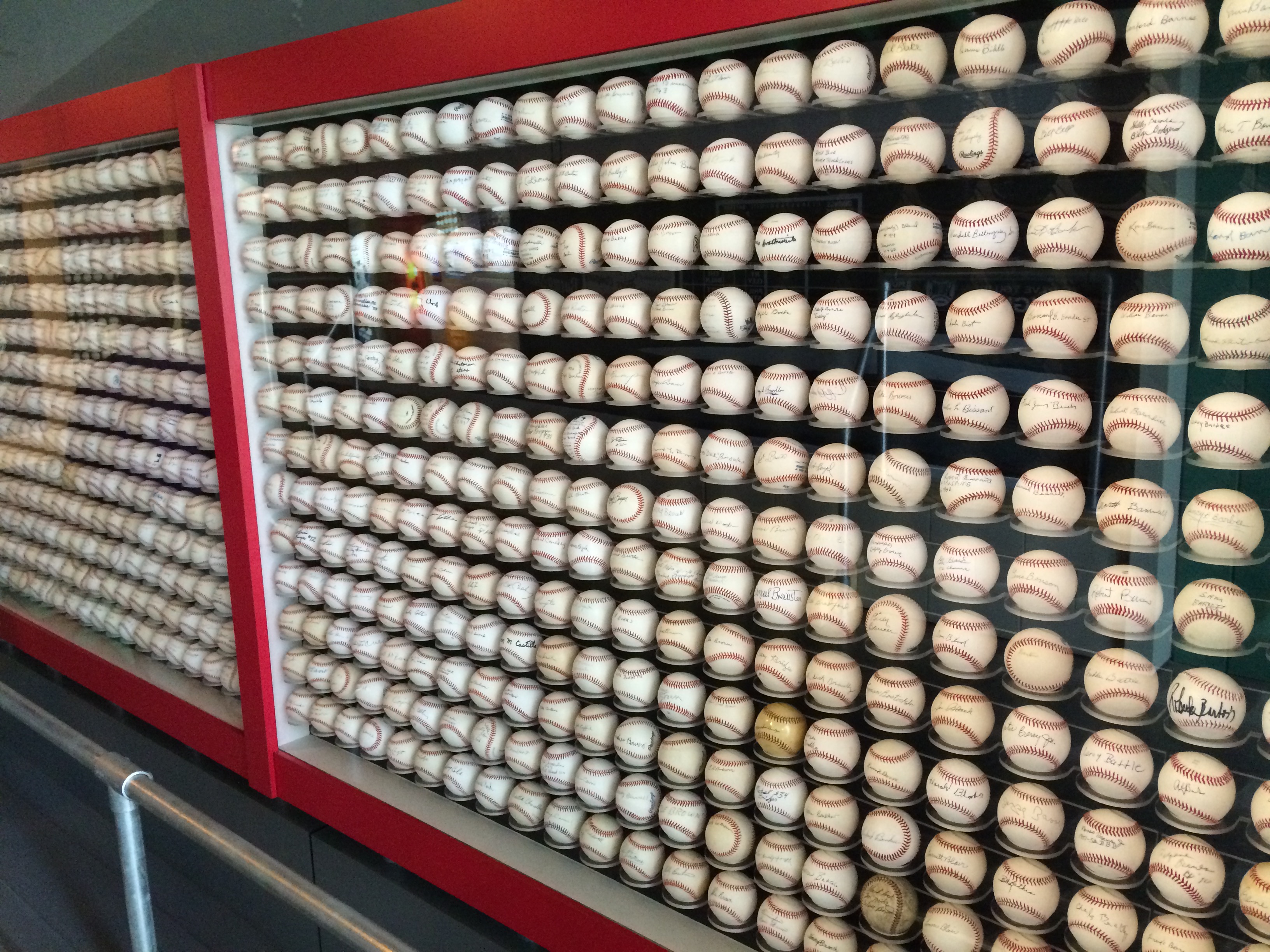
Balls

The start of the tour features thousands of baseballs signed by ex-players and managers. It was my favorite part of the museum.

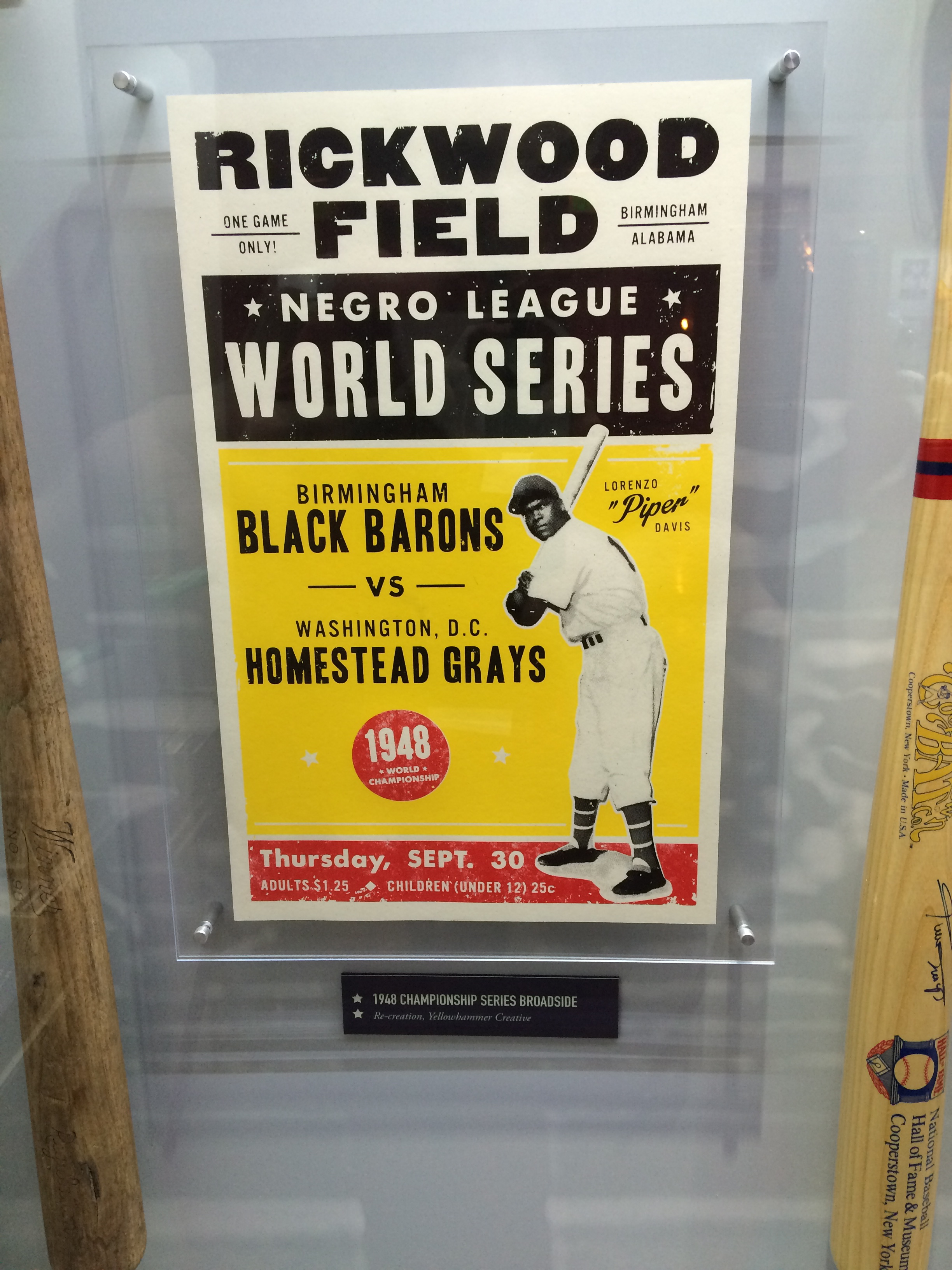
Poster

A poster from the ’48 World Series.

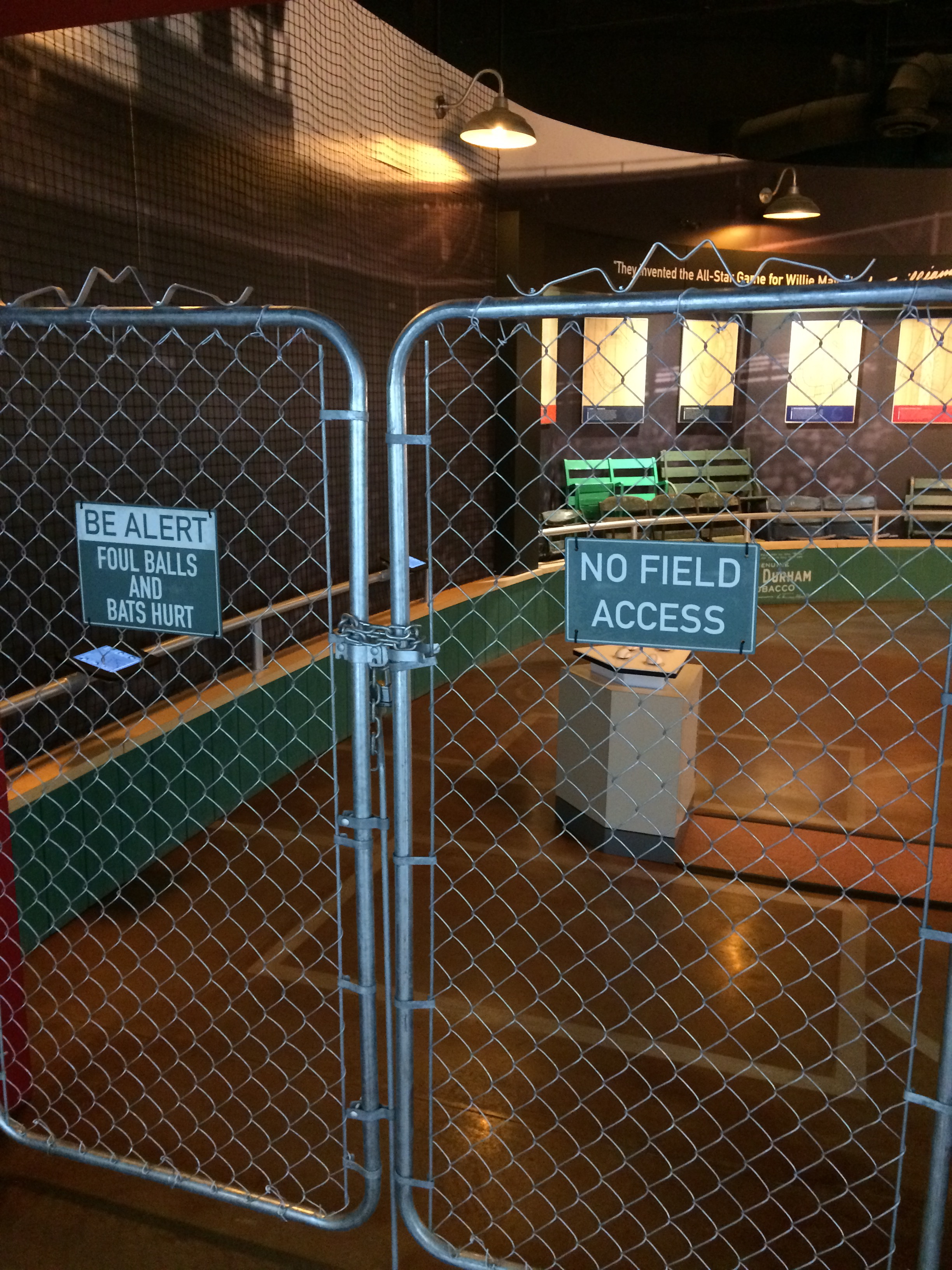
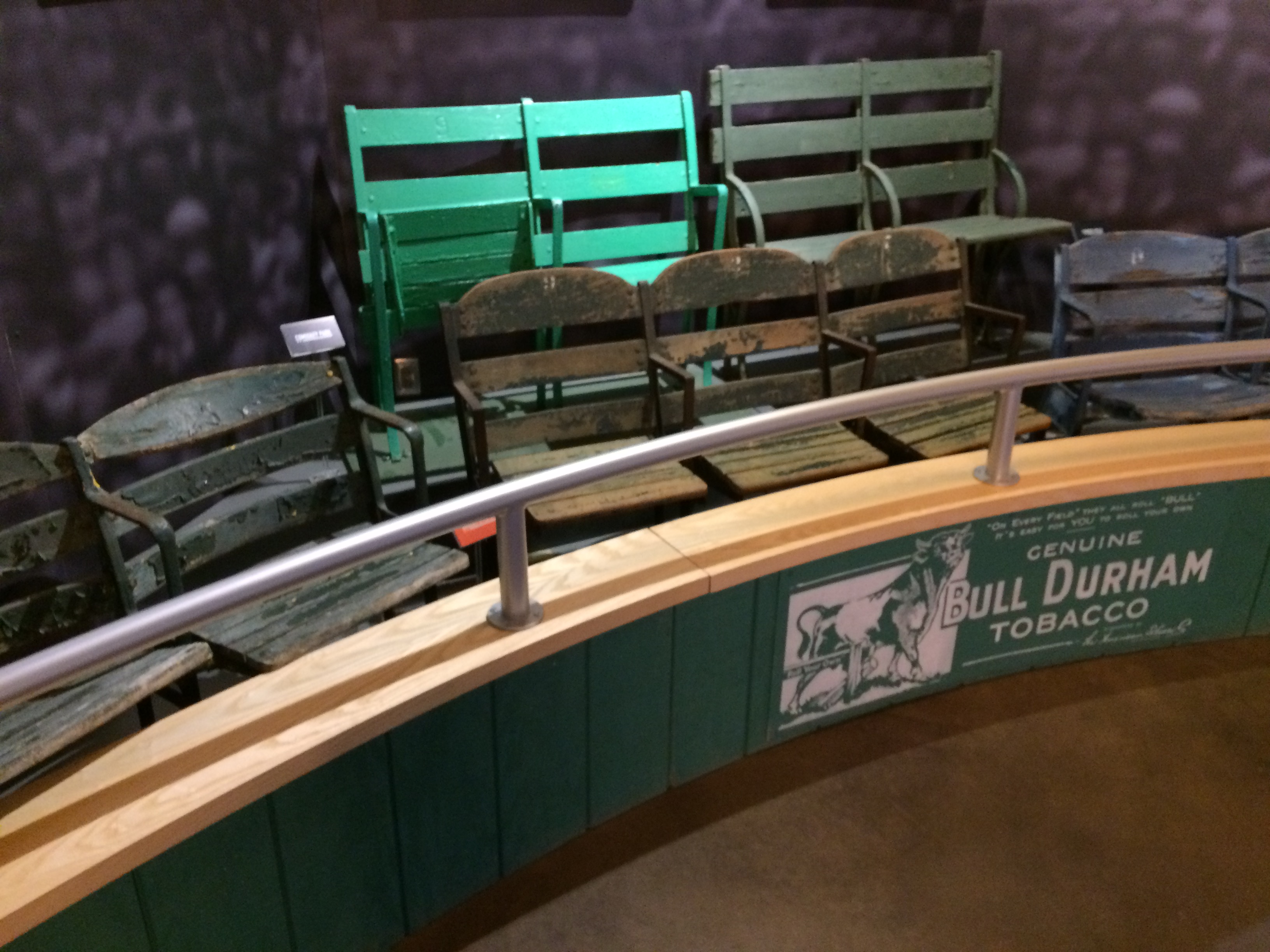
Fences

Seats

The tour included a simulated portion of a stadium, including fences and seats.

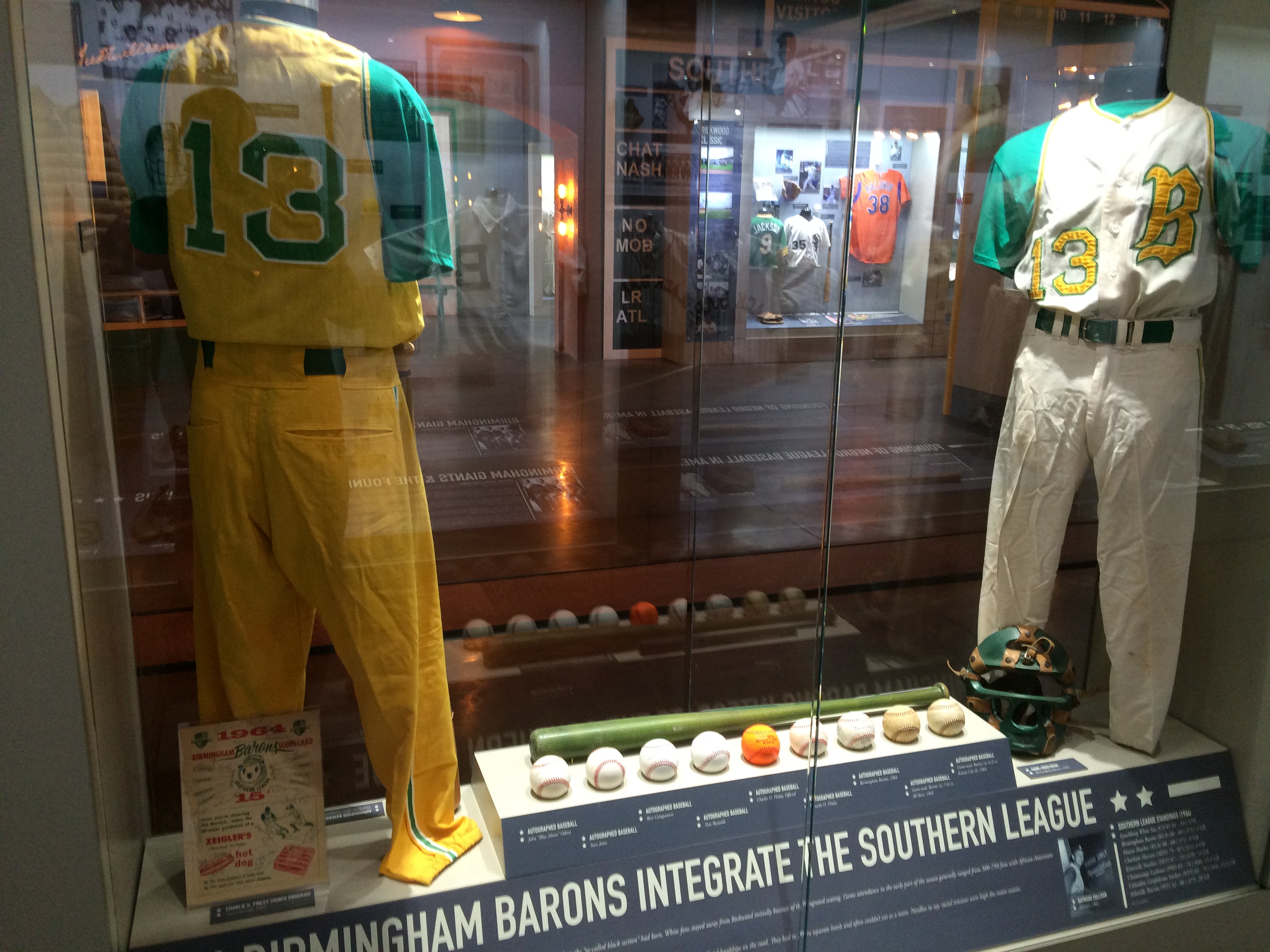
Huntsville

A game-worn uniform from one of the teams in other parts of Alabama.

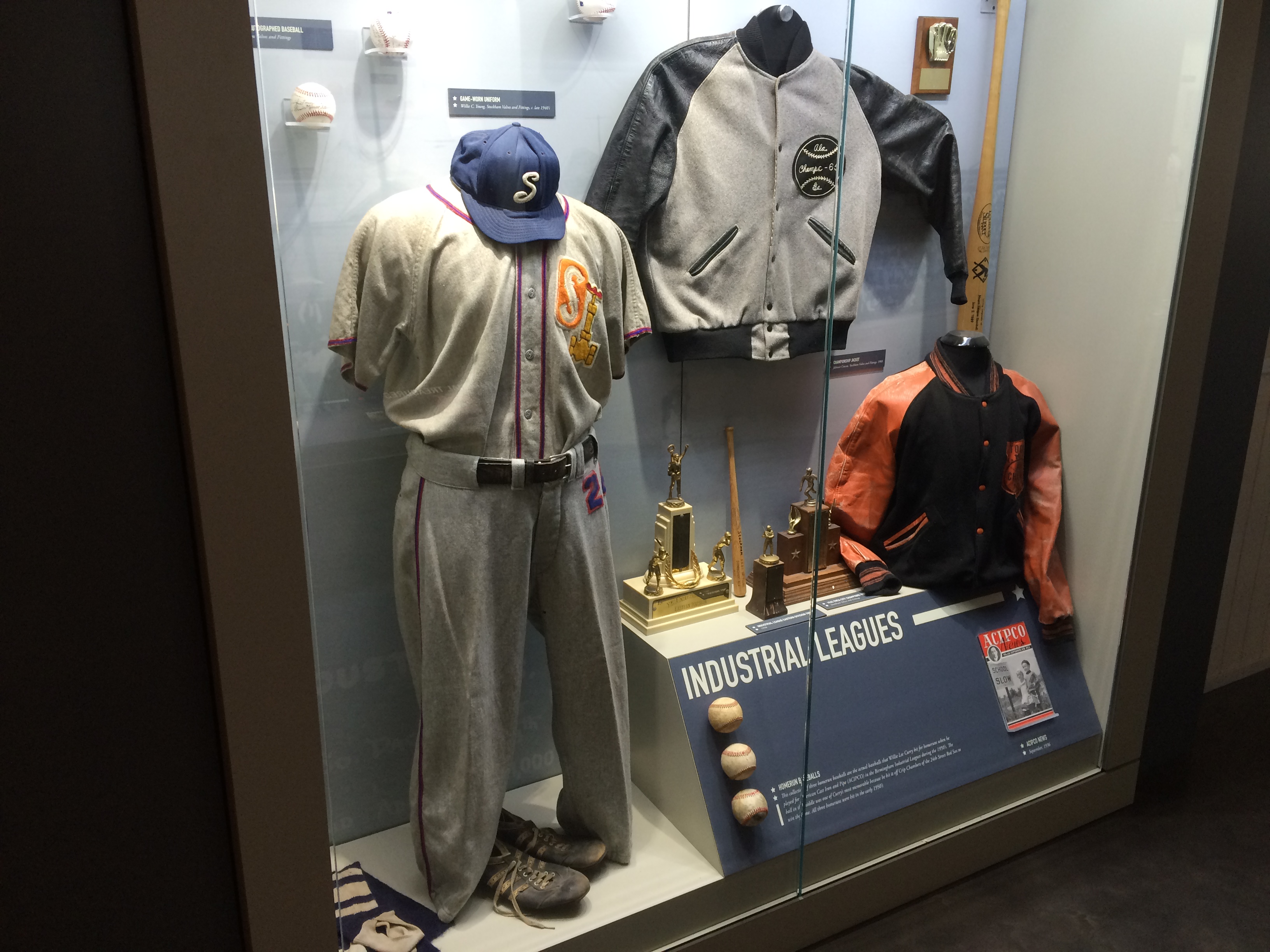
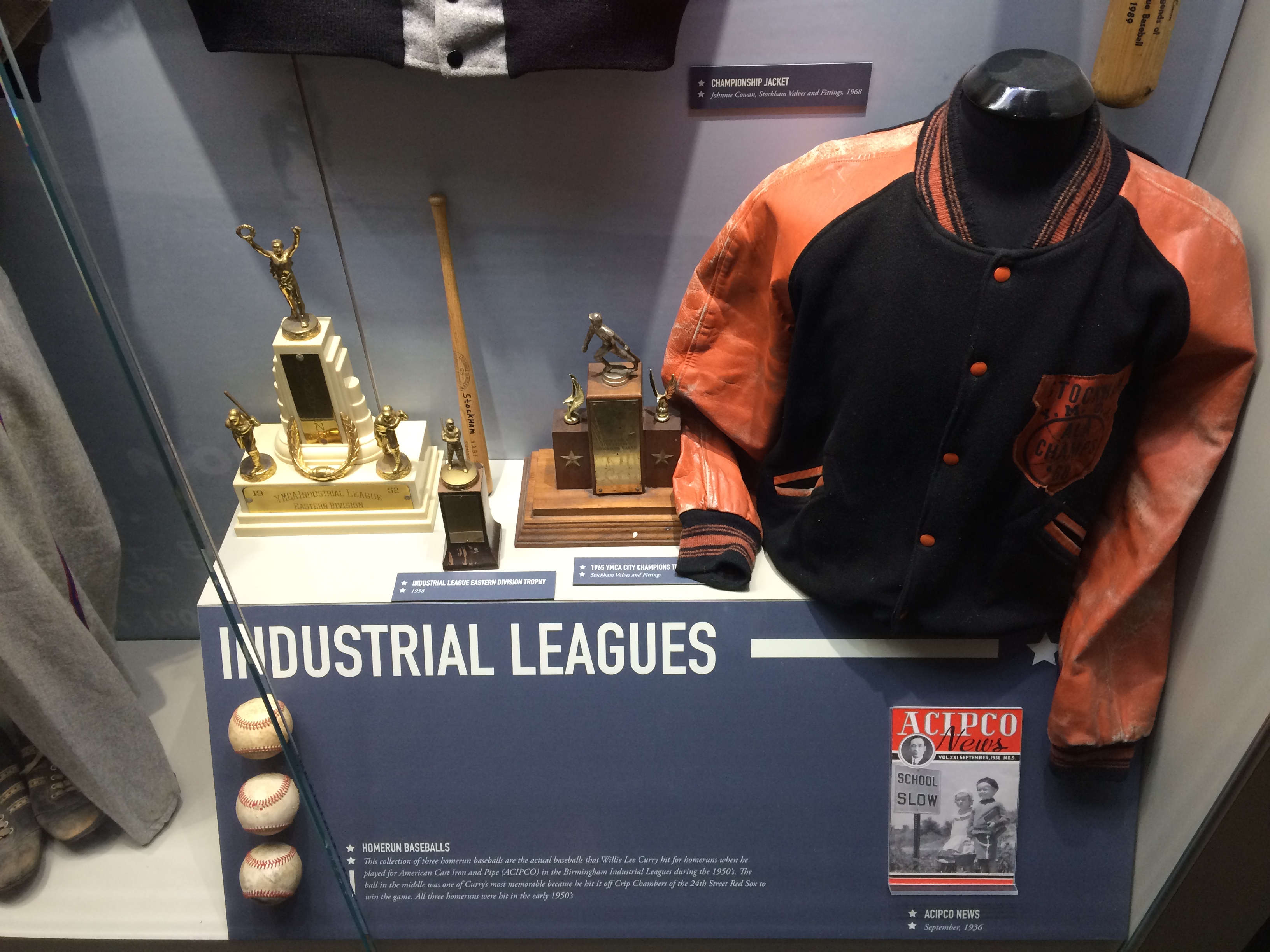
Ind 1

Ind 2

Ind 3

These three reflect the NSLM’s crucial emphasis of Birmingham’s influential industrial leagues, which launched the pro careers of dozens of local.

Wings

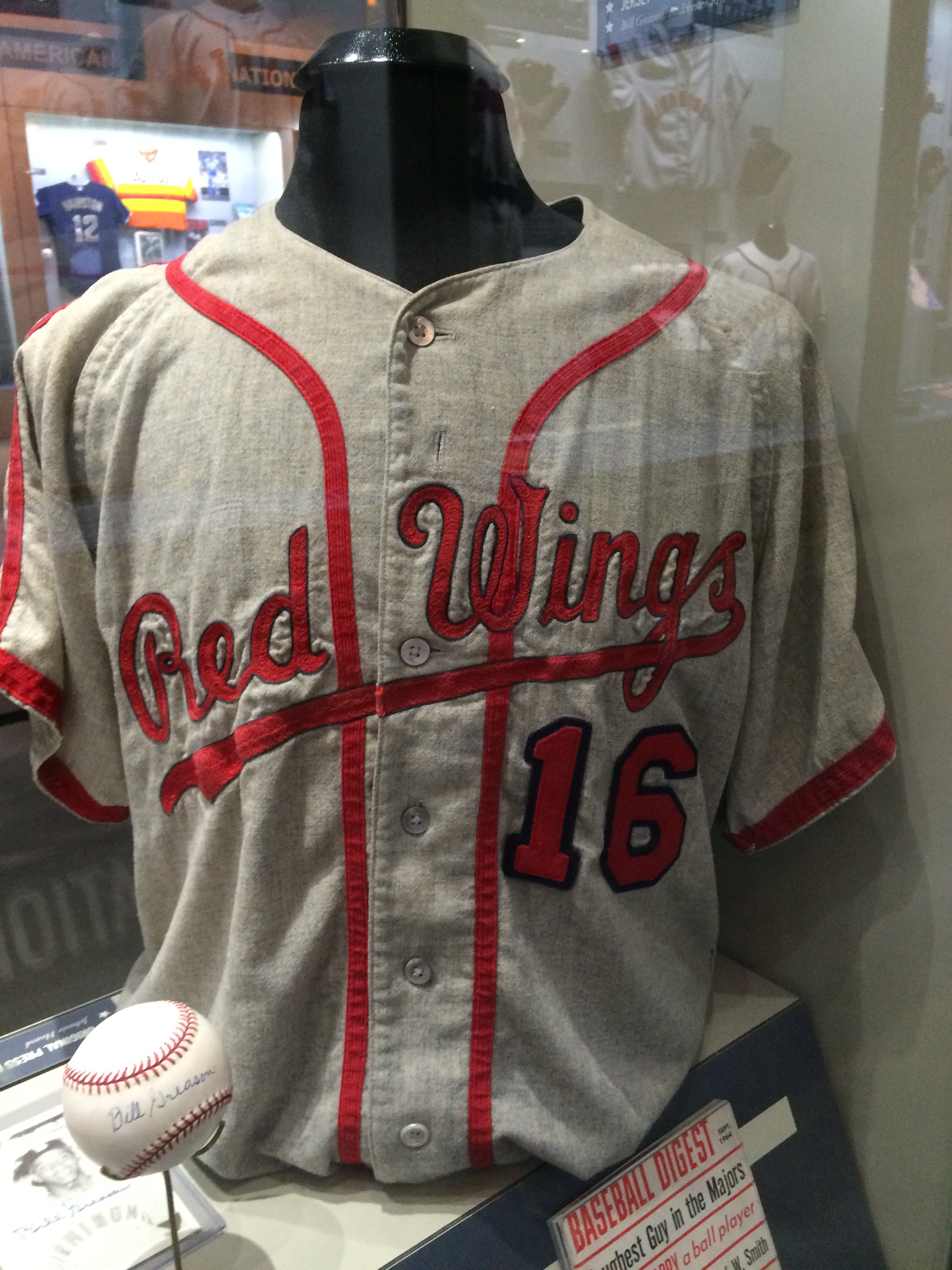
OK, remember when I said the framed baseballs were my favorite aspect of the museum? Well, this is actually tied for the top slot — a game-worn, 1958 uniform from Bill Greason when he played for my hometown Rochester Red Wings!

Bullet

I’m assuming y’all know this gentleman …

Pels

Finally … OK, remember when I said my two top items in the museum were a displays of balls and a Red Wings jersey? Yeah, umm, this one makes it a three-way finish — an authentic 1920s New Orleans Black Pelicans top. To make this display especially personal for me is the inclusion of several game-used items from Louisiana native Gentleman Dave Malarcher, one of my all-time favorite players and research subjects.

Tomorrow comes a little bit of prose … Thanks again for checking out the blog!

Live from Rickwood Stadium

Over the next few days, I’m gonna do my best to sum up the incredible experience I had Tuesday and yesterday in Birmingham at the players reunion, the Rickwood Classic and the Negro Southern League Museum.

Today I’m posting just pictures from the Classic, tomorrow I’ll post photos from the museum, and Saturday and Sunday I’ll try to write a little about what transpired and how it impacted me. I wish I could have taken more at the game, but I was scrambling up, down and around taking notes and interviewing folks, an experience I’ll chat about this weekend.

So, without further ado, here’s a sample of photos from the game! …

IMG_3345

IMG_3337

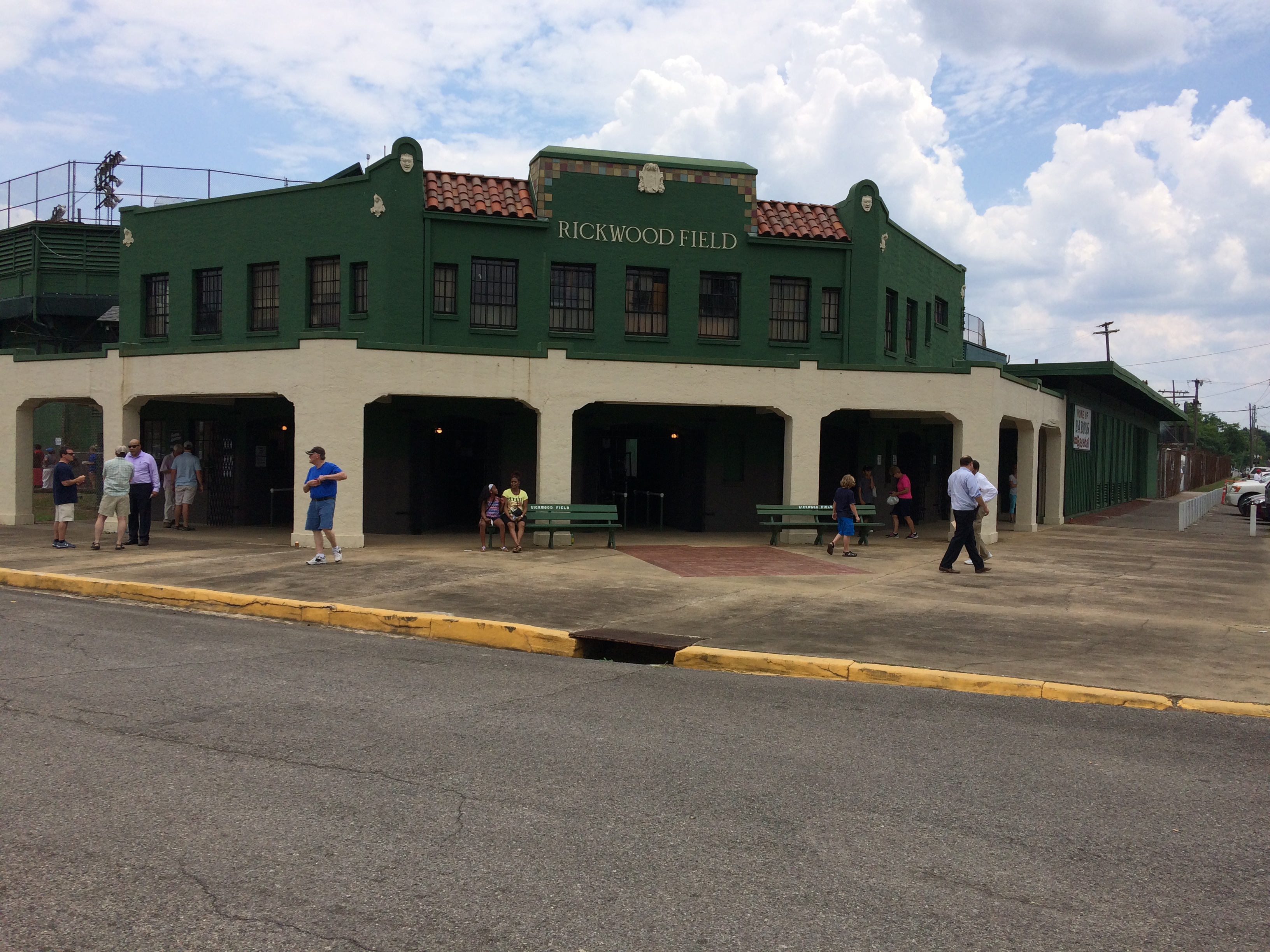
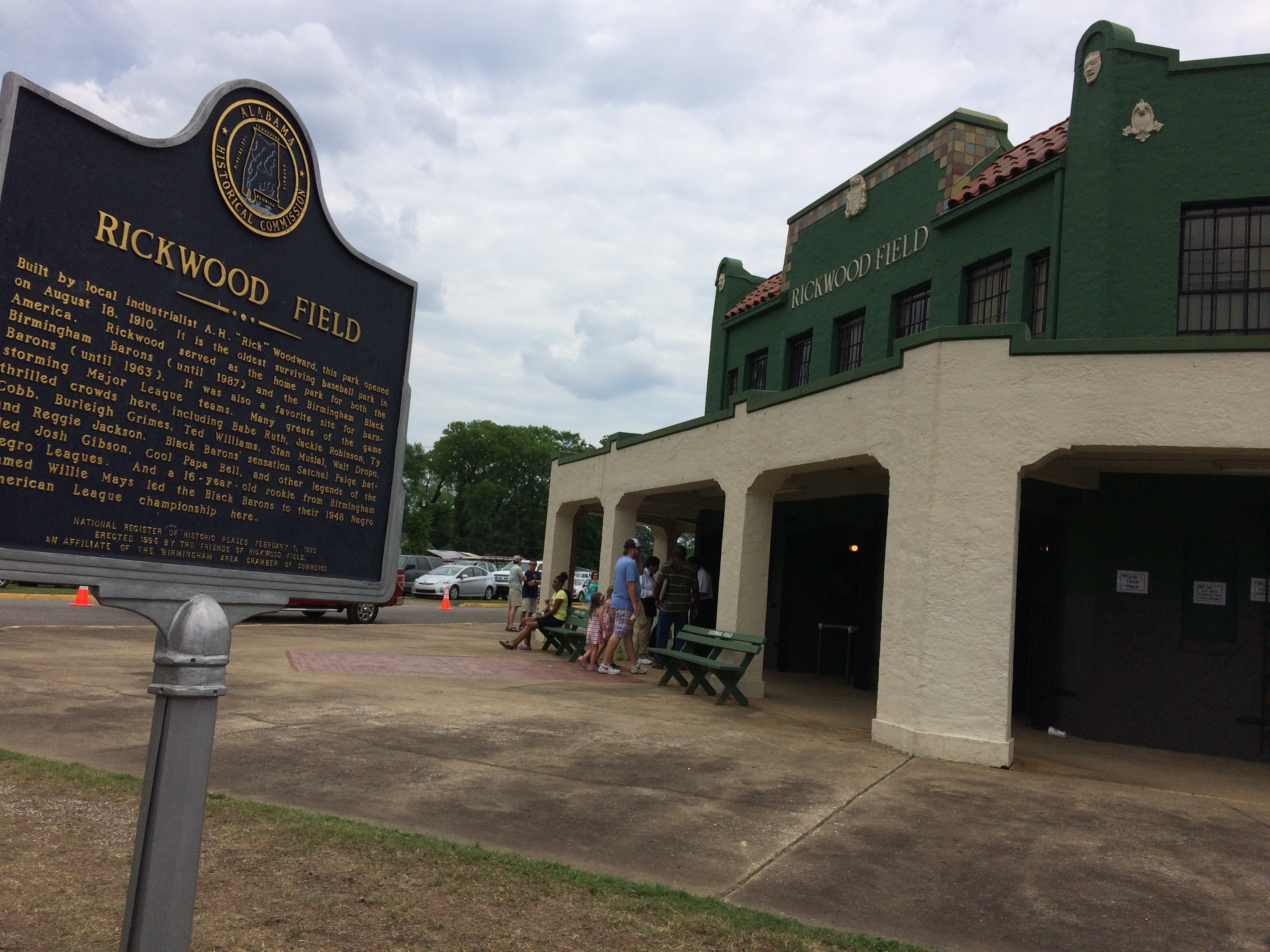
The top two are shots of the outside of the majestic and mystical park.

IMG_3348

A pic of the game itself between the Birmingham Barons and the Chattanooga Lookouts, which the latter won, 7-4. It was a hot day — peaking in the low 90s — but the humidity wasn’t too bad. It looked like it might rain Tuesday night and into Wednesday, but Jupe Pluvious held off.

IMG_3321

Monarchs teammates reuniting again.

IMG_3326

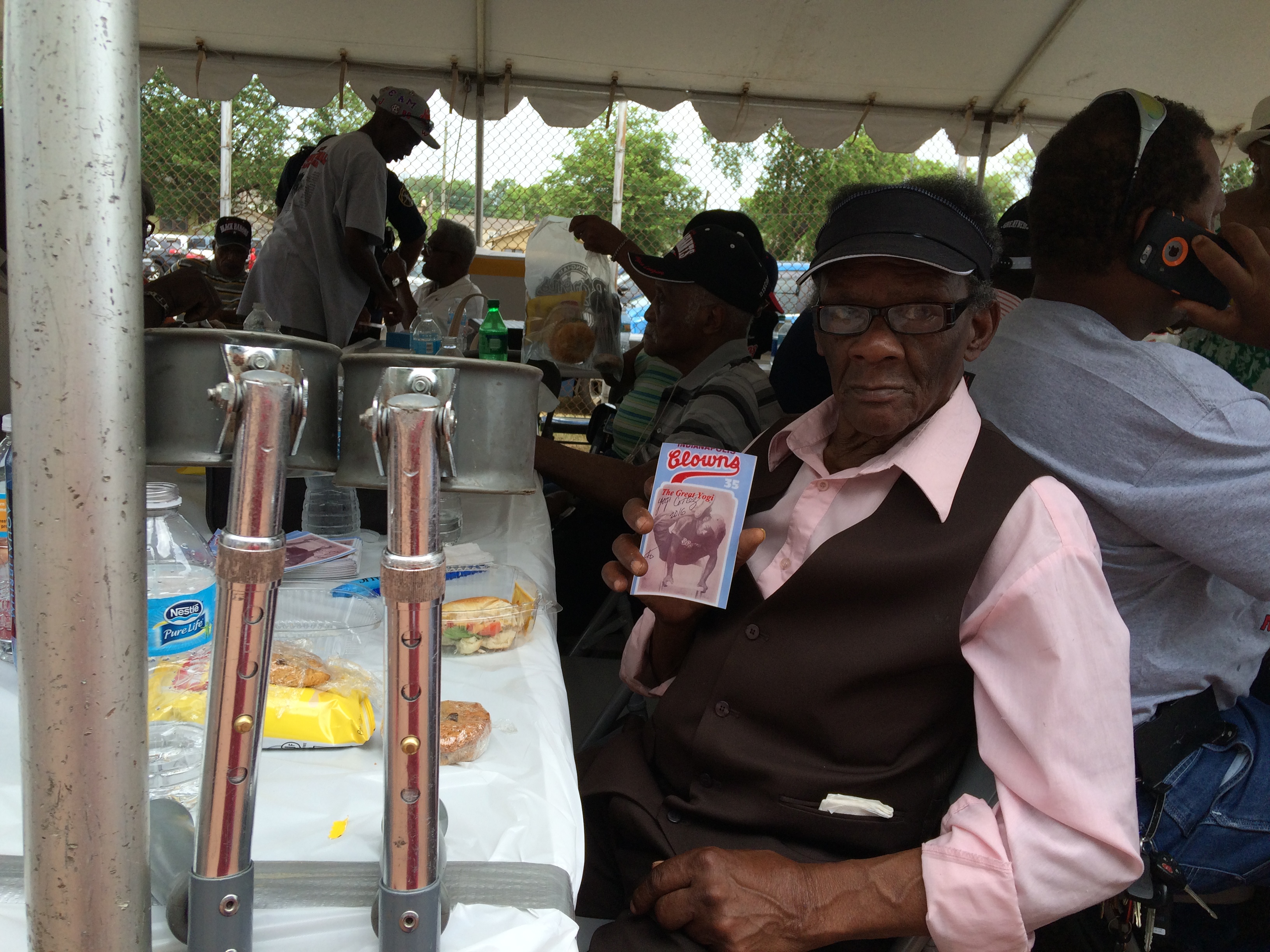
New friend and former Clown Yogi Cortez. I’ll take a bunch more about him later.

IMG_3355

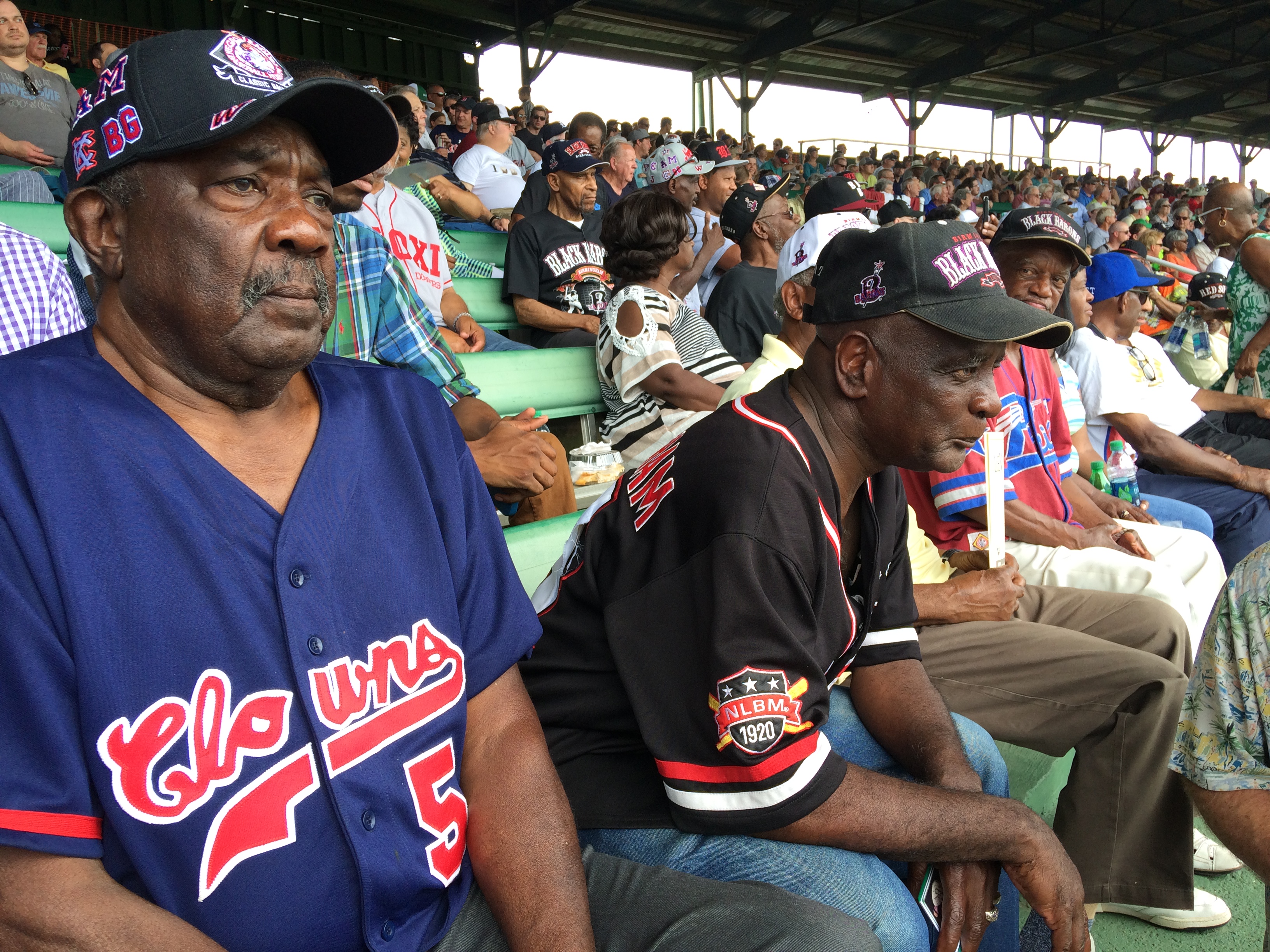
Jaycee Casselberry and Henry Elmore taking the game in, with other players and fans behind them.

IMG_3328

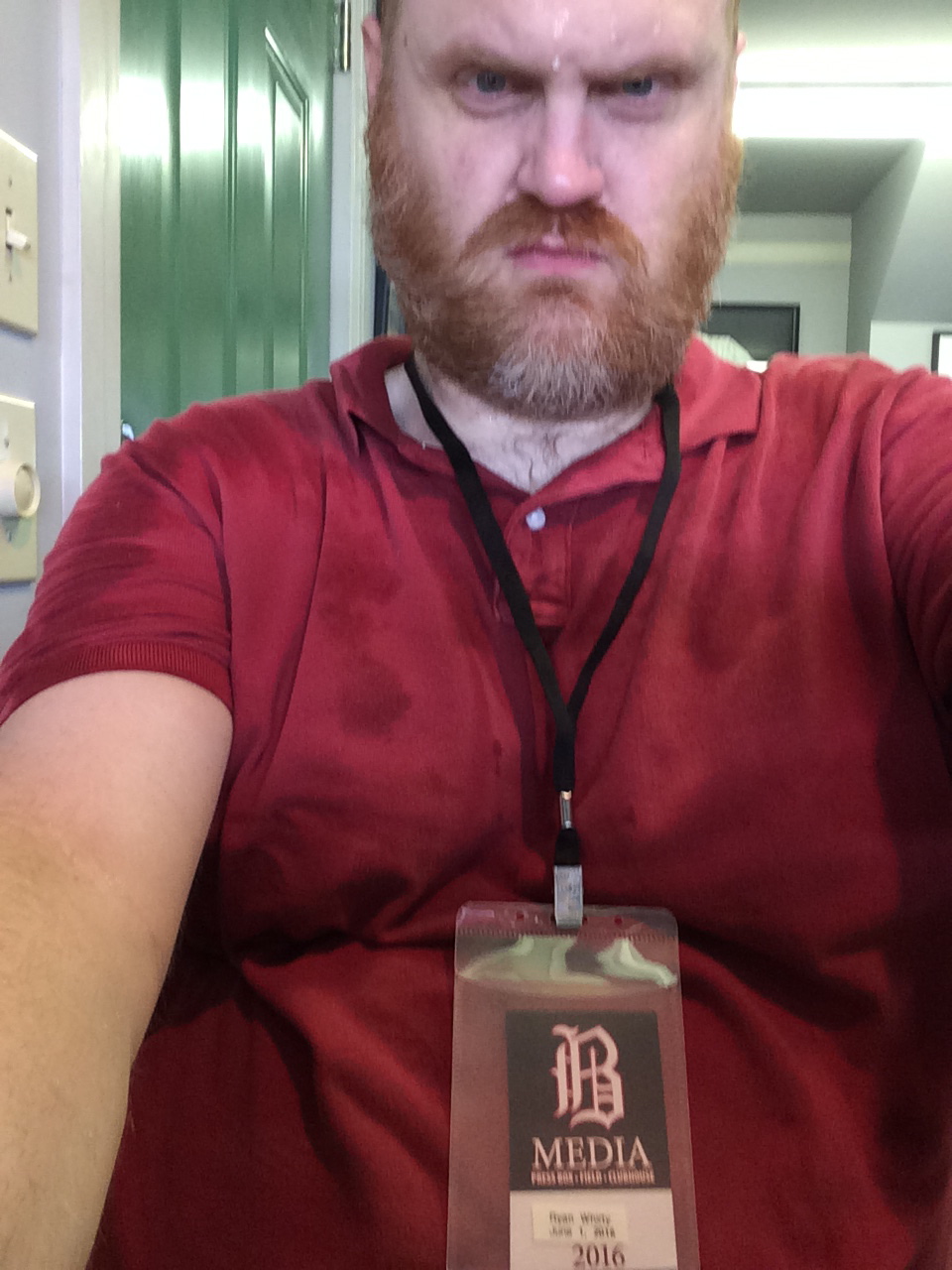
Me about the fifth inning in the press box and somewhat sweaty. I sweat a lot, folks. That’s my nifty little media pass, a possession that threw me back to earlier days when I actually covered games, matches and other events as a spot news dude.

IMG_3309

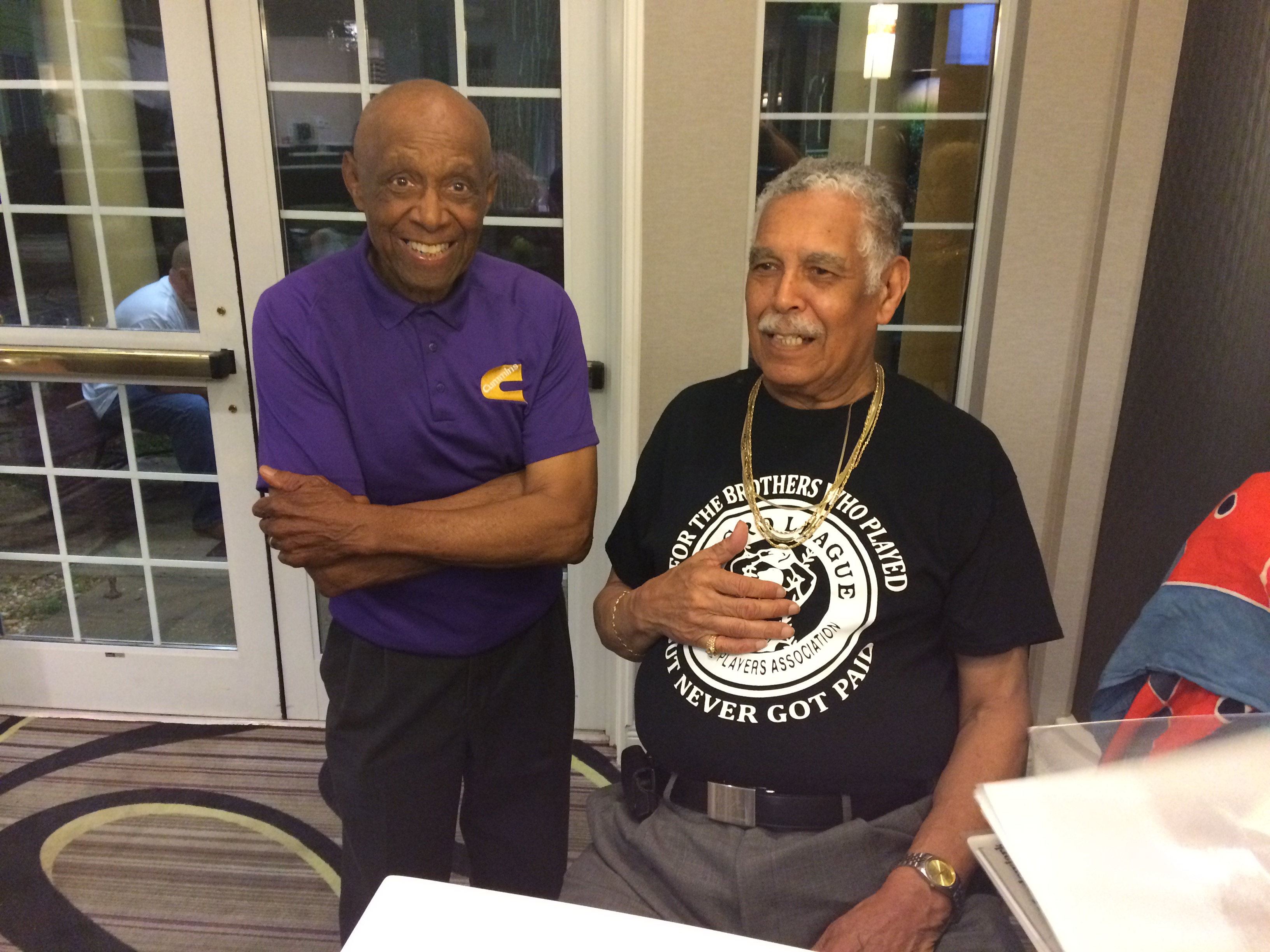
This one is technically from Tuesday night hanging out in the hotel lounge, but I still like it. On the right is ex-Monarch Rev. Richardson, displaying his family mementos, and sitting at the table helping a former player check some stuff out on the computation machine is new Tulane grad, Massachusetts resident and diligent preserver of these legendary men’s legacy and memory Cam Perron, who always takes a key role in the reunion.

Tomorrow the museum!

Baseball bloodlines in Birmingham

IMG_3304

That most handsome gentleman next to that goof in the glasses is Mr. Henry Elmore.

Well, today didn’t go quite as planned, but it was still a dandy of a day. I unfortunately left NOLA a lot later than I wanted to, so I didn’t get to Birmingham until after 3 p.m., which meant I missed most of the scheduled events for the day. That was not the best, to be sure.

But once I got to the hotel, I immediately knew it was a very good call to come on up for the players reunion, the Rickwood Classic and a tour of the new Negro Southern League Museum. When I was checking in, there were a few gentlemen sitting in the lobby shooting the breeze, and of course I had to be obnoxiously nosy and barge my way into the conversation.

I introduced myself to them, by saying I was a journalist and researcher covering the event, and the most outgoing — the word “outgoing” is a bit of an understatement — stood up, stuck out his hand to shake and said, “I’m Lonnie Harris, but the man you want to ask any questions to is him.”

Lonnie — an NYC native whose nickname, I discovered, was Showboat — sports a thick beard, a full head of hair, a baseball cap and big, Bono-type sunglasses. His introduction and comment caught me a little off guard, but in a very, very good way. “I gotta talk to this guy,” I thought. Lonnie suited up for the Birmingham Black Barons and Memphis Red Sox in the 1950s. But more on that to come …

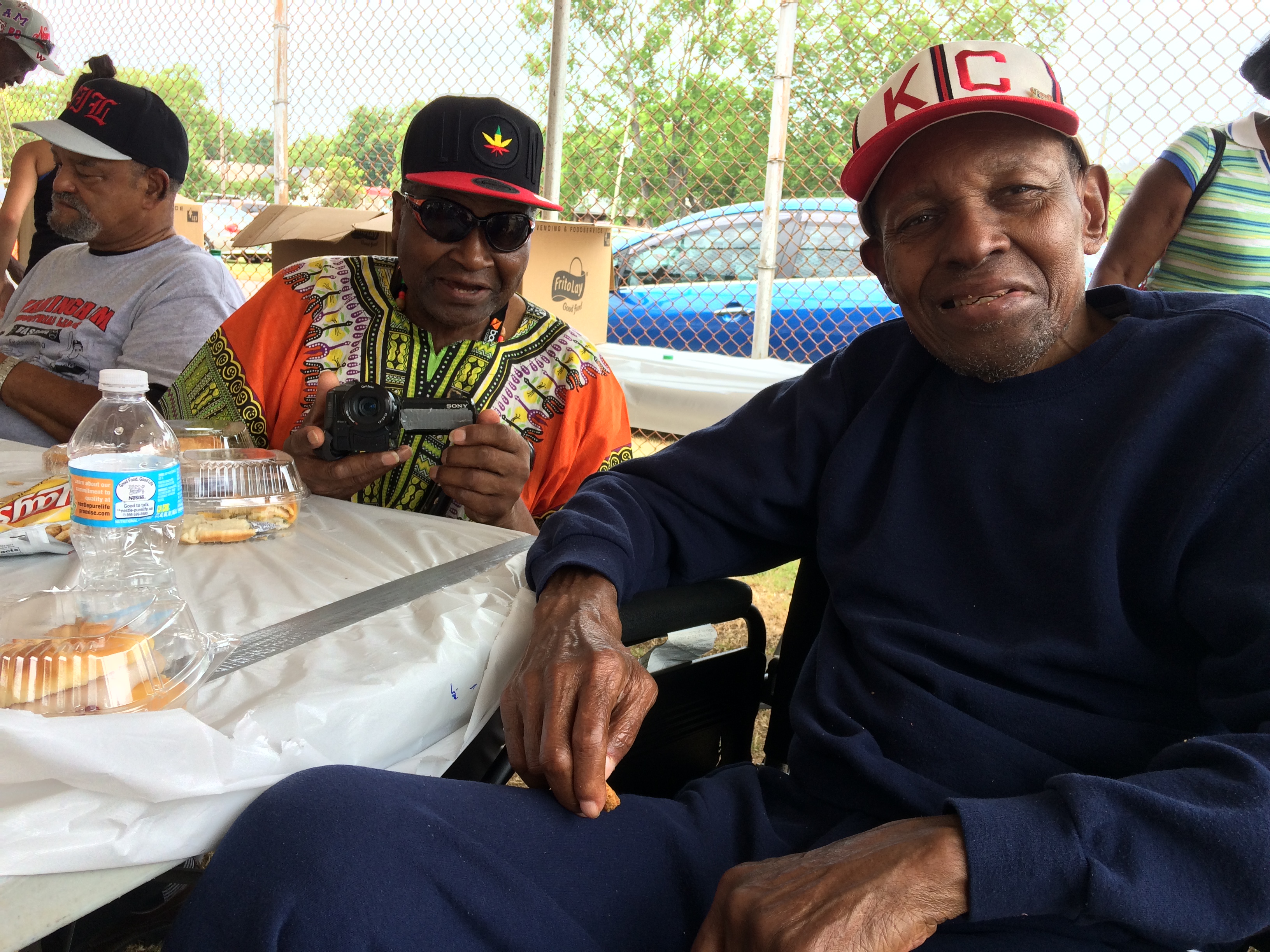
But Lionel insisted I chat with the whom to whom he referred me, another member of the small contingent named Reggie Howard, a South Bend, Ind., native who played most memorably with the legendary Indianapolis Clowns under (in)famous owner Syd Pollock.

I traded a couple thoughts with Reggie before he, unprompted pulled out a mint condition, protected copy of a baseball card of him, asked me again for my name, and signed the card for me!

IMG_3315

Later in the evening, I was able to catch up with Mr. Howard while he was recalling days gone by with a teammate, Gil Black, another native of NYC who grew up in Connecticut. Reggie introduced me to Gil, and the two then proceeded to burst forth with a dizzying slew of stories from their days together with the Clowns — yep, Gil also donned his spikes for Mr. Pollock.

After a while, their banter reached a fever pitch of friendly jibes and bragging, with tall tales just flooding out in a rapid-fire procession. It was so fast and furious that I eventually gave up scribbling their words down with my wholly inadequate pen and notebook. (Yes, I stubbornly refuse to use a recorder. Maybe it’s the old-time Wendell Smith and Sam Lacy in me.)

So, needless to say, more on the tales of Brothers Black and Howard later. …

IMG_3310

Former Indy Clowns Reginald Howard and Gilbert Black

I also had a chance to do quick intros with Jaycee Casselberry and Yogi Cortez (about whom I talked in my previous post), but I’ll end with a short buy buoyant chat I had with former infielder Henry Elmore, a quiet, understated guy from Birmingham who played with the Black Barons and the Philadelphia Stars.

Sporting a blue cap adorned with the logos of practically all of the vintage blackball teams, Mr. Elmore told me that he was greatly inspired to play baseball by his uncle, Mobile native Jim “Shifty” West, who himself played in the Negro Leagues with a whole bunch of teams as a dependable infielder.

“He could play,” Henry, who’s 74 years old as of this writing, said of his uncle with pride. “He was the best first baseman in the Negro Leagues.”

Henry said West inspired him in both character and sports.

“He taught me how to act, how to be respectable, and how to play baseball,” Henry said.

Henry was a solid enough player to earn bids to two East-West All-Star games (in Chicago and New York), and later played in the talent-rich Birmingham industrial leagues after moving back home. He competed locally for about 10 more years before hanging up his spikes.

I asked him what his favorite memories of his playing days were. It would be a tough query for anybody, and it was for him.

“I have so many,” he said with a grin.

He added, “I just love baseball.”

‘Nuff said.

More tomorrow …

A players reunion, a personal first

-432fa7a61d798411

Negro Southern League Museum

If all goes as planned, this afternoon I’ll arrive in Birmingham to attend my first Negro Leaguers reunion in that city. Although this will be the seventh year for the annual event, it’ll be my first time attending, and I’m pretty hyped up.

I was kind of encouraged to go by Cam Perron, a recent Tulane graduate who’s gained national recognition for his efforts to garner recognition and financial help for former blackball players and managers.

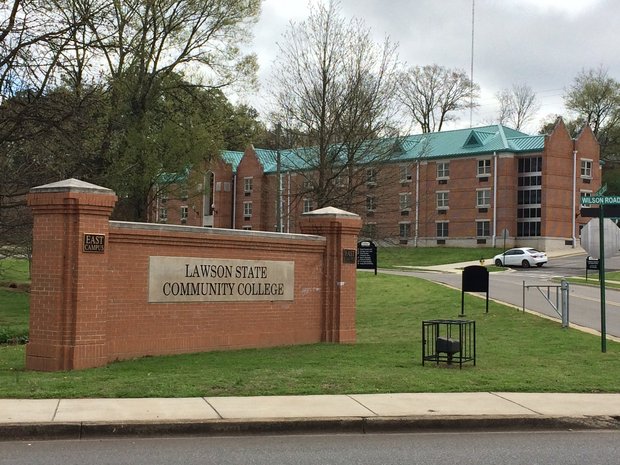
I’ll only be there two days and one night, and it should be a packed two days as well. I’m gonna try to get up and head out of Gretna by 7 a.m. at the latest so I can pull into Birmingham by noon or so for a players luncheon at Lawson State Community College, then head to the brand new Negro Southern League Museum for a tour, followed by a cookout/reception.

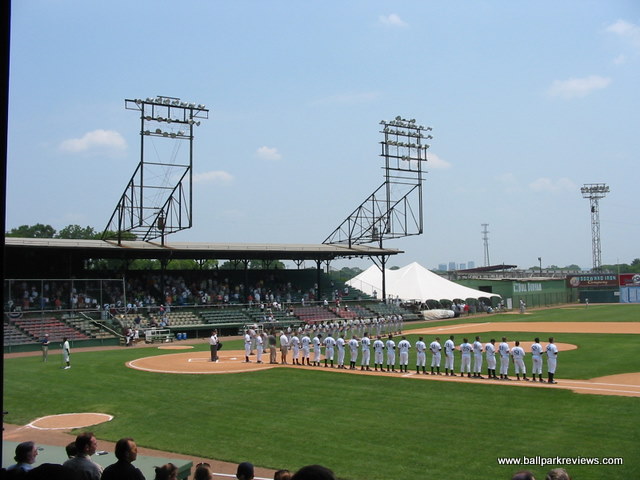
Wednesday brings a breakfast, then the 21st annual Rickwood Classic at famous Rickwood Field, the country’s oldest baseball park still in use. That’ll be a contest between the Double-A Birmingham Barons and Chattanooga Lookouts at noon. Then I make the drive back to NOLA to process all the cool stuff I’ll undoubtedly see.

Sunday I chatted on the phone with Cam, who just graduated from TU and headed home to the Boston area before flying back to Birmingham today. He’s been attending the reunion since 2010. In fact, he’s instrumental in putting it together and inviting many of the players.

rwood5

Rickwood Field

Cam is an understated, subdued guy, which belies his passion for working to bring these great men and women into the limelight and to bring them together to enjoy each other’s company and reminisce about their glory days at the reunion.

“You’re just surrounded by these men,” Cam said. “They’re just chatting and talking. It’s a good time to see everyone. They’re all happy to be getting recognition. A lot of them didn’t play together, but they share the same experiences.”

The reunion is the brainchild of Dr. Layton Revel, the founder of the Center for Negro League Baseball Research and the moving force behind the new museum in downtown Birmingham.

Dr. Revel said this’ll be the eighth reunion in seven years, and between 75 and 100 are scheduled to attend this year’s siesta, with about 30-40 are arriving from out of town. Fifteen to 20 played in the top Negro Leagues, while several dozen mainly starred in the Birmingham industrial leagues, which thrived for decades in the Alabama city and also figure prominently in the new museum, which just opened to the public. (I’ll try to write more about the museum over the next couple days.)

“It’s the largest reunion of Negro League players in the country,” Dr. Revel said. “It will be a big deal.”

A key facet of the reunion is that every event is open to the public and free of charge. The headquarters for events is the La Quinta hotel in the Homewood neighborhood.

“[The players] really appreciate the fact that folks are remembering what they did so long after they played,” Dr. Revel said. “It’s meaningful for them that people are thinking about then 50 or 60 years later, that people feel what they did was important.”

Dr. Revel said, however, that every edition of the reunion mixes in a bit of sadness — every year, he said, more and more of these great men and women pass away as the years inevitable pass. But those who remain and who attend the reunions each year take the gatherings as a chance to fondly remember their comrades and heroes.

“It’s a very bittersweet time,” he said.

This year’s reunion will also include the attendance of several longtime, much honored researchers, such as Larry Lester and Wayne Stivers.

All in all, I’ll be very grateful and thrilled to join all of these great people at what promises to be a great time.

I had a chance to check out a few of the gentlemen who’ll be making the trip to the La Quinta and Birmingham. One is Gerald Sazon of New Orleans, whom I visited a few weeks ago in a beautiful new retirement home that was built after the neighborhood emerged from Katrina.

We chatted for a while, and Gerald, a pitcher, regaled me with several tales from his days on the local and national blackball scenes. The best one was his story about how the great and mysterious Robert “Black Diamond” Pipkin put the jump on his screwball — he’d poke holes in the ball with a safety pin.

Another baseball veteran who’ll be attending the reunion is James Cobbin of Youngstown, Ohio. Cobbin graduated from North High School in 1952 and attended Allen University in South Carolina as well as Central State University in Wilberforce, Ohio.

In early 1955, Cobbin signed with the Cincinnati Reds as a 19-year-old infielder/outfielder. The Cleveland Call and Post stated that Cobbin “will be given a thorough tryout at both [positions] when he reports for practice at the rookie training camp in Douglas, Ga.” [It should be noted that at the time, Cincy’s name was technically the Redlegs; the team changed their moniker to distance themselves from communism during the Red Scare.]

17343943-mmmain

However, by that point, Cobbin’s career was already in ascendency — a few months earlier, he had been signed by the Orioles, as the Call and Post reported in October 1954:

“Cobbin … has been playing baseball since he was as tall as a baseball bat. His regular position is shortstop. In high school Cobbin played on the regular team, and during the summer he played with the class ‘B’ and class ‘AA’ teams. …

“At Barberton, Ohio, where the [Orioles] scout gave him his three day workout, he was told that he had been under close watch ever since 1950, and since signing a contract, he is to report to the Baltimore Orioles’ training camp at the beginning of spring training.”

It also struck me that several of the players scheduled to be at the reunion played for the Indianapolis Clowns during the mid- to late-1950s. At that point the organized Negro Leagues were in their death throes, with integration quickly sapping both the quality of and need for African-American blackball.

newscan0050

James Cobbin (from Center for Negro League Baseball Research)

It wasn’t just players, though, who signed up with the Clowns. Another old timer scheduled to be in Birmingham this weekend is Yori Cortez, a contortionist brought on board in summer 1959 to dazzle crowds with his antics: Reported the Atlanta Daily World:

“Yogi Cortez, a supernatural spinner of Hindu acrobatics, is the newest star addition to the Indianapolis Clowns 30th Anniversary game and funshow.

“Yogi flew north two weeks ago to join the champions of Negro ball and diamond wizardry … Far from a rookie in the art of twisting himself into a pretzel of figure eight, he was nevertheless a ‘rookie sensation’ in his initial start in a Clowns uniform.

“The 4,000 fans present gave him a rousing ovation. One critic observed: ‘Yogi is unbelievable. The feats he performs are fantastic. His joining the Clowns means one more stellar performance.’

“Yogi was a victim of dread polio when he was young. Determined to overcome the handicap, he did special exercises that not only restored life to his affected limbs, but also gave unbelievable control.

“Yogi can wrap his legs around his neck like a pretzel and scratch his ears; he can lock them completely around his body and walk, or run, on his hands; and last but far from least he can double up like a frog and bound across the field with fantastic speed.

“Yogi has always wanted to join the Clowns, and General Manager Syd Pollack, who has never sacrificed money to bring baseball fans the very best in entertainment, was quick to recognize Cortez’s ability. He signed him at once to a ‘very satisfactory’ four-figure contract.”

OK, I’m off to throw some clothes in a bag and head to Alabama. Like I said, I’m very much looking forward to this — it promises to be a very fun time, and I’ll post as much as I can over the next few days!
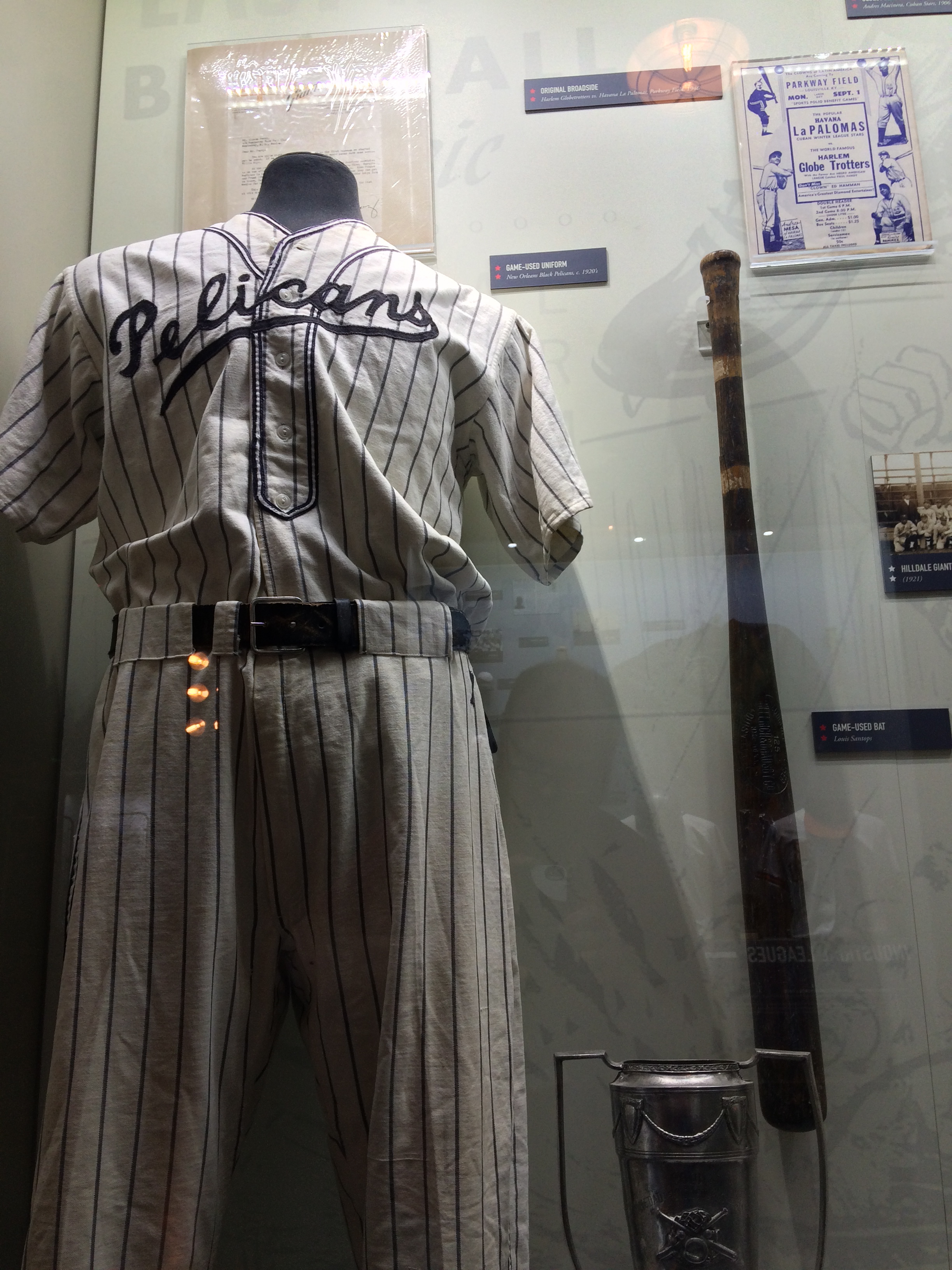


Busy month in Central PA

eagles rap dixon

Harrisburg icon Rap Dixon

Here’s another great guest column for y’all, written by my SABR friend and Malloy conference roomie Ted Knorr, who’s been the leading light in remembering and honoring the memory of the great Negro Leagues players and teams from central and southern Pennsylvania. In this column, Ted details his busy slate of activities happening this month through June …

It is with great pride and appreciation that I discuss these three events — the Atlantic League‘s York Revolution’s 10th annual Negro League Night, the AL’s Lancaster Barnstormers’ 12th annual Negro League Night, and the Eastern League‘s Harrisburg Senators’ 20th annual Negro League Commemorative Night. I, with the immediate and continued cooperation of the three local minor league baseball clubs, founded all three tributes and have attended almost all of them — now 42 — annual events over the years.

York’s celebration on May 14 consisted of just me with a small exhibit, but it was fun and memorable for me and the dozens of fans who stopped by to talk and discuss segregated baseball from a long time ago.

369_Santander_Stadium_from_behind_home_plate

PeoplesBank Stadium in York

The night was made more special since the previous month at PeoplesBank Stadium, I had participated in a panel discussion on Jackie Robinson leading up to local PBS channel WITF’s showing of Ken Burns’ two-night, four-hour documentary about Robinson, so a lot of the York fans knew me, which made conversations more meaningful.

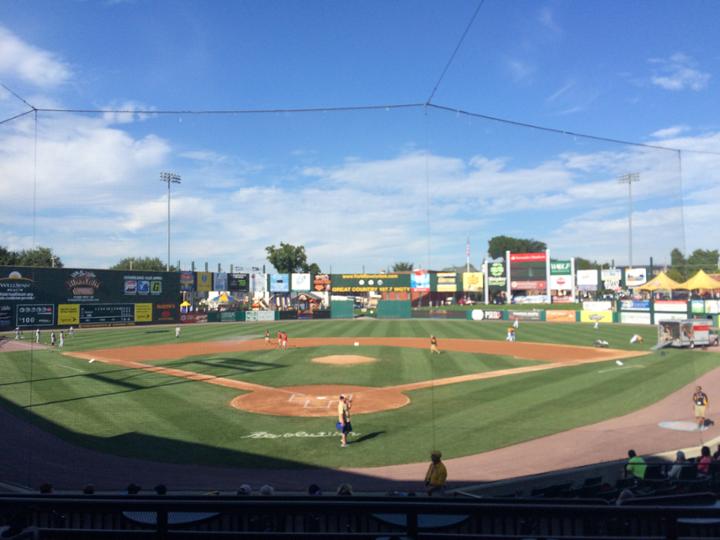
Harrisburg’s event came next, just this Tuesday at FNB Field, and it is always a very nice event. This year was no different, as we honored the great Harrisburg Giants outfield of 1924-27 — left fielder Fats Jenkins, center fielder Oscar Charleston and right fielder Rap Dixon.

I strongly believe that lineup is the greatest outfield of the Negro Leagues, as it is the only one of more than a one-year tenure that included three of the top dozen Negro League outfielders as designated by the National Baseball Hall of Fame.

jenkinsFats

Fats Jenkins

Further, with a four-year tenure, it is one of only about a dozen and a half professional outfields of any league or era that remained intact for four or more years. Among the others are the 1920s Murderer’s Row Yankees, the all-.400 outfield of the 1890s Phillies, and the two longest tenured — Speaker, Hooper and Lewis of the 1912-17 Red Sox and the 1957-62 Pirates slate of Clemente, Skinner and Virdon.

In addition to the honorees in Harrisburg this week, the surviving members of the 1954 Harrisburg Giants of the Eastern Negro League were introduced. This is a special and very unique team in that it was fully integrated with about a third of the team being white.

Lancaster’s Negro Leagues Night will complete the celebration trifecta on May 31 at 7 p.m. at  Clipper Magazine Stadium with the team’s annual Triple Play. This year’s festivities promise big fun, the least of which will be my Negro League exhibit.

The big event at Lancaster this year will be the Barney Ewell bobblehead giveaway. Ewell was a contemporary of — and just as fast as — Hall of Fame speedster Cool Papa Bell and the Negro League stars of the ’30s and ’40s. Ewell was a world-class sprinter who missed the 1940 and ’44 Olympics (as did Jackie Robinson) due to World War II. His bobblehead is going to be a great and valuable collector’s item, and it will be worth the trip if you are in the Mid-Atlantic area. Gates open at 6 p.m.

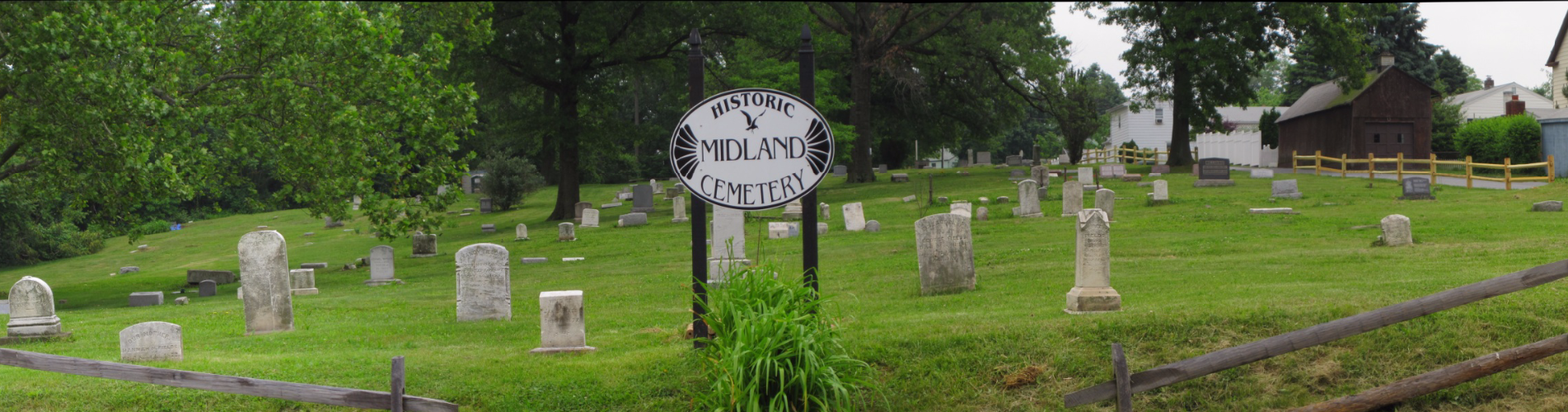
And speaking of the Mid-Atlantic region, if you want a nice Memorial Day Weekend event, consider historic Midland Cemetery on May 28 at 12:30 pm., when I will offer a few comments on African-American players who made the ultimate sacrifice in service to the country.

banner-1

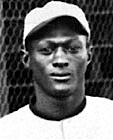
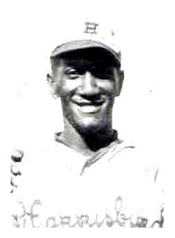
Midland Cemetery near Steelton is a small, beautiful African-American cemetery and is the final resting place for USCT troops, Buffalo Soldiers, veterans of WWI and II, and one Negro League baseball player — Steelton native Herbert “Rap” Dixon. After the ceremony I will have a small exhibit at Rap’s gravesite. It truly is a great spot, and anyone who travels will be rewarded with a brief tour of Rap’s home, school and ballpark, all of which are located near his final resting place. (If you might make it out, let me know at papabell@aol.com.

The last event on the schedule is a humbling one. On Saturday, June 11, I will be accepting a plaque and making brief comments on behalf of the great Oscar Charleston on the occasion of his induction into the Capital Area Chapter of the Pennsylvania Sports Hall of Fame. Charlie lived in Harrisburg in the Twenties and early Thirties and played for the Harrisburg Giants for four spectacular prime years.

Andy Cooper Texas update

Head & shoulders posed portrait of newly inducted Hall of Famer, Andy Cooper.  Cooper is often ranked 2nd only to Bill Foster among the Negro Leagues left-handed pitchers.  Image is cropped from 1920 Detroit Stars 2442.89 PD

I’ve got a very encouraging update on the status of legendary pitcher Andy Cooper, a Waco native and National Baseball Hall of Famer. In this post, I reported how Cooper is inexplicably not a member of the Texas Sports Hall of Fame, and in this post I delved into Cooper’s roots in Waco and the Lone Star State.

I just learned that Cooper is, in fact, on the ballot for the TSHOF’s 2016 induction class! Here’s an email I received Friday from TSHOF Vice President Jay Black:
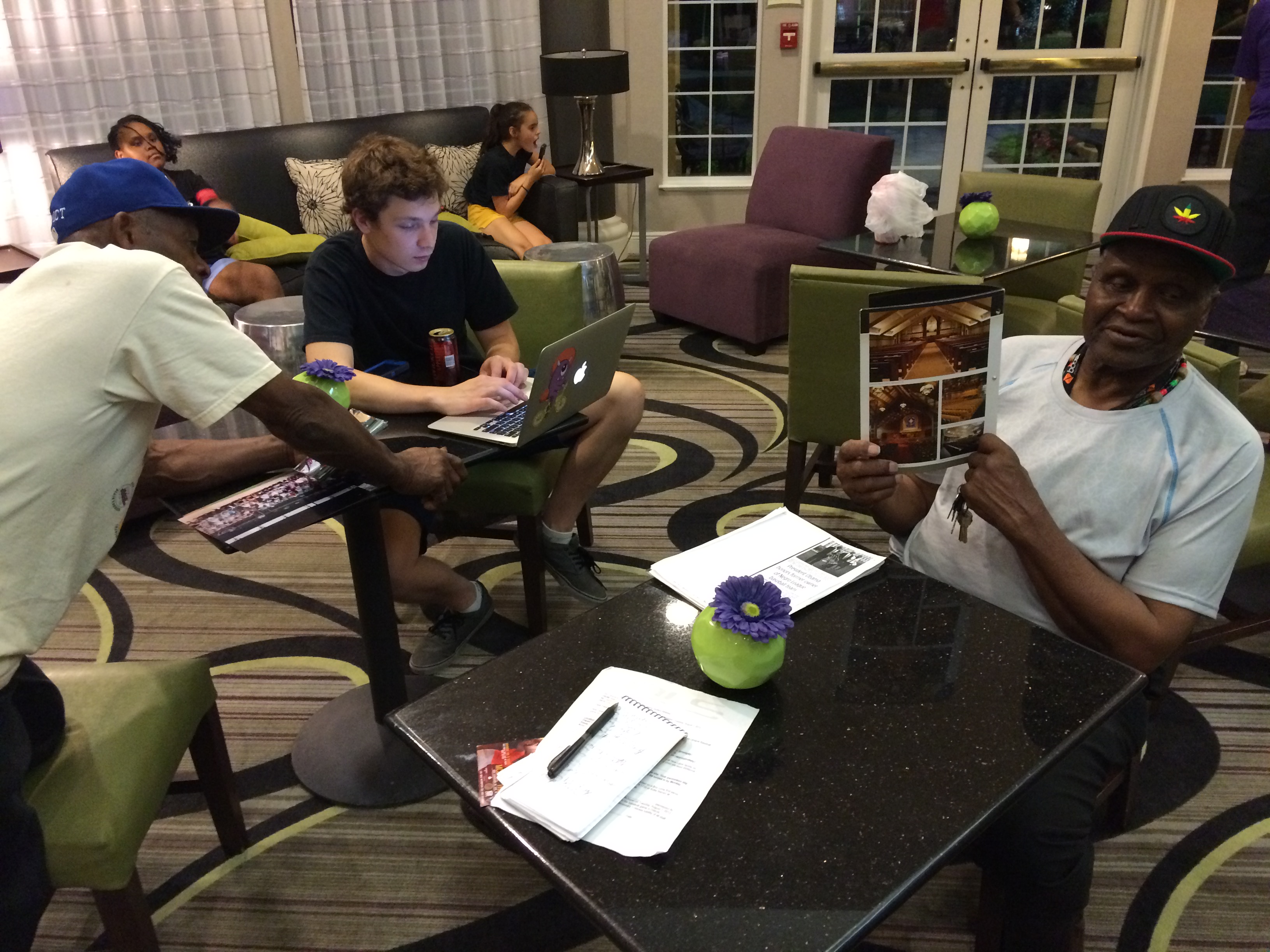
“Mr. Cooper’s bio will be in the nomination notebook at our annual selection committee meeting on June 7. While I am hoping that Mr. Cooper is voted into the TSHOF, I also realize that it is a difficult process because we have so many nominees and only 12 slots on the veterans ballot. I think that Andy Cooper is well qualified and deserving to be included in the TSHOF.”

Right now I’m working on an article about Cooper’s Texas roots and the 75th anniversary of his death, I really can’t proactively urge or encourage people to support Cooper’s possible TSHOF induction, but if you do want to do so, here is a link to the TSHOF’s selection committee Web page, with emails for many of the committee members.

I’ll try to stay current on the process — June 7 is just more than two weeks away, so we’ll see what happens …

Cannonball Jackman, Burlin White and Sanford, Maine

White,Burlin

Burlin White

I’ve been hip deep in article deadlines during the last couple weeks, and I have a couple more next week, so lengthy blog posts might be slim for a while. I do, however, have a few “newsy” items I’d like to post next week, so we’ll see.

In the meantime, here’s another article from my archives that I wrote for a magazine but never got published. (The magazine staff seems a bit harried and boggled, so it’s OK) This piece is about two famous Negro Leaguers and a mid-sized mill town in 1940s Sanford, Maine. I’ve always been interested in blackball in Maine because my grandparents live in Millinocket, which is a town in central Maine that’s surrounded by thick forests.

So here’s an entry along those lines. Keep in mind that this piece was originally written for publication in a general-interest magazine, so it’s a little different style-wise than my usual posts. Anyway, enjoy!
By the time pitcher Will Jackman and catcher Burlin White arrived in Sanford, Maine, in June 1949, they were each roughly 54 years old, although Jackman’s exact age was always notoriously hard to pin down.

When they pulled into the thriving York County industrial hamlet, Jackman and White were members of the Boston Colored Giants Negro Leagues baseball team, a barnstorming, African-American aggregation that had been existence 1923 and had, over the years, gone by different names as varied as the Quaker Giants, the Philadelphia Giants and the Boston Royal Giants. (The two Pennsylvania-themed appellations were the result of a common trend among segregation era black sports teams to name themselves based on marketing purposes.)

During its roughly quarter-year existence, the squad’s roster had seen dozens of players come and go, most of them journeymen who were hustling for a paycheck and who worked “straight” jobs on off-days and during the offseason.

Many of them had careers that amounted to, essentially, minor footnotes in the annals of baseball history, not only because they weren’t star players, but also because life in the Negro Leagues was often dealt in the shadows of the game and of society, thanks to the prejudice and lack of fairness inherent in a segregated country.

But Jackman and White … They were different. They weren’t just scribbles on a lineup card.
They were stars. Individually and as a duo, they were talented enough, persistent enough and self-marketed enough that their names were known all over New England. They were traveling attractions whose renown was cloaked in mythos and filled with tales — often tall ones — of the exploits and accomplishments achieved across more than three decades in the game.

“From the early 1920’s through 1950, Jackman and White formed the most popular battery in New England,” says Negro Leagues scholar and author Bijan C. Bayne, who has extensively studied blackball in both Boston and the rest of New England. He added:

“The friends faced industrial and factory teams, Boston Park League opponents, former and contemporary major league pitchers, college athletes, and town clubs from Maine to Massachusetts, and at least one summer in Nova Scotia. They were well regarded, celebrated by media, and long recalled by spectators.”

The Texas-born Jackman was an especially hot commodity, a fireball-flinging pitcher with prodigious talent who never quite made a big splash on the national Negro Leagues scene but who instead chose to be a big fish in a smaller pond, the toast of New England, a hardball nomad whose legend has, in historical perspective, made him one of the most fascinating but most elusive figures in the chronicles of the American pastime.

Wrote the late Dick Thompson, an award-winning historian and member of the Society for American Baseball Research:

“Today … Jackman has been relegated to the historical ‘who?’ pile. Despite being named in the famous 1952 Pittsburgh Courier player-voted poll of the all-time great Negro League players and years of touting by the mainstream white press of New England, where he barnstormed for nearly 30 years, Jackman’s name remains unrecognizable to all but the most astute black baseball historians.”

But, at the time and throughout his career, Jackman was in such rabid demand in his adopted stomping grounds of New England that he often played for otherwise all-white teams, and many contemporaries and historians consider him comparable to the legendary Satchel Paige, the first Negro Leaguer to be inducted into the National Baseball Hall of Fame in Cooperstown, N.Y.

Jackman’s influence has been so momentous that The Cannonball Foundation, a Millis, Mass.-based non-profit organization created in 2009 to create and enhance educational opportunities and character development for young athletes and citizens across New England.

The values of the Cannonball Foundation are based on Jackman’s own personality and dedication to his sport and his character and are codified in what the foundation calls “the Cannonball Way,” according to its Web site:

“A person modeling the Cannonball Way is a person who is: hungry to learn, sprinting through the finish line, completing every duty, task or job started. The Cannonball Way recognizes compassion as a sign of strength and courage, not weakness. As a community, those living according to the Cannonball Way will create a culture of collaboration. Together, we achieve more.”

Of course, Burlin White was no slouch, either. Born in Richmond, Ind., in 1895, White first donned the catcher’s mask professionally in the 1910s for the famed southern Indiana spa team, the West Baden Sprudels, before moving onto the big time with the Atlantic City Bacharach Giants.

By 1918, he was eliciting kudos from the national black press, garnering, for example, a large photo and caption in a May 4, 1918, issue of the Chicago Defender. After a stint in the Army during World War I, White returned to the diamond, where he quickly regained his popularity as a backstop and as a manager, helming the Steel City Giants of Buffalo, N.Y., and even the Boston Royal/Colored Giants by the 1930s.

will-cannonball-jackman

Cannonball Jackman

Thus, given the fame of both Jackman and White, it’s no surprise that towns across the Maine landscape queued up to solicit the duo’s fame and star power.

And in June 1949, one of those lucky burgs was Sanford, where residents were eager to assembled their best hardball talent to furnish the famous Boston Colored Giants — with the illustrious combo of Jackman and White — with solid opposition.

By the time their fame train pulled into Sanford, the Colored Giants’ 1949 season had been underway for about a month, beginning with contests in and around the Boston area and proceeding through Brooklyn for a clash with fellow Negro Leaguers the Bushwicks, then to Portsmouth, N.H., where they topped the Maher Club 5-4.

So the Colored Giants arrived in Sanford loose, trimmed and ready for the local boys. The encounter was slated for June 5 at Sanford’s Goodall Stadium, which had been built in 1915 by Goodall Industries, a local textile manufacturer. The stadium had become a popular fixture on the Sanford recreational scene, even, at various times, featuring the play of future Hall of Famer George Sisler and local lad Freddy Parent, an early shortstop of the Boston Red Sox.

2029_Historic_Park_Goodall_Park

Perhaps the most historically significant moment came in 1919, when none other than Babe Ruth himself clouted a three-run homer for the Red Sox in an exhibition game against the Sanford Professionals. The contest would prove the Babe’s very last in a Red Sox uniform.

The stadium was one of the highest-profile of the largess of the beloved Goodall family, which established roots in Sanford shortly after the Civil War, when Yorkshire, England-born Thomas Goodall made his home there.

The importance of the Goodall family and their extensive business, especially their textile mills, to Sanford was massive. Wrote author Edwin Emery in his book, “The History of Sanford, Maine, 1991-1900”:

“To give, in detail, the history of the Goodall enterprises, would require a volume of well filled pages, devoted to absolutely nothing else. … It is acknowledged that Goodall enterprise has been chiefly instrumental in transforming the Sanford of yesterday, into the thriving industrial centre of today.”

Emery added that Goodall was responsible for “[t]he conversion of this rustic, farming village, composed of thirty dwellings and a corner grocery, into the important commercial and manufacturing Sanford of the present …”

Today, Goodall Park has been rebuilt after a devastating arson fire in 1997 and currently plays host to the Sanford Mainers of the New England Collegiate Baseball League. And the Mainers are just the latest chapter in Sanford’s love affair with the national pastime.

“The people of Sanford have long demonstrated an affinity for baseball,” penned Pete Warner of the Bangor Daily News in June 2014. He added:

“Fans here enthusiastically embraced the game at Goodall Park (built in 1915) even before future Hall of Fame slugger Babe Ruth graced the grounds during a barnstorming visit in October 1919.”

Local reporter David Dutch of the Sanford News summed it up simply upon the stadium’s centennial celebration last spring: “Baseball, Goodall Park and Sanford are synonymous.”

The June 3, 1949, game between the Colored Giants and the Goodall-Sanford team was apparently big news, even attracting the attention of the Portland Press Herald newspaper, which hailed the arrival of the Negro Leagues barnstormers to the town of about 15,000.

“The famed battery of Will Jackman and Burleigh [sic] White will be the visitors,” stated the paper, “in this first appearance of the season at the local park.”

The Goodalls, meanwhile, had over the previous few years since the end of World War II mustered what Dutch tabbed “one of the best teams in New England” in what became known as “the golden age” of Maine semipro baseball.

Assembling the Sanford-Goodall aggregation for their showdown against the Colored Giants was business manager Johnny Burke, who quickly recruited sturdy-armed outfielder and pitcher Armand “Aime” Porrell to assume mound duties for the game. Porrell was fresh off a stint with in the Coastal Plain League, a minor-league circuit in the Carolinas.

Receiving Porrell’s tosses would be Henry L’Heureux, a Boston-area native and brother of the more well known Walt L’Heureux, who competed for the Canada-based Granby Red Sox of the Border League.

The Negro League wanderers wouldn’t just have Jackman and White, either; also studding their lineup was first baseman Fran “Lefty” Matthews, a native of Cambridge, Mass., who was arguably the Giants’ most well known athlete on the national Negro Leagues scene. The  34-year-old Matthews had spent portions of five seasons playing for the Negro National League’s Newark Eagles, one of the most storied franchises in blackball.

Alas, the oft-cruel fates of semipro baseball ended up playing a joke on the poor Sanford populace — a rain started to pelt Goodall Park, and the contest was called after seven innings, curtailing what could have been a barnburner.

SONY DSC

The Boston bunch won the precipitation-halted contest, 6-3, with Matthews driving in a run for the Giants and Porrell helping his own cause by thumping a double. The Giants tallied three runs in the top of the second, then added one each in the third, fifth and sixth frames.

The Goodalls pushed across two scores of their own in the thrd and one in the sixth, but it wasn’t enough.

Both teams carried on for the season, with the Colored Giants hitting the road yet again, heading to, among other locales, Portsmouth; Nashua, N.H.; and Newport, R.I. Baseball, and life, would inevitably churn forward.

In hindsight, though, what can be made of the Boston Colored Giants’ venture to Sanford, Maine, in summer 1949? As a specific event, perhaps not much. The game was cut short because of rain, the superstars didn’t play, and the local boys lost.

But on a larger scale, the African-American team’s appearance in the textile-mill town was a perfect example, almost a microcosm, of semipro baseball life at the time, for both squads, and for Sanford.

During the mid-20th century, following the conclusion of the Second World War, the American pastime thrived, not only in big cities like Boston, but in just about every town across New England.

It was in these settings, most of all, where ethnicities and cultures mixed, where segregation was torn down, at least for an hour or two. Black met white, barriers came down, and baseball players — and the towns in which they lived — learned how much they had in common.

A trip to India

pic2747

Bill Yancey

Every once in a while, I really miss my old graduate school bud, Arindam Mukherjee. He and I helped each other through some tough times at Indiana U., and we forged a bond for life during that stint.

Now is one of the times when I miss Ari dearly. But, alas, he’s in his native India — Delhi, to be precise, although he was born and raised in Ranchi — and I haven’t seen him since his academic green card expired a bunch of years ago.

However, I’m still in touch with him via the WhatsApp iPhone thingee, and we trade messages regularly. I try to keep up with what’s going on in his favorite sport, cricket, but it’s a challenge. There’s just not much coverage in the American press, despite numerous attempts by entrepreneurs and other visionaries — both in the U.S. and abroad — to create a foothold for cricket here Stateside. Check out this Web site and this one for the latest cricket dope.

(I should note India advanced to the semifinals of the most recent Cricket World Cup, held last year and hosted by the Aussies and New Zealand. However, Australia won the tourney, its fourth title in the last five Cups. Damn you, Paul Hogan!)

As all baseball historians know, cricket was one of the forerunners — along with rounders and a couple other English pastimes — of the American pastime. Ari and I tried to teach each other the basics of our respective passions, with mixed results. I will say that, to me, cricket bears a striking resemblance to the game of base ball — two words back then — in its nascence, i.e. 1840s to early 18880s, if my memory serves. Today that era in the national pastime is celebrated as “vintage base ball.”

I also have another connection to India: A few years ago I wrote a few articles about Dinesh Patel and Rinku Singh, two Indian javelin throwers who in 2008 won a novel reality show contest in India called “The Million Dollar Arm.” Patel and Singh possessed the fastest fireballs out of the many contestants and, as a result, earned them each minor-league contracts with the MLB’s Pirates. (They picked up a whopping $8,000 signing bonus and earned a visit to the White House.)

Their tale is best known through the 2014 Disney movie adaptation starring Jon Hamm. But I got in n the ground floor and was able, before the story became a global sensation, to interview not only the two neophyte pitchers but also the creator of The Million Dollar Arm, Los Angeles sports agent J.B. Bernstein.

Bernstein, along with a few visionary representatives from MLB, have been trying to plant some baseball seeds in the world’s second-largest country and largest democracy. One of the ultimate goals is to build on the success of TMDA and mine India’s vast population for hidden hardball talent.

Unfortunately, Patel was cut by the Bucs in 2010 and returned to India in 2011 to finish school, practice the javelin (his natural sport) and teach baseball to throngs of youngsters, many of whom took part in an ensuing edition of TMDA.

Singh, meanwhile, has struggled with major injuries, causing, for example, to miss the entire 2014 and 2015 campaigns, a painful stint that included Tommy John surgery. But he’s persevering, playing in numerous low-level pro circuits, including the Dominican Summer League and the Australian Baseball League. (Yep, baseball is actually pretty big among the Aussies.) Despite the travails, the Pirates still see promise in the India native — they resigned him late last year.

However, all of these recent exploratory efforts aren’t the first time American baseball figures have attempted to expose India and other parts of South Asia to our Grand Old Game. (Well, it’s old for us, but compared to cricket, baseball is maybe a teenager.)

And it was the Negro Leagues community that did it!

In spring 1945, in the waning days of World War II, ace New York Amsterdam News columnist and editor Dan Burley worked with the military’s USO program to assemble a sterling group of African-American athletes to tour India, Burma and other nations in the Asian theater of the war. (At that time, the modern nation of Myanmar was called Burma.)

(As another side note, in 1943, Burley reported that the National Baseball Congress — the amateur administrative body in American — had launched a 12-team in India. Burley stated that, “In far-off India, which had never been host to a game of baseball until the past few years, America’s national pastime has gone Asiatic.”)

Kenny-Washington-1

Kenny Washington

The troupe — dubbed the “Parade of Stars” — included former boxing champ Henry Armstrong, UCLA football star Kenny Washington, former pro football player Joe Lillard, and dual-sport luminary Bill Yancey, who starred in the Negro Leagues for the Black Yankees, Philadelphia Giants and other squads, and shined for the trailblazing African-American hoops squad Harlem Rens.

HT_RENS_TEAM_150218_DG

Harlem Rens

Yancey was particularly suited for the ambitious endeavor — a few years earlier he served as a Negro Leagues baseball scout in Panama and other Central American and Caribbean countries, a job that was lauded by his comrades back home.

The India ensemble made several stops at various U.S. military camps through South Asia and, according to media reports, performed for and entertained tens of thousands of appreciative, fervent G.I.s.

Their routine included demonstrations of their respective sports by each athlete, Q&A (or “bull”) sessions with the audience, and some boogie-woogie piano playing by Burley himself to close out the extravaganza. In addition, Armstrong flashed his old skills by winning an open boxing tournament in Calcutta.

In a dispatch from that city, an Amsterdam News correspondent (likely Burley himself) lauded the all-black USO crew for enlivening throngs of soldiers of all colors:

“Everywhere the unit has appeared it has received a rousing reception and wild acclaim from soldiers and sailors in the audiences. So popular has the unit become since its departure from the United States last April 6 that commanding officers of various installations in the China-India-Burma theatre are competing with one another for the services of the athletes. …

“Altogether the show is considered absolutely tops in the opinion of [the] Special Service Officer whose job it is to route such revues through the various military bases and and installations. In fact, it is being said that for morale value the sports show has done more in its short time in India than any other factor to give the hard working men a lift in spirits. The show has been playing to both white audiences and has stimulated the fighting men [to] no end with its color, drama and sports aspects.”

Several correspondents from the Stateside African-American media apparently tagged along with the entertainers as they visited bases along the Stilwell Road between India and Burma, and, one reporter dispatched, “traveled over 780 miles of the famous Ledo Road; played Calcutta, Karachi and other large cities and centers in India; and is due to return to the States sometime [in July].” (The Stilwell Road was forged as a key Allied supply line in Burma during WWII and was later redubbed the Ledo Road.)

African-americans-wwii-009

Ledo Road

In all, the troupe spent about three months traversing South and Southeast Asia, covering an estimated 50,000 miles and performing for 100,000 troops of all colors. One photo of the trip published in the May 19, 1945, Cleveland Call and Post pictures Armstrong shadow boxing with two Indian boys in Calcutta. The paper wrote: “Henry Armstrong, apparently convinced a left hook is the same in anybody’s language, tackles the job of teaching a pair of Indian youngsters the art of boxing.”

Also raving about the crew was National Newspaper Publishers Association correspondent Frank Bolden, who in June issued a report from somewhere “along the Stillwell [sic] Road, India-Burma”:

“It is a show that really gives the GIs entertainment and a terrific morale boost because it is right down the alley for any red-blooded American youth. …

“All in all it is a good show, and it has and is still being received widely by both colored and white military personnel alike. And the men are deeply appreciative for the efforts spent in their behalf by some of our top notch performers. …”

However, Bolden then lamented, “It’s too bad that more of our great and well-known stars are unable to make a trip this way to entertain some mighty swell ‘fifty-dollar-a-month-room-and-board guys,’ who here on the ‘Victory Road to Tokyo’ are making it possible for those back home to carry on for years to come. Over here the show goes on too, ya know.”

The impact of the USO show and its success was deeply felt by the athletes themselves, it seems. An article in the July 21, 1945, issue of the Afro-American — under a headline reading, “Bill Yancey, Back from Tour, Says CBI Yanks Dream of Home” — related Yancey’s impressions.

“… Billy found the morale fairly high,” the dispatch read, “but only one thing on the minds of the soldiers, including a great many officers, and that was ‘getting back home.’”

box_a_armstrong_195

Henry Armstrong

Of course, the troupe’s venture must be placed into historical context. On May 8, 1945, about a month into the USO tour, Germany surrendered to the Allies in Europe, marking what was to become V-E Day.

Meanwhile, thousands of U.S. soldiers, sailors and Marines were pushing through the South Pacific, advancing from island to island amidst brutal, bloody, costly fighting with the Japanese. As the American troops advanced, the U.S. launched the nuclear age when it dropped atomic bombs in the Japanese cities of Hiroshima (Aug. 6) and Nagasaki (Aug. 9).

The two bombings, combined with the victories of U.S. troops, convinced Japan to surrender to the Allies on Aug. 15, creating, forever onward, V-J Day.

My World War II history is a bit rusty, but the China theatre was crucial one in which the Chinese, especially in Manchuria, beat back the advancing, genocidal Japanese from the West.

Now, I don’t think the theatres in India and Burma were as important as the Allied military actions elsewhere. However, their placement in South Asia coincided with historic, history-defining events in Asia.

MTIwNjA4NjMzODE4MjIwMDQ0

The Mahatma

By 1945, the groundswell of the India independence movement — led, of course, by Mahatma Gandhi — had reached the tipping point as it used non-violent resistance to force colonial Britain to abandon its stranglehold on India, its people and its resources.

On July 18, 1947, that peaceful yet overwhelming effort achieved its goal, as the British conceded the country’s independence. Also, a day earlier, the new, majority-Muslim nation of Pakistan split off from the Hindu and Sikh-led India, setting in motion events that resonate to this day.

Undoubtedly the African-American U.S. troops watched the Indian independence movement closely, realizing what a nation of oppressed people could do to obtain freedom. As we know, the success and spirit of the Indians’ peaceful resistance greatly inspired Dr. Martin Luther King and the rest of the ensuing American civil-rights movement.

The African-American sports media definitely took a cue from the development of India’s method of peaceful resistance as a way to oust the colonial British. In 1953 — eight years after the black USO tour and six after Indian independence — Atlanta Daily World sports columnist Marion Jackson asserted those lessons could be applied to fight the insistence of certain Cotton States League teams’ on not taking the field against other squads with African Americans:

“Just how this will affect Cotton States League attendance is not known at the moment but a silent protest is in the offing which is similar to the non-violence campaign initiated by minorities in India, Kenya and other South African countries under the heel of sadistical [sic] rulers.”

Shifting back to 1945 and the push to win the war, the still-segregated black American troops joined thousands of other U.S. soldiers in sweeping east across Europe until they captured the German capitol of Berlin and toppled the Nazi regime. That victory coincided, of course, with the push in the Pacific.

Just like the black troops in India saw, first-hand, the effects of racial tyranny, the African-American soldiers looked at what the Allies were fighting — totalitarian government bolstered by ethnic cleansing and genocide toward Jews and other European minorities — and saw distinct parallels to their own second-class status back home in the U.S. The paradox of segregated black troops fighting for freedom overseas deeply affected the “Negro” soldiers and sailors after they returned home after the war.

Indeed, even before they shipped home, African-American soldiers in South Asia already felt the ongoing sting of segregation, even in uniform. In July 1945, Baltimore Afro-American war correspondent Max Johnson issued a missive from Cairo about what the USO troop witnessed during their travels:

“For example, Armstrong, who has been fighting fourteen years and once held three championships simultaneously, said he was impressed by the marked loneliness of those soldiers in the areas where his troupe [v]isited.

“‘After seeing how they must exist,’ Armstrong said, ‘I think that any man who spends six months out there should be brought back to the States and released immediately from the Army.’”

But Armstrong’s consternation was dwarfed by the indignation displayed by other members of the USO corps. Johnson continued writing:

“Lillard, who is on leave from his job as a New York policeman, shared the same views and was disgusted with the numerous indignities the colored troops faced there as a result of the racial discriminatory practices of white Americans commanding.

“Also outraged on this score was Burley, who contended that conditions were the worst — almost beyond belief.”

The American troops did, eventually, return home. Although they were greeted by a just-booming economy and the benefits of the landmark GI Bill, they also arrived Stateside just as the Iron Curtain fell, triggering a Cold War between East and West, USSR and US, democracy and communism.

However, the civil rights movement did ramp up, and once it started snowballing, there was no stopping the long overdue and much savored victories of equality and integration.

Occasionally the subject of mining the population of South Asia for baseball talent popped up; in October 1945, writer Fay Young in a column opined about the lack of fresh blood about the African-American community and pondered whether a ringer or two could be plucked from that region.

Such efforts continue to this day, but, alas, have met with only limited success, although American baseball execs remain optimistic. But just as importantly, that all-black USO tour of South Asia in 1945 might very well have played a role, albeit probably minor, in bringing true democracy to our country.

Final note: N’Awlins, my current abode is host of the incredible National World War II Museum. If you happen to be in the NOLA area, definitely check it out!