This is a follow-up from this post a week and a half ago, about a webinar concerning the National Baseball Hall of Fame’s inability and/or unwillingness to allow induction for more Black players from the segregated era.
As has been promoted on this blog and elsewhere, the 42 for 21 Committee has advocated for several years for justice and fairness in the Hall’s selection process, which continues to fail miserably at giving more-than-deserving Negro Leaguers a truly open and equal chance to pass through the hallowed halls of Cooperstown.
Last Wednesday, the committee issued another pointed proposal for the HOF selection process, challenging the Hall to revise its Eras committee system. Here’s the text of that press release:
FOR IMMEDIATE RELEASE
4 March 2026
The 42 for 21 Committee believes that the Hall of Fame needs to restructure its Era Committees to give Negro Leaguers and pre-league Black Baseball players a fair chance at election in the future. If not, their inaction will likely result in excluding additional Segregated Era Black players from being added to the Hall.
The Hall should restructure the Classic Era Committee into two committees, one for players and one for managers, umpires, and executives. There is no reason to lump these together in the Classic Era, especially when the Contemporary Era has separate committees for players and non-players.
The Hall should also limit the time span of the Classic Era to 1950 and earlier, which would be consistent with previous Era Committees. The span of the defunct Early Baseball Era Committee from 2016 to 2021 ended in 1949; prior to that, the 2010 to 2015 Pre-Integration Era Committee span ended in 1946.
Careful analysis of upcoming Classic Era Committee elections shows that Negro Leaguers and their predecessors are probably going to be shut out under current rules. The huge span of the Classic Era – 1871 to 1979 – and the large number of remaining attractive candidates from 1951 to 1979 mean that there will probably be few slots for Negro Leaguers on the ballots.
That century-long time frame, plus the small number of ballot slots (10), plus rules that restrict committee members to casting only three votes, will create a logjam that will place future Negro League candidates at a severe disadvantage. That logjam will take many years to undo because the Classic Era Committee is scheduled to meet only once every three years.
Exacerbating the problem is that Negro League players and managers/executives/umpires will be competing with each other on the same ballot, and that previous Era Committees have included few members with expertise on the Negro Leagues.
The combination of the above factors will result in a perfect storm that will sink the chances of deserving Black candidates for the Hall of Fame from the Segregated Era. The Hall of Fame has not been afraid to change the rules for the election of veterans in the past, and it should not be afraid to do so now.
************
The 42 For 21 Committee was founded in 2021 to advocate for “Justice for Negro Leaguers” – especially for more robust consideration of many meritorious but overlooked Black Baseball candidates for the Hall of Fame. The significance of the number 42 is self-evident.
More information at www.42for21.org, including the results of our poll of Negro Leagues experts who nominated 43 well-qualified candidates for renewed consideration by the Hall of Fame’s Classic Era Committee.
So far, there’s been little if any reaction from the Hall of Fame or anyone else with the power or influence to sway the Hall in a positive, just way. But that’s not really surprising. The Hall’s stubborn recalcitrance is nothing new. Neither is our dismay and frustration.
Anyone interested in offering support or assistance, or if they just have any questions, can call Sean Gibson at (412) 589-1906 or Gary Gillette at (313) 614-9006, or email 42for21@gmail.com.
I’ll just close with some comments from Dan D’Addona, the sports editor at the Holland (Mich.) Sentinel, and a devoted and talented Negro Leagues researcher, advocate and fan:
The Problem with the Era Committee
By Dan D’Addona
While the Era Committees have righted several wrongs and elected some deserving players, the move to having one era span from baseball’s origins to 1979 changed everything and is particularly detrimental to Negro Leagues candidates.
There are just eight finalists on every ballot with voters being allowed to vote for up to three. Numbers-wise it is tough for anyone to get in, but this ballot is spans so long it is worse for Negro Leagues players.
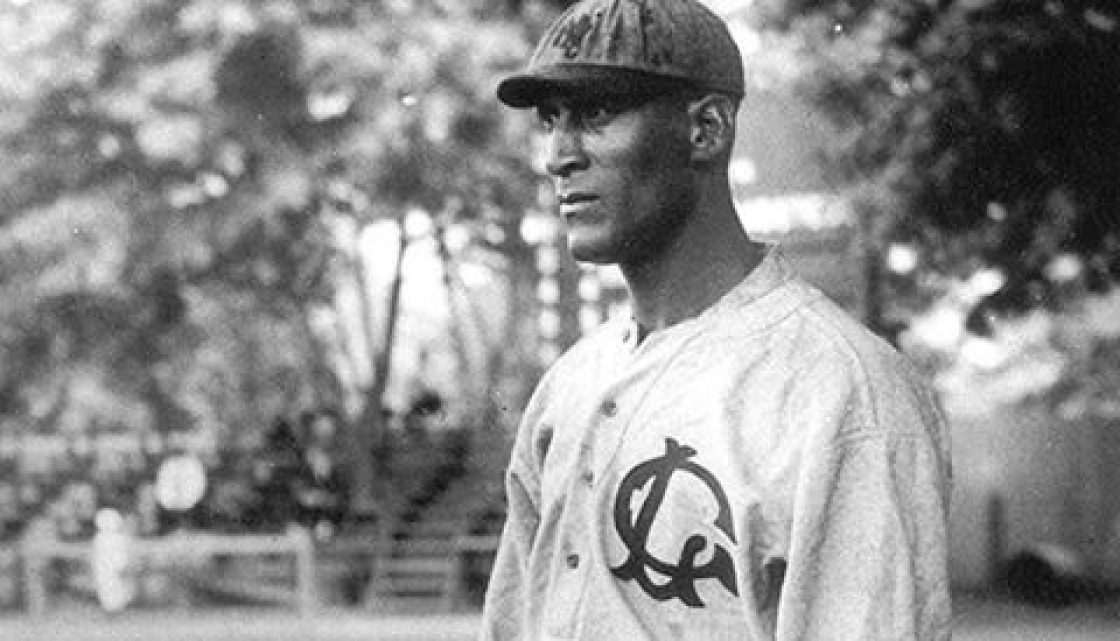
Popular deserving major leaguers like Luis Tiant, Ken Boyer, Thurman Munson and Tommy John have been finalists. If they are again, then you add the top pre-integration candidate Bill Dahlen and that leaves three spots at the most for Negro Leaguers. Cannonball Dick Redding, John Donaldson, Vic Harris and Grant “Home Run” Johnson have been finalists in this format.
So how are voters, who are Hall of Fame players as well as executives and a couple of media members and two Negro Leagues historians, supposed to come to a consensus on there?
Luis Tiant or Cannonball Dick Redding? Bill Dahlen or Home Run Johnson? Tommy John or John Donaldson?
It will be tough for any candidate to get 75 percent, but it will require the Negro Leagues historians to educate the committee and likely narrow in on one candidate at a time.That would lead to, say, the election of Luis Tiant and Cannonball Dick Redding.
But even that would take the right education, the right people and the right timing on the Era Committee.
 The Negro Leagues Up Close